

As a supplier of plastic toy molds, I understand the significance of maintaining these molds to ensure their longevity, efficiency, and the quality of the toys they produce. In this blog post, I'll share some essential tips on how to maintain a plastic toy mold effectively.

Regular Cleaning
Cleaning is the most fundamental step in mold maintenance. After each production run, the mold should be thoroughly cleaned to remove any plastic residues, lubricants, or other contaminants. Use a soft brush and a suitable cleaning agent recommended by the mold manufacturer. Avoid using abrasive materials that could scratch the mold surface, as these scratches can lead to surface defects on the toys and may also affect the mold's release properties.
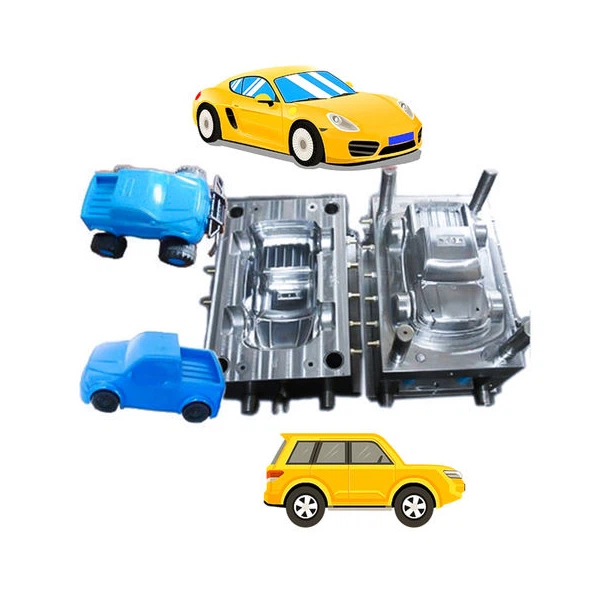
For example, if you have a Plastic Toy Injection Mould, which is commonly used in mass - producing plastic toys, a build - up of plastic runner systems and overspray can occur. Regularly cleaning the cavities, cores, and ejection mechanisms of this type of mold can prevent blockages and ensure smooth operation.
Inspection and Quality Checks
Frequent inspections are crucial to detect any early signs of wear and tear, damage, or corrosion. Inspect the mold for any cracks, chips, or deformation, especially in high - stress areas such as the parting line, gate areas, and ejector pins. Check the alignment of the mold halves to ensure proper fit and prevent flash on the toys.
Use precision measuring tools like calipers and micrometers to measure critical dimensions of the mold components. Any deviation from the specified dimensions can lead to non - conforming toy products. For instance, in a Baby Car Mold, accurate dimensions are essential for the proper assembly and functionality of the toy car parts.
Lubrication
Proper lubrication of the moving parts in the mold is necessary to reduce friction and wear. Apply a high - quality lubricant to the ejector pins, slides, and other moving components according to the manufacturer's recommendations. Over - lubrication can also be a problem, as it can attract dust and debris, leading to blockages and reduced performance.
When lubricating, make sure to clean the parts first to remove any old lubricant or contaminants. Use a brush or a spray gun for an even application of the lubricant. This is particularly important for molds with complex moving mechanisms, such as those used in Child Safety Seat Mold, where smooth operation of the mold is essential for the production of high - quality safety seats.
Storage
When the mold is not in use, proper storage is vital to protect it from damage and corrosion. Store the mold in a clean, dry, and temperature - controlled environment. Cover the mold with a protective sheet to prevent dust and debris from accumulating on its surface.
It's also a good practice to support the mold properly to prevent warping. If possible, store the mold in a vertical position to avoid any stress on the mold components. Label the mold clearly to facilitate easy identification and retrieval.
Corrosion Prevention
Plastic toy molds are often made of metal, which is susceptible to corrosion. To prevent corrosion, apply a rust - preventive coating to the mold surface after cleaning. If the mold will be stored for an extended period, use a desiccant in the storage area to maintain low humidity levels.
In a humid manufacturing environment, consider using a dehumidifier in the mold storage area. Regularly check the mold for any signs of corrosion, such as rust spots, and take immediate action to clean and treat the affected areas.
Repairs and Refurbishment
At some point, a mold may require repairs or refurbishment. When a minor defect is detected, such as a small crack or a worn - out ejector pin, it's important to address it promptly to prevent further damage. For more significant repairs, it may be necessary to involve a professional mold repair service.
Keep a log of all the maintenance activities, including repairs and replacements. This log can help in tracking the mold's performance over time, predicting future maintenance needs, and ensuring that all maintenance tasks are carried out in a timely manner.
Operator Training
Proper training of the operators using the plastic toy molds is essential for effective maintenance. Train the operators on how to handle the mold correctly, clean it properly, and perform basic inspections. Make sure they understand the importance of following the recommended maintenance procedures and can recognize early signs of mold problems.
Operators should also be trained on how to use the injection molding machine in conjunction with the mold to avoid over - stressing the mold components. This includes setting the correct injection pressure, temperature, and cycle time.
Cost - Benefit Analysis of Maintenance
Maintaining a plastic toy mold may involve some costs, including the cost of cleaning agents, lubricants, and the time spent on maintenance tasks. However, when compared to the cost of replacing a damaged or worn - out mold, the investment in maintenance is relatively small.
A well - maintained mold can produce high - quality toys consistently, reducing the number of defective products and minimizing production downtime due to mold failures. This can lead to significant cost savings in the long run, as well as improved customer satisfaction.
In conclusion, maintaining a plastic toy mold is a comprehensive process that involves regular cleaning, inspection, lubrication, storage, corrosion prevention, repairs, and operator training. By following these best practices, you can extend the lifespan of your molds, improve the quality of your plastic toys, and reduce production costs.
If you are in the market for high - quality plastic toy molds or need more information on mold maintenance, we are here to assist you. Our team of experts can provide you with the right solutions and guidance for your specific needs. Contact us to discuss your requirements and start a successful partnership in the plastic toy manufacturing industry.
References
- "Mold Maintenance Best Practices in the Plastics Industry", Industry Insights Journal
- "Guide to Plastic Toy Mold Design and Maintenance", Manufacturing Technology Press