

Enhancing the durability of a cutlery mould is of paramount importance for cutlery mould suppliers like us. A durable mould not only ensures consistent production quality but also reduces production costs in the long run. In this blog, I will share some effective strategies to enhance the durability of cutlery moulds based on our experience in the industry.
Material Selection
The choice of material for the cutlery mould is the first and most crucial step in enhancing its durability. High - quality tool steels are commonly used for cutlery moulds due to their excellent mechanical properties. For instance, AISI D2 steel is a popular choice. It has high wear resistance, good hardness, and can withstand high - temperature and high - pressure conditions during the injection - molding process. This steel can resist abrasion caused by the flow of molten plastic and the ejection of the cutlery products.
Another option is H13 steel, which is known for its good thermal fatigue resistance. In the cutlery production process, the mould experiences repeated heating and cooling cycles. H13 steel can handle these thermal stresses well, reducing the risk of cracking and deformation. When selecting the material, we also need to consider the specific requirements of the cutlery products, such as the type of plastic used, the complexity of the cutlery design, and the expected production volume.
Heat Treatment
Proper heat treatment is essential to optimize the mechanical properties of the mould material. Heat treatment processes like quenching and tempering can significantly improve the hardness, toughness, and wear resistance of the mould. Quenching involves heating the steel to a high temperature and then rapidly cooling it. This process forms a hard martensitic structure in the steel. However, quenched steel is often brittle, so tempering is required. Tempering is a process of reheating the quenched steel to a lower temperature and then cooling it slowly. This reduces the internal stress in the steel and improves its toughness.
For example, after quenching an H13 steel cutlery mould, tempering it at around 550 - 650°C can achieve a good balance between hardness and toughness. The heat treatment process should be carefully controlled, including the heating rate, holding time, and cooling rate. Any deviation from the optimal parameters can lead to poor mechanical properties and reduced durability of the mould.
Surface Treatment
Surface treatment can further enhance the durability of the cutlery mould. One common surface treatment method is nitriding. Nitriding is a process that introduces nitrogen into the surface layer of the steel. This forms a hard nitride layer on the surface of the mould, which has excellent wear resistance, corrosion resistance, and low friction coefficient. The nitride layer can protect the mould from the abrasive action of the plastic melt and the chemical attack of additives in the plastic.
Another surface treatment option is chrome plating. Chrome - plated surfaces are smooth and hard, which can reduce the adhesion of plastic to the mould surface. This makes it easier to eject the cutlery products and reduces the risk of surface damage during the ejection process. Additionally, chrome plating can also improve the corrosion resistance of the mould, especially when using plastics that may release corrosive substances during the molding process.
Design Optimization
The design of the cutlery mould also plays a significant role in its durability. A well - designed mould should have a uniform wall thickness. Uneven wall thickness can cause uneven cooling and heating during the molding process, leading to internal stress concentration and potential cracking. For complex cutlery designs, proper gating and venting systems should be designed.
The gating system controls the flow of molten plastic into the mould cavity. A well - designed gating system ensures a smooth and even flow of plastic, reducing the impact on the mould walls and minimizing the risk of wear. The venting system is used to release the air trapped in the mould cavity during the injection process. Insufficient venting can cause air pockets in the cutlery products and also increase the pressure on the mould, which may damage the mould over time.
Maintenance and Care
Regular maintenance and care are necessary to extend the service life of the cutlery mould. After each production cycle, the mould should be cleaned thoroughly to remove any plastic residues, lubricants, and debris. Using appropriate cleaning agents and tools is important to avoid scratching the mould surface.
Lubrication is also crucial for the smooth operation of the mould. Applying a suitable lubricant to the moving parts of the mould, such as the ejector pins and slides, can reduce friction and wear. Regular inspection of the mould is necessary to detect any signs of damage, such as cracks, wear, or deformation. Early detection of problems allows for timely repair or replacement of damaged parts, preventing further deterioration of the mould.
Quality Control in Production
During the production process, strict quality control measures should be implemented. Monitoring the injection molding parameters, such as temperature, pressure, and injection speed, is essential. Deviations from the optimal parameters can cause excessive stress on the mould and affect its durability. For example, if the injection pressure is too high, it can cause the mould to deform or crack.
In addition, using high - quality raw materials for the cutlery products is also important. Low - quality plastics may contain impurities or have inconsistent properties, which can increase the wear and tear on the mould. By ensuring the quality of the raw materials and the stability of the production process, we can reduce the negative impact on the mould and enhance its durability.

Conclusion
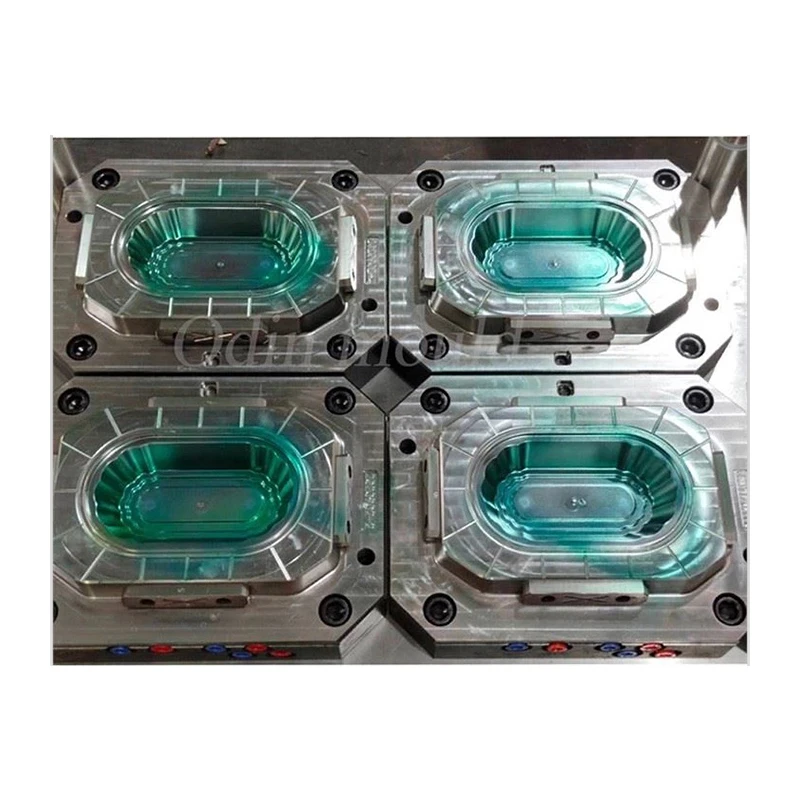
Enhancing the durability of a cutlery mould requires a comprehensive approach, including proper material selection, heat treatment, surface treatment, design optimization, maintenance, and quality control. As a cutlery mould supplier, we are committed to providing high - quality moulds with long - term durability. By implementing these strategies, we can ensure that our Disposable Tableware Mould, Cutlery Set Mould, and Plastic Thin Wall Food Container Packaging Box Mould meet the highest standards of quality and performance.
If you are interested in our cutlery moulds or have any questions about enhancing the durability of cutlery moulds, please feel free to contact us for further discussion and procurement negotiation. We look forward to working with you to achieve your production goals.
References
- Kalpakjian, S., & Schmid, S. R. (2009). Manufacturing Engineering and Technology. Pearson Prentice Hall.
- Dieter, G. E., & Schmidt, L. C. (2008). Mechanical Metallurgy. McGraw - Hill.
- Throne, J. L. (1996). Injection Molding Handbook. Marcel Dekker.