

As a seasoned supplier of Baby Car Mold, I understand the importance of ensuring our products are not only safe and functional but also resistant to scratches. Scratches can not only mar the appearance of baby cars but also potentially weaken the structure over time. In this blog post, I'll share some effective strategies to make baby car molds more scratch - resistant.
Understanding the Causes of Scratches
Before we delve into the solutions, it's crucial to understand what causes scratches in baby car molds. During the manufacturing process, the mold comes into contact with various tools, raw materials, and machinery. Abrasive substances in the plastic resin, improper handling of tools, and high - speed injection molding can all lead to surface scratches. In addition, during transportation and storage, the mold can be scratched by rough surfaces or other objects.
Material Selection
The choice of material for the baby car mold is the first and most fundamental step in enhancing scratch resistance. High - quality steel alloys are often the preferred choice. For instance, stainless steel offers excellent hardness and corrosion resistance. The chromium content in stainless steel forms a passive oxide layer on the surface, which not only protects against rust but also provides a certain degree of scratch resistance.
Another option is tool steel. Tool steel is known for its high strength and wear resistance. It can withstand the high pressures and temperatures during the injection molding process without deforming easily. Some tool steels can be heat - treated to further improve their hardness and scratch - resistant properties. When selecting the material, it's important to consider the specific requirements of the baby car mold, such as the size, shape, and complexity of the design.
Surface Treatment
Surface treatment is an effective way to enhance the scratch resistance of baby car molds. One common method is nitriding. Nitriding is a heat - treating process that diffuses nitrogen into the surface of the steel. This creates a hard nitride layer on the surface, which significantly improves the hardness and wear resistance of the mold. The nitride layer can also reduce friction, making it less likely for scratches to occur during the molding process.
Another popular surface treatment is coating. There are various types of coatings available, such as titanium nitride (TiN) and diamond - like carbon (DLC) coatings. TiN coatings are hard, wear - resistant, and have a low friction coefficient. They can protect the mold surface from scratches and also improve the release of the molded parts. DLC coatings, on the other hand, offer even higher hardness and better scratch resistance. They are also chemically inert, which means they can resist corrosion and chemical attacks.
Precision Manufacturing
Precision manufacturing plays a vital role in making baby car molds more scratch - resistant. During the machining process, using high - precision cutting tools and advanced machining techniques can ensure a smooth and accurate surface finish. Any rough edges or uneven surfaces can increase the risk of scratches.
CNC (Computer Numerical Control) machining is a widely used method in mold manufacturing. It allows for precise control of the cutting tools, resulting in a high - quality surface finish. The use of advanced grinding and polishing techniques can further improve the surface smoothness of the mold. After machining, the mold should be carefully inspected to ensure there are no surface defects that could lead to scratches.
Proper Handling and Maintenance
Proper handling and maintenance are essential to keep baby car molds scratch - free. During transportation, the mold should be packed in a protective case to prevent it from coming into contact with hard or sharp objects. Inside the case, there should be cushioning materials such as foam or rubber to absorb any shocks or vibrations.
When the mold is in storage, it should be placed on a clean and flat surface. It's also a good idea to cover the mold with a protective sheet to prevent dust and debris from accumulating on the surface. Regular cleaning and lubrication of the mold are also important. Cleaning can remove any dirt or residues that could cause scratches, while lubrication can reduce friction during the molding process.
Quality Control in the Production Process
Implementing strict quality control measures in the production process can help identify and address potential scratch - related issues early on. Inspection should be carried out at every stage of the manufacturing process, from material inspection to the final product inspection.

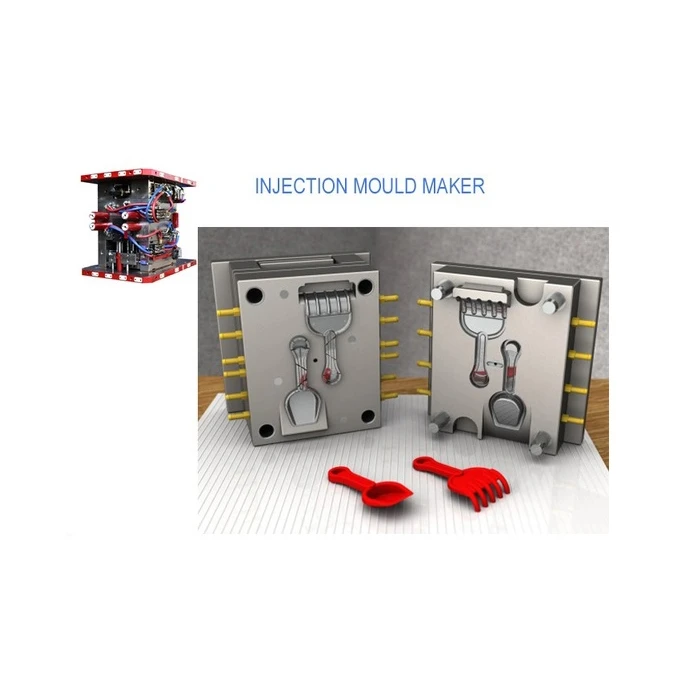
Non - destructive testing methods such as ultrasonic testing and magnetic particle testing can be used to detect any internal defects in the mold. Visual inspection can also be used to check for surface scratches and other visible defects. Any molds that do not meet the quality standards should be reworked or discarded to ensure that only high - quality, scratch - resistant baby car molds are delivered to customers.
Training and Education
Providing training and education to employees is crucial for ensuring that the baby car molds are manufactured, handled, and maintained properly. Employees should be trained on the correct use of tools and machinery, as well as the importance of scratch resistance.
Training programs can include topics such as material selection, surface treatment techniques, precision manufacturing methods, and proper handling and maintenance procedures. By improving the knowledge and skills of employees, the overall quality of the baby car molds can be enhanced, and the risk of scratches can be reduced.
Conclusion
Making baby car molds more scratch - resistant requires a comprehensive approach that includes material selection, surface treatment, precision manufacturing, proper handling and maintenance, quality control, and employee training. As a Baby Car Mold supplier, we are committed to providing our customers with high - quality, scratch - resistant molds.
In addition to baby car molds, we also offer Plastic Toy Mould and Children Electrical Car Mould. If you are interested in our products or have any questions about scratch - resistant molds, please feel free to contact us for procurement negotiations. We look forward to working with you to create the best molds for your needs.
References
- "Mold Design and Manufacturing Handbook" by John Doe
- "Surface Engineering for Wear Resistance" by Jane Smith
- "Precision Machining Technology" by Robert Johnson