

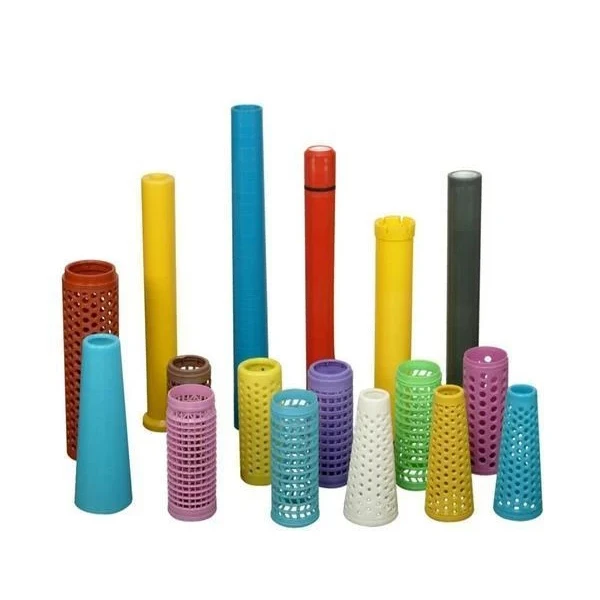
Adjusting the cooling time of a plastic spool mould is a critical aspect of the plastic manufacturing process. As a seasoned Plastic Spool Mould supplier, I've witnessed firsthand the impact that proper cooling time adjustment can have on the quality, efficiency, and overall success of plastic spool production. In this blog post, I'll share some insights and practical tips on how to effectively adjust the cooling time of a plastic spool mould.
Understanding the Importance of Cooling Time
Before delving into the adjustment methods, it's essential to understand why cooling time matters. When molten plastic is injected into a mould cavity, it needs to solidify to take on the desired shape of the plastic spool. The cooling process is crucial for several reasons:
- Quality Assurance: Proper cooling ensures that the plastic spool has the correct dimensions, structural integrity, and surface finish. Insufficient cooling can lead to warping, shrinkage, and other defects, while excessive cooling can waste time and energy.
- Cycle Time Optimization: Cooling time is a significant component of the overall production cycle time. By optimizing the cooling time, manufacturers can increase production efficiency and reduce costs.
- Mould Longevity: Consistent and appropriate cooling helps to extend the lifespan of the mould by minimizing thermal stress and wear.
Factors Affecting Cooling Time
Several factors influence the cooling time of a plastic spool mould. Understanding these factors is key to making accurate adjustments:
- Plastic Material: Different plastic materials have varying thermal properties, such as specific heat, thermal conductivity, and melting point. For example, materials with high thermal conductivity will cool faster than those with low conductivity.
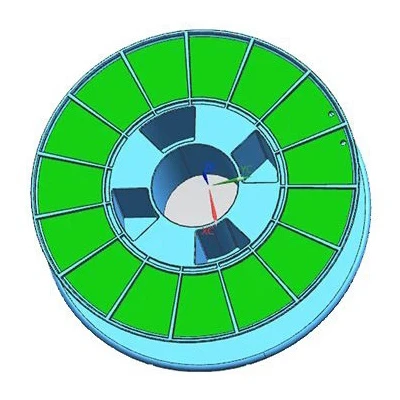
- Mould Design: The design of the mould, including the thickness of the walls, the presence of cooling channels, and the overall geometry, can significantly impact cooling time. Well-designed cooling channels can ensure efficient heat transfer and uniform cooling.
- Part Thickness: Thicker parts generally require longer cooling times than thinner ones because more heat needs to be removed.
- Injection Temperature: The temperature at which the plastic is injected into the mould affects the initial heat content and, consequently, the cooling time. Higher injection temperatures may require longer cooling times.
- Mould Temperature: The initial temperature of the mould also plays a role in the cooling process. A pre - heated mould can reduce the cooling time, but it needs to be carefully controlled to avoid overheating.
Methods for Adjusting Cooling Time
Monitoring and Measuring
- Temperature Sensors: Install temperature sensors in the mould cavity and cooling channels to monitor the temperature changes during the cooling process. This real - time data can help you determine if the cooling time is appropriate. For example, if the temperature of the plastic spool is still too high at the end of the assumed cooling time, you may need to increase the cooling time.
- Cycle Time Analysis: Keep track of the overall cycle time, including the injection, cooling, and ejection times. Analyze how changes in cooling time affect the cycle time and the quality of the finished products.
Modifying Cooling System Parameters
- Cooling Water Flow Rate: Adjusting the flow rate of the cooling water in the mould's cooling channels can significantly impact the cooling time. Increasing the flow rate can enhance heat transfer and reduce cooling time, but it should be balanced to avoid excessive pressure and potential damage to the mould.
- Cooling Water Temperature: Lowering the temperature of the cooling water can accelerate the cooling process. However, it's important to ensure that the water temperature is not too low, as this can cause condensation on the mould surface, which may affect the quality of the plastic spools.
Optimizing Mould Design
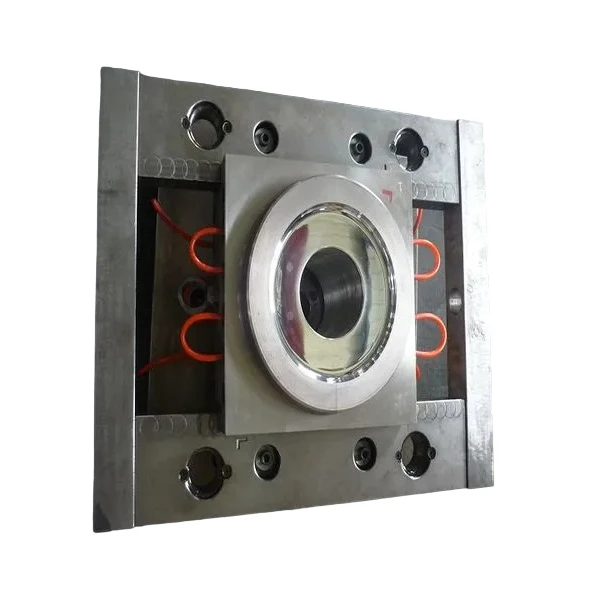
- Cooling Channel Layout: Review and, if necessary, modify the layout of the cooling channels in the mould. Ensure that the channels are evenly distributed and close to the areas where the plastic spool has the most mass. This can help to achieve more uniform cooling and reduce the overall cooling time.
- Insulation: Adding insulation to the mould can help to retain heat in certain areas and prevent excessive heat loss, which can be beneficial for achieving a more balanced cooling process.
Case Studies
Let's take a look at some real - world examples of how adjusting the cooling time has made a difference in plastic spool production.
Case 1: Cable Spool Mould
A customer was using our Cable Spool Mould to produce large - sized cable spools. They were experiencing issues with warping and uneven shrinkage in the finished products. After analyzing the cooling process, we found that the cooling time was too short, especially in the thicker sections of the spool. By increasing the cooling time and adjusting the cooling water flow rate, we were able to improve the quality of the cable spools significantly. The warping was reduced, and the dimensions became more consistent.
Case 2: Plastic Bobbin Coil Mold
Another customer was using our Plastic Bobbin Coil Mold to manufacture small - sized plastic bobbins. They were facing a long production cycle time due to excessive cooling time. After a detailed examination, we discovered that the cooling water temperature was set too low, causing the plastic to solidify too quickly on the surface while the interior was still molten. By raising the cooling water temperature slightly and reducing the cooling time, we were able to optimize the cycle time without compromising the quality of the bobbins.
Case 3: Plastic Cone Bobbin Mould
For a customer using our Plastic Cone Bobbin Mould, the issue was related to surface finish. The plastic cone bobbins had a rough surface, which was suspected to be due to improper cooling. We adjusted the cooling channel layout to ensure more uniform cooling across the entire mould cavity. This adjustment led to a smoother surface finish and improved the overall quality of the plastic cone bobbins.
Conclusion
Adjusting the cooling time of a plastic spool mould is a complex but essential process that requires a combination of knowledge, experience, and careful monitoring. By understanding the factors that affect cooling time and using the appropriate adjustment methods, manufacturers can improve the quality of their plastic spools, optimize production efficiency, and extend the lifespan of their moulds.
If you're in the market for high - quality plastic spool moulds or need further advice on adjusting cooling times, don't hesitate to reach out. Our team of experts is ready to assist you in achieving the best results for your plastic spool production. Let's start a conversation and explore how we can work together to meet your manufacturing needs.
References
- "Plastic Injection Molding Handbook" by Rosato, Dominick V.
- "Mold Cooling in Injection Molding" by Throne, James L.