

Do I need special skills to use a toy car mold? This is a question that many toy manufacturers, hobbyists, and enthusiasts often ask. As a supplier of toy car molds, I'm here to shed some light on this topic and provide you with a comprehensive understanding of what it takes to use these molds effectively.
Understanding the Basics of Toy Car Molds
Before delving into the skills required, it's essential to understand what a toy car mold is. A toy car mold is a precision tool used to create toy cars through various manufacturing processes, such as injection molding, blow molding, or compression molding. These molds are typically made from high - quality materials like steel or aluminum and are designed to produce consistent, high - quality toy car parts.
There are different types of toy car molds available in the market. For instance, we offer Children Electrical Car Mould, which is specifically designed for creating electric toy cars for children. These molds require a certain level of precision to ensure that the electrical components fit perfectly. Another type is the Baby Car Mold, which is used to make smaller, more delicate toy cars suitable for infants and toddlers. And then there's the Plastic Toy Mould, which is a more general - purpose mold for creating various plastic toy cars.
Skills Required for Using Toy Car Molds
Technical Knowledge
- Molding Process Understanding
- Different molding processes have different requirements. For injection molding, you need to understand how to set the right temperature, pressure, and injection speed. If the temperature is too high, the plastic may degrade, and if it's too low, the plastic may not flow properly into the mold cavities. For blow molding, knowledge of air pressure and cooling times is crucial.
- A basic understanding of thermoplastics and their properties is also necessary. Different plastics have different melting points, flow rates, and shrinkage rates. For example, polypropylene has a relatively low melting point and good flowability, while ABS plastic is more rigid and has better impact resistance.
- Mold Maintenance
- Toy car molds are expensive tools, and proper maintenance is essential to ensure their longevity. You need to know how to clean the mold regularly to prevent the buildup of plastic residue, which can affect the quality of the toy car parts.
- Inspecting the mold for wear and tear is also important. You should be able to identify signs of damage, such as cracks, scratches, or worn - out cavities, and know when and how to repair or replace the mold components.
Manual Skills
- Operation of Molding Machines
- Operating a molding machine requires a certain level of manual dexterity. You need to be able to load the mold onto the machine correctly, set up the machine according to the specifications of the molding process, and monitor the machine during operation.
- For example, when using an injection molding machine, you need to be able to handle the plastic pellets, load them into the hopper, and adjust the machine's settings for each production run.
- Part Removal and Finishing
- After the molding process is complete, you need to be able to remove the toy car parts from the mold carefully. This requires some skill to avoid damaging the parts or the mold.
- Additionally, the parts may require some finishing touches, such as trimming excess plastic, sanding rough edges, or painting. Manual skills are necessary to perform these tasks to achieve a high - quality final product.
Problem - Solving Skills
- Troubleshooting Molding Issues
- During the molding process, various issues may arise, such as air bubbles in the plastic, warping of the parts, or incomplete filling of the mold cavities. You need to be able to analyze the problem, identify the root cause, and come up with a solution.
- For example, if there are air bubbles in the plastic, it could be due to improper venting in the mold or incorrect injection speed. You need to know how to adjust the relevant parameters to solve the problem.
- Adapting to Different Design Requirements
- Toy car designs can vary widely, and you may need to adapt the molding process to different design requirements. This could involve modifying the mold, adjusting the molding parameters, or using different materials. Problem - solving skills are essential to ensure that the final product meets the desired design specifications.
No Special Skills? No Problem!
While having the above - mentioned skills can be beneficial, it doesn't mean that you need to be an expert to use a toy car mold. Many of our customers are small - scale manufacturers or hobbyists who may not have extensive technical knowledge or experience.
We provide comprehensive support to our customers. Our team of experts can offer training on how to use the molds and operate the molding machines. We can also provide technical advice on molding processes, material selection, and mold maintenance.

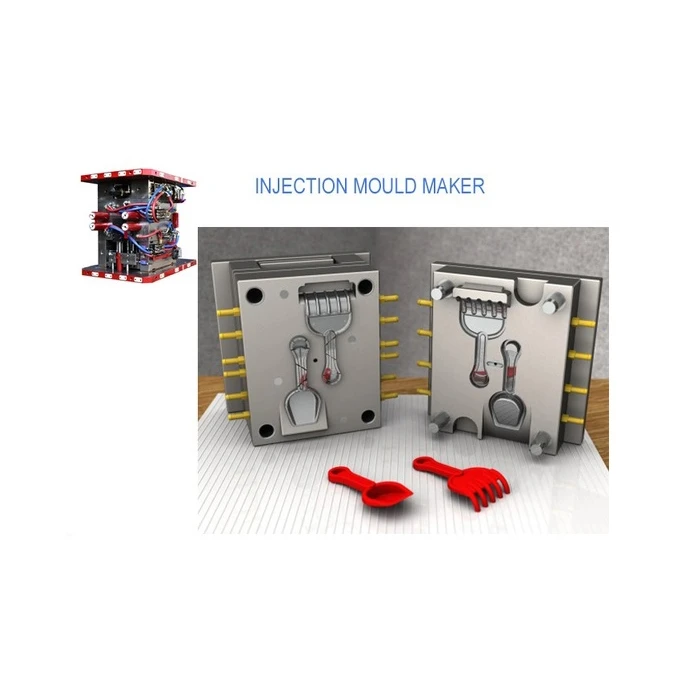
In addition, our toy car molds are designed with user - friendliness in mind. They are easy to install, operate, and maintain. We use advanced manufacturing techniques to ensure that the molds are of high quality and precision, which reduces the likelihood of problems during the molding process.
Contact Us for Your Toy Car Mold Needs
Whether you're a large - scale toy manufacturer looking to expand your production line or a hobbyist interested in creating your own toy cars, we have the right toy car mold for you. Our wide range of molds, including Children Electrical Car Mould, Baby Car Mold, and Plastic Toy Mould, can meet various design and production requirements.
If you're interested in learning more about our toy car molds or have any questions about using them, please don't hesitate to contact us. We're here to assist you in every step of the process, from mold selection to production. Let's work together to create high - quality toy cars that will bring joy to children around the world.
References
- "Injection Molding Handbook" by O. Olufemi Akinlabi
- "Plastics Materials" by John A. Brydson
- Industry reports on toy manufacturing and molding technologies.