

In the competitive realm of plastic toy manufacturing, achieving a good surface finish on a plastic toy mould is crucial. As a seasoned Plastic Toy Mould supplier, I've witnessed firsthand how the right surface finish can elevate the appeal, durability, and overall quality of plastic toys. This blog post will delve into the strategies and techniques that can help you attain a superior surface finish for your plastic toy moulds.
Understanding the Importance of Surface Finish
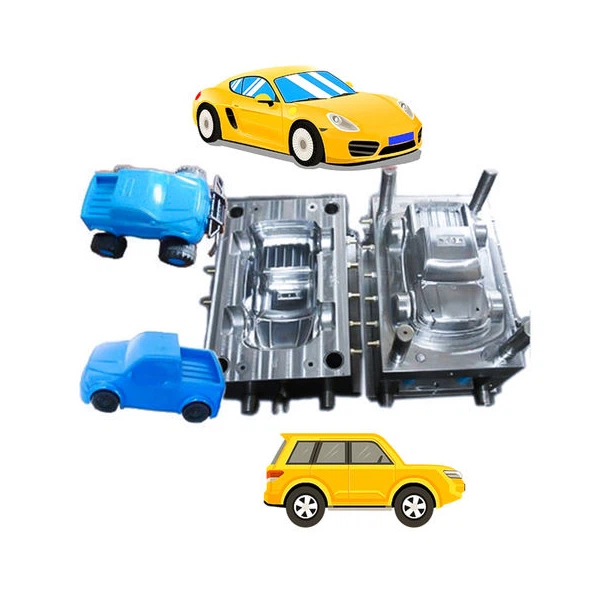
The surface finish of a plastic toy mould directly impacts the final product. A smooth and high - quality surface finish ensures that the toys eject easily from the mould, reducing the risk of defects such as scratches, marks, or warping. Additionally, it enhances the aesthetic appeal of the toys, making them more attractive to consumers. For example, in the production of Children Electrical Car Mould, a perfect surface finish can make the car look more realistic and appealing, increasing its marketability.
Material Selection
The first step in achieving a good surface finish is the careful selection of mould materials. High - quality steel alloys are often the preferred choice for plastic toy moulds due to their excellent machinability, wear resistance, and ability to maintain a smooth surface. For instance, P20 and H13 steels are commonly used in the industry. P20 steel is known for its good polishability and is suitable for medium - sized production runs of toys. H13 steel, on the other hand, is more heat - resistant and is ideal for high - volume production where the mould is subjected to repeated heating and cooling cycles.

Machining Processes
Precision machining is the foundation of a good surface finish. Computer Numerical Control (CNC) machining is widely used in the manufacturing of plastic toy moulds. CNC machines offer high accuracy and repeatability, allowing for intricate designs and smooth surfaces. During the machining process, it's essential to use sharp cutting tools and appropriate cutting parameters. For example, a slower cutting speed combined with a higher feed rate can help reduce the roughness of the machined surface.
Electrical Discharge Machining (EDM) is another valuable technique, especially for creating complex shapes and texturing. EDM uses electrical discharges to erode the material, resulting in a high - quality surface finish. However, it's important to note that the EDM process can sometimes leave a recast layer on the surface, which may need to be removed through post - processing.
Polishing
Polishing is the key step in achieving a mirror - like surface finish on plastic toy moulds. The polishing process typically involves several stages, starting with coarse abrasives to remove any large surface imperfections and gradually moving to finer abrasives for a smoother finish. There are different types of polishing techniques, including mechanical polishing, chemical polishing, and electrochemical polishing.
Mechanical polishing is the most commonly used method, where abrasive papers or polishing compounds are used to manually or mechanically smooth the surface. Chemical polishing uses chemical solutions to dissolve the surface material, resulting in a smooth finish. Electrochemical polishing combines electrical and chemical processes to achieve a highly polished surface. The choice of polishing technique depends on the material of the mould, the desired surface finish, and the complexity of the design.
Texturing
While a smooth surface finish is desirable for many plastic toys, texturing can also add value and functionality to the products. Texturing can be used to create a realistic look, such as the appearance of leather or wood, or to improve the grip of the toy. There are several methods for texturing plastic toy moulds, including laser texturing, chemical etching, and mechanical engraving.
Laser texturing is a precise and versatile method that uses a laser beam to create patterns on the mould surface. Chemical etching involves using chemicals to dissolve the surface material, creating a textured pattern. Mechanical engraving uses cutting tools to carve the texture directly into the mould. Each method has its own advantages and limitations, and the choice depends on the specific requirements of the toy design.
Heat Treatment
Heat treatment is an important process that can improve the hardness, strength, and wear resistance of the plastic toy mould. Proper heat treatment can also help to relieve internal stresses in the mould, reducing the risk of cracking and deformation during the injection moulding process. The most common heat treatment methods for plastic toy moulds include quenching and tempering.
Quenching involves heating the mould to a specific temperature and then rapidly cooling it in a quenching medium, such as oil or water. This process increases the hardness of the mould. Tempering is a subsequent process where the quenched mould is heated to a lower temperature and then slowly cooled. Tempering helps to reduce the brittleness of the quenched mould and improve its toughness.
Mould Maintenance
Regular mould maintenance is essential for maintaining a good surface finish over time. After each production run, the mould should be thoroughly cleaned to remove any plastic residues, lubricants, or contaminants. This can be done using solvents, ultrasonic cleaners, or high - pressure water jets.
In addition to cleaning, the mould should be inspected regularly for any signs of wear, damage, or corrosion. Any worn - out parts should be replaced promptly, and any minor damages should be repaired using welding or other appropriate techniques. By maintaining the mould in good condition, you can ensure that the surface finish of the plastic toys remains consistent throughout the production process.
Quality Control
Implementing a strict quality control system is crucial for achieving a good surface finish on plastic toy moulds. At every stage of the manufacturing process, from material selection to final inspection, quality control checks should be carried out. This includes dimensional inspections, surface roughness measurements, and visual inspections.
Advanced measurement techniques, such as profilometry and optical microscopy, can be used to accurately measure the surface roughness and detect any surface defects. By identifying and addressing any issues early in the process, you can prevent the production of defective moulds and ensure that the final plastic toys meet the highest quality standards.
Collaboration and Customer Feedback
Finally, collaboration with customers and the incorporation of their feedback can play a significant role in achieving a good surface finish on plastic toy moulds. As a Plastic Toy Mould supplier, we should actively engage with our customers to understand their specific requirements and expectations. By working closely with them, we can ensure that the mould design and surface finish meet their needs and preferences.
Customer feedback is also a valuable source of information for continuous improvement. By listening to their suggestions and complaints, we can identify areas for improvement and make the necessary adjustments to our manufacturing processes and quality control measures.
Conclusion
Achieving a good surface finish on a plastic toy mould requires a combination of careful material selection, precision machining, proper polishing, texturing, heat treatment, regular maintenance, strict quality control, and effective collaboration with customers. As a Plastic Toy Injection Mould supplier, we are committed to providing our customers with high - quality moulds that meet their requirements and exceed their expectations.
If you're in the market for plastic toy moulds, especially Baby Car Mold, or if you have any questions about achieving a good surface finish on your plastic toy products, we invite you to contact us for a detailed discussion. Our team of experts is ready to assist you in every step of the process, from design to production, to ensure that you get the best - quality plastic toy moulds for your business.
References
- "Plastic Injection Molding Handbook" by O. Olajide
- "Mold Design and Manufacturing Technology" by X. Zhang
- Industry whitepapers on plastic toy mould manufacturing and surface finishing techniques.