

As a seasoned supplier of helmet moulds, I've witnessed firsthand how the design of a helmet mould can significantly influence the final helmet product. In this blog, I'll delve into the various aspects of helmet mould design and explain their impacts on the end - result.
Precision and Fit
The precision of a helmet mould is of utmost importance. A well - designed mould must be able to replicate the exact specifications of the intended helmet. This includes the overall shape, size, and curvature. For instance, in the case of Motorcycle Helmet Mould, a precise mould ensures that the helmet fits snugly on the rider's head. A helmet that is too loose may not provide adequate protection in the event of an accident, while one that is too tight can cause discomfort and may even lead to headaches.
The design of the mould also affects the internal lining of the helmet. The mould should be designed to create a smooth and uniform surface for the lining to adhere to. This is crucial for the comfort of the wearer. If the mould is not precise, the lining may not fit properly, leading to uneven pressure points on the head.
Material Distribution
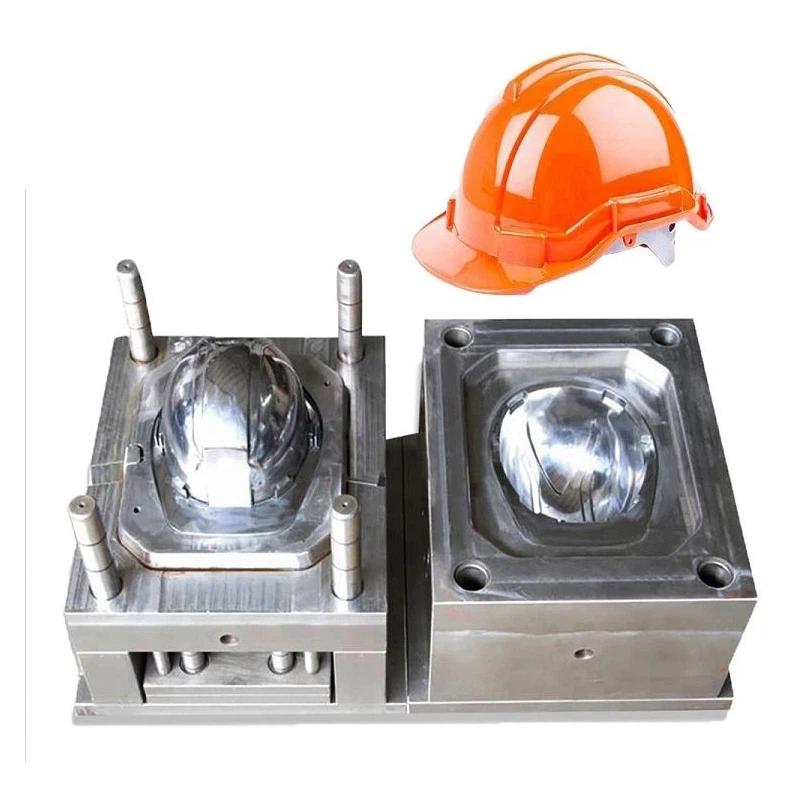
Another key factor is the distribution of materials within the helmet. The design of the mould determines how the plastic or other materials are injected and distributed during the manufacturing process. In a Helmet Injection Mold, for example, the gates and runners in the mould are carefully designed to ensure that the molten material flows evenly throughout the cavity.
Uneven material distribution can lead to weak spots in the helmet. These weak spots can compromise the structural integrity of the helmet, reducing its ability to protect the wearer. A well - designed mould will ensure that the material is distributed in a way that maximizes the strength and durability of the helmet. This may involve creating thicker sections in areas that are more likely to experience impact, such as the front and sides of the helmet.
Ventilation Design
Ventilation is an important aspect of helmet design, especially for helmets used in high - activity situations like cycling or motorcycling. The mould design plays a crucial role in creating effective ventilation channels. The shape and size of the ventilation holes are determined by the mould.
A good helmet mould will be designed to create ventilation channels that allow for proper air circulation. This helps to keep the wearer's head cool and dry, improving comfort. If the mould is not designed correctly, the ventilation channels may be blocked or may not allow for sufficient air flow. This can lead to a hot and stuffy environment inside the helmet, which can be uncomfortable and may even affect the wearer's performance.
Aesthetics and Branding
The design of the helmet mould also has a significant impact on the aesthetics of the final product. The mould can be used to create unique shapes, textures, and finishes on the helmet. For example, a Plastic Safety Helmet Mould can be designed to create a smooth and shiny surface or a more textured look.
In addition, the mould can be used to incorporate branding elements such as logos and markings. A well - designed mould will ensure that these branding elements are clear and sharp. This is important for brand recognition and can also add a professional look to the helmet.
Production Efficiency
The design of the helmet mould can have a major impact on production efficiency. A well - designed mould will be easy to operate and maintain. It will have a long service life, reducing the need for frequent replacements.
The number of cavities in the mould is also an important consideration. A multi - cavity mould can produce multiple helmets in a single injection cycle, increasing production speed. However, the design of these multi - cavity moulds must be carefully optimized to ensure that each cavity produces a high - quality helmet.
Quality Control
The design of the helmet mould is closely related to quality control. A well - designed mould makes it easier to inspect the helmets during the manufacturing process. For example, the mould can be designed to create features that make it easy to check the thickness of the helmet walls or the alignment of different components.
If the mould is not designed correctly, it can be difficult to detect defects in the helmets. This can lead to a higher rate of defective products, which can be costly for the manufacturer.
Cost - Effectiveness
From a cost - effectiveness perspective, the design of the helmet mould is crucial. A well - designed mould can reduce material waste. By ensuring proper material distribution, less material is needed to produce a high - quality helmet.
In addition, a mould that is easy to operate and maintain can reduce labor costs. The long service life of a well - designed mould also means that the initial investment in the mould can be spread over a larger number of production cycles, making it more cost - effective in the long run.
Conclusion
In conclusion, the design of a helmet mould has a far - reaching impact on the final helmet product. From precision and fit to aesthetics, ventilation, production efficiency, quality control, and cost - effectiveness, every aspect of the helmet is influenced by the mould design.
As a supplier of helmet moulds, we understand the importance of these factors. We are committed to providing our customers with high - quality moulds that are designed to meet their specific needs. Whether you are looking for a Plastic Safety Helmet Mould, a Helmet Injection Mold, or a Motorcycle Helmet Mould, we have the expertise and experience to deliver a mould that will produce top - notch helmets.

If you are in the market for helmet moulds, I encourage you to reach out to us for a detailed discussion. We can work with you to design a mould that meets your exact requirements and helps you produce high - quality helmets that stand out in the market.
References
- Smith, J. (2018). Helmet Manufacturing: The Role of Mould Design. Journal of Industrial Moulding, 12(3), 45 - 52.
- Johnson, A. (2019). Impact of Mould Design on Helmet Quality. Safety Equipment Review, 20(2), 67 - 74.
- Brown, C. (2020). Optimizing Helmet Mould Design for Production Efficiency. Manufacturing Insights, 25(4), 89 - 96.