

Hey there! I'm a supplier of cutlery moulds, and I often get asked about how to select the right lubricant for these moulds. It's a crucial question because the right lubricant can significantly impact the performance, lifespan, and quality of the cutlery produced. So, let's dive into the details.
Why Lubrication Matters for Cutlery Moulds
First off, let's understand why lubrication is so important. When you're using a cutlery mould, there's a lot of friction involved. The molten plastic or other materials are injected into the mould under high pressure, and they need to flow smoothly to take the shape of the cutlery. Without proper lubrication, the plastic might not fill the mould evenly, leading to defects in the final product.
Moreover, friction can cause wear and tear on the mould surface. Over time, this can lead to scratches, pits, and other damage, which not only affects the quality of the cutlery but also shortens the lifespan of the mould. A good lubricant reduces friction, protects the mould surface, and ensures that the production process runs smoothly.
Types of Lubricants
There are several types of lubricants available in the market, and each has its own advantages and disadvantages. Here are some of the most common ones:
Silicone-based Lubricants
Silicone-based lubricants are very popular in the moulding industry. They have excellent heat resistance, which is crucial because the moulding process often involves high temperatures. They also provide good release properties, meaning that the cutlery can be easily removed from the mould after it has cooled and solidified.
However, silicone-based lubricants can sometimes leave a residue on the mould surface, which might affect the appearance of the cutlery. They can also be more expensive than other types of lubricants.
Fluoropolymer-based Lubricants
Fluoropolymer-based lubricants, such as PTFE (polytetrafluoroethylene), offer extremely low friction coefficients. They are also highly resistant to chemicals and have excellent non-stick properties. This makes them ideal for use in cutlery moulds, especially when dealing with materials that are prone to sticking.
On the downside, fluoropolymer-based lubricants can be quite expensive, and they may require special application techniques.
Mineral Oil-based Lubricants
Mineral oil-based lubricants are relatively inexpensive and easy to find. They provide good lubrication and can help reduce friction. However, they have limited heat resistance, so they may not be suitable for high-temperature moulding processes. They can also oxidize over time, which can lead to the formation of sludge and other contaminants.
Synthetic Lubricants
Synthetic lubricants are designed to offer a combination of the best properties of other lubricants. They can have excellent heat resistance, low friction coefficients, and good release properties. They are also less likely to oxidize or leave a residue compared to mineral oil-based lubricants.
However, synthetic lubricants can be more expensive than mineral oil-based lubricants, and their performance may vary depending on the specific formulation.
Factors to Consider When Selecting a Lubricant
Now that we've looked at the different types of lubricants, let's discuss the factors you should consider when selecting the right one for your cutlery mould.
Mould Material
The material of the cutlery mould plays a significant role in determining the type of lubricant you should use. For example, if your mould is made of steel, you might need a lubricant that is compatible with steel and can protect it from corrosion. On the other hand, if your mould is made of a different material, such as aluminum, you'll need to choose a lubricant that is suitable for that material.
Moulding Process
The moulding process you use also affects the choice of lubricant. If you're using an injection moulding process, you'll need a lubricant that can withstand high pressures and temperatures. If you're using a compression moulding process, the requirements may be different.
Type of Material Being Moulded
The type of material you're using to make the cutlery is another important factor. Different materials have different properties, and they may require different types of lubricants. For example, if you're using a thermoplastic material, you'll need a lubricant that can help the plastic flow smoothly through the mould. If you're using a thermosetting material, the lubricant needs to be able to withstand the curing process without degrading.
Desired Properties of the Cutlery
The properties you want the cutlery to have can also influence your choice of lubricant. If you want the cutlery to have a smooth surface finish, you'll need a lubricant that can help achieve that. If you're concerned about the cutlery being resistant to scratches or stains, you might need a lubricant that can provide some level of protection.
Application and Maintenance
Once you've selected the right lubricant for your cutlery mould, it's important to apply it correctly and maintain it properly. Here are some tips:
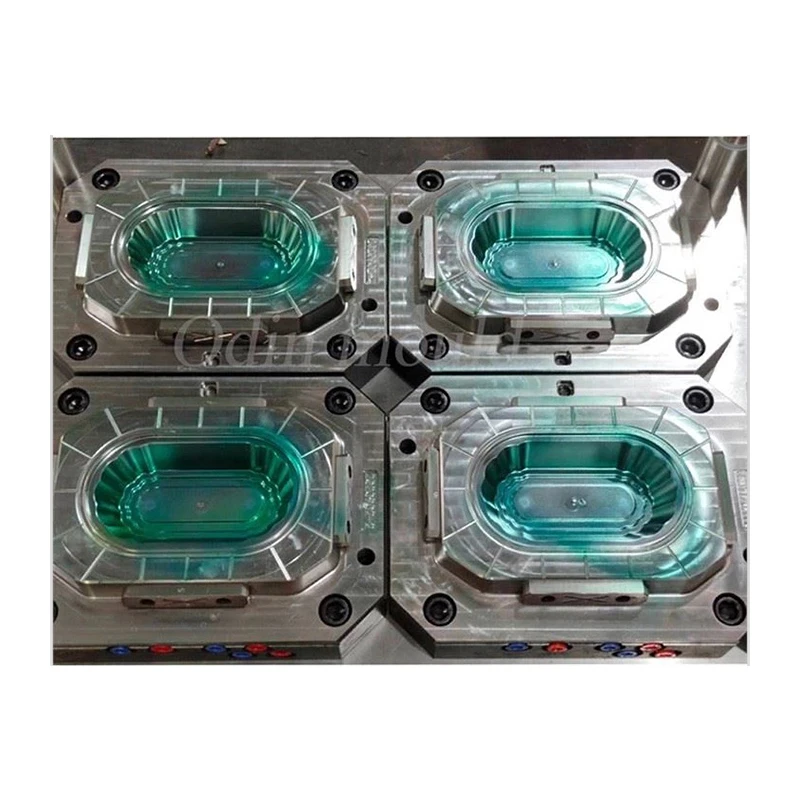

Application
- Clean the Mould: Before applying the lubricant, make sure the mould is clean and free of any debris or contaminants. This will ensure that the lubricant adheres properly to the mould surface.
- Use the Right Amount: Applying too much lubricant can lead to excess residue and may affect the quality of the cutlery. On the other hand, applying too little lubricant may not provide sufficient lubrication. Follow the manufacturer's instructions for the recommended amount of lubricant to use.
- Apply Evenly: Use a brush, spray, or other appropriate method to apply the lubricant evenly across the mould surface. Make sure to cover all areas, including the cavities and any intricate details.
Maintenance
- Regular Inspections: Regularly inspect the mould for signs of wear, damage, or contamination. If you notice any issues, take appropriate action, such as cleaning the mould or reapplying the lubricant.
- Reapply as Needed: Over time, the lubricant may wear off or become contaminated. Reapply the lubricant as needed to maintain optimal performance.
- Store Properly: Store the lubricant in a cool, dry place, away from direct sunlight and heat. Follow the manufacturer's instructions for storage and handling.
Conclusion
Selecting the right lubricant for a cutlery mould is a critical decision that can have a significant impact on the quality and performance of your cutlery production. By considering factors such as the mould material, moulding process, type of material being moulded, and desired properties of the cutlery, you can choose the lubricant that best meets your needs.
If you're in the market for cutlery moulds or have any questions about lubrication, feel free to reach out. We also offer a range of related products, such as Disposable Tableware Mould, Plastic Thin Wall Food Container Packaging Box Mould, and Spoon Mould. Contact us to discuss your requirements and start a procurement negotiation.
References
- "Mould Lubricants: A Guide to Selection and Use" - Industry Handbook
- "The Science of Moulding: Lubrication and Release" - Technical Journal
- "Cutlery Moulding Best Practices" - Manufacturing Magazine