

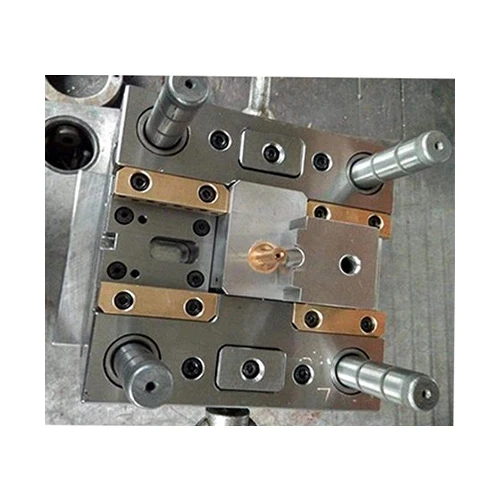
Hey there! I'm a supplier of Plastic Spool Moulds, and I often get asked this question: "Can a plastic spool mould be repaired if it is damaged?" Well, let's dive right into it.
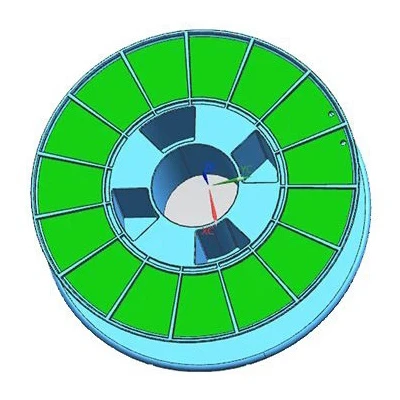
First off, let's understand the importance of plastic spool moulds. These moulds are crucial in the production of various plastic spools, like Injection Plastic Spool Bobbin Mould, Cable Spool Mould, and Plastic Cone Bobbin Mould. They play a key role in shaping the final product, and any damage to them can really mess up the production process.
Now, the answer to whether a damaged plastic spool mould can be repaired is a big "yes" in most cases. But it depends on a few factors.
Types of Damage
Minor Surface Damage
One of the most common types of damage is minor surface scratches or dents. This can happen during the handling, cleaning, or even normal wear and tear. The good news is that these kinds of damages are usually easy to fix. For surface scratches, a simple polishing process can often do the trick. We can use different grades of sandpaper or polishing compounds to smooth out the surface and get rid of those unsightly marks. This restores the mould's surface finish, which is super important for the quality of the plastic spools it produces.
Erosion and Corrosion
Over time, especially if the mould is used in a harsh environment or with certain types of plastics, erosion and corrosion can occur. Erosion happens when the high - velocity flow of molten plastic wears away the surface of the mould. Corrosion, on the other hand, can be caused by chemicals in the plastic or the environment. To repair erosion, we can build up the worn - out areas using welding techniques. For corrosion, we first need to remove the corroded parts and then treat the surface to prevent further corrosion. This might involve applying special coatings or using anti - corrosion materials.
Mechanical Damage
Mechanical damage, like cracks or broken parts, is a bit more serious. If the crack is small and not in a critical area of the mould, we might be able to repair it by welding. However, if the crack is large or the part is completely broken, we might need to replace the damaged section. Sometimes, it's even possible to salvage the rest of the mould and just replace the broken piece. This can save a lot of money compared to buying a brand - new mould.
The Repair Process
The repair process for a plastic spool mould usually starts with a thorough inspection. We need to figure out the extent and type of damage. This involves using tools like microscopes, calipers, and ultrasonic testing equipment to get a detailed understanding of what's going on.
Once we've identified the damage, we come up with a repair plan. This plan takes into account the material of the mould, the type of damage, and the production requirements. For example, if the mould is made of a high - strength steel, we need to use welding techniques that are suitable for that material.
After the repair work is done, we perform quality control checks. This includes checking the dimensions of the mould to make sure they are within the required tolerances. We also test the surface finish and functionality of the mould by running a few test shots of plastic. This helps us ensure that the repaired mould will produce high - quality plastic spools.
Benefits of Repairing
Cost - Effective
Repairing a damaged plastic spool mould is often much cheaper than buying a new one. A new mould can cost a significant amount of money, especially if it's a complex design. By repairing the existing mould, we can save a lot of capital for our customers.
Time - Saving
Ordering a new mould can take weeks or even months, depending on the complexity of the design and the manufacturer's workload. Repairing a damaged mould, on the other hand, can usually be done in a much shorter time. This means less downtime for the production line and fewer delays in getting products to the market.
Sustainability
In today's world, sustainability is a big deal. Repairing a mould instead of throwing it away and buying a new one is a more environmentally friendly option. It reduces the consumption of raw materials and energy that would be used in the production of a new mould.
When Repair Isn't an Option
There are some situations where repairing a plastic spool mould might not be the best idea. If the damage is too extensive, like if the mould has multiple large cracks or is severely warped, the cost of repair might be close to or even higher than the cost of a new mould. In such cases, it might be more practical to just replace the mould.
Another situation is when the mould is outdated or no longer meets the production requirements. For example, if the design of the plastic spool has changed and the old mould can't be modified to produce the new design, it's time to get a new one.
Conclusion
So, to sum it up, in most cases, a damaged plastic spool mould can be repaired. Minor damages are relatively easy to fix, while more serious ones require more complex repair techniques. Repairing a mould is cost - effective, time - saving, and sustainable. However, there are situations where replacement is the better option.
If you're facing issues with a damaged plastic spool mould or are looking to buy a new one, don't hesitate to reach out. We have a team of experts who can assess your situation and provide the best solutions. Whether it's repair, replacement, or just some advice, we're here to help. Contact us to start a discussion about your plastic spool mould needs and let's work together to keep your production running smoothly.
References
- "Mould Design and Manufacturing Handbook"
- Industry reports on plastic mould repair and maintenance