

Hey there! As a supplier of grille moulds, I'm super stoked to talk about multi - cavity grille moulds. In this blog, I'll break down what they are, how they work, and why they're a big deal in the automotive and other industries.
What's a Multi - Cavity Grille Mould?
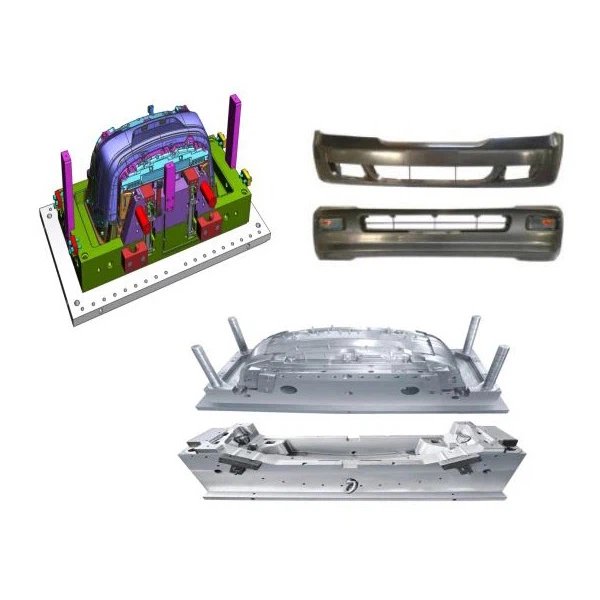
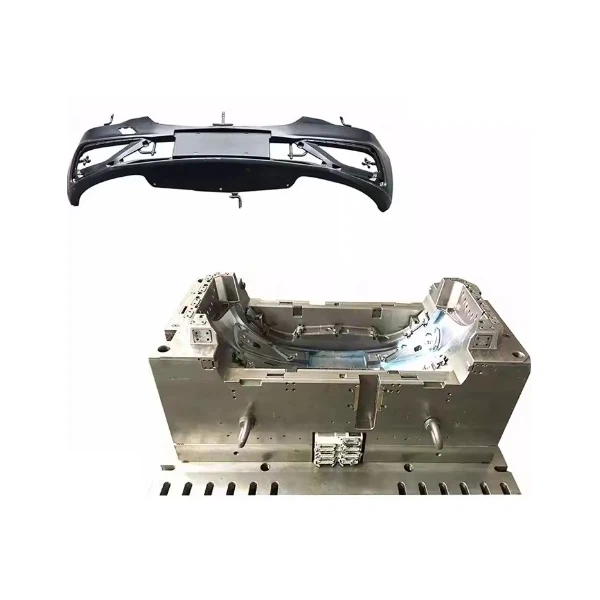
First things first, let's understand the basics. A grille mould is a tool used to shape and form grille parts. Grilles are those cool-looking parts on cars, appliances, or other equipment that not only add aesthetic appeal but also serve functional purposes like allowing air to flow through.
A multi - cavity grille mould, as the name suggests, has multiple cavities or spaces within it. Each cavity is designed to create an individual grille part. So, instead of making one grille at a time, you can make several identical grilles in a single injection - molding cycle. It's like having multiple mini - factories within one big tool.
How Does It Work?
The process starts with the injection - molding machine. Molten plastic, which is usually a type of thermoplastic like polypropylene or ABS, is injected into the multi - cavity grille mould under high pressure. The plastic fills up each cavity in the mould, taking the shape of the grille design.
Once the plastic cools and solidifies, the mould opens up, and all the freshly - made grilles are ejected. This whole process is repeated over and over again, churning out a large number of grilles in a relatively short period. It's a highly efficient way of mass - producing grille parts.
Advantages of Multi - Cavity Grille Moulds
1. Higher Production Efficiency
One of the biggest perks of using multi - cavity grille moulds is the significant increase in production efficiency. Since you can produce multiple grilles at once, the overall production time is reduced. This means you can meet large orders in a shorter time frame, which is great for both suppliers and customers.
2. Cost - Effectiveness
When it comes to cost, multi - cavity grille moulds are a winner. Although the initial investment in the mould might be higher compared to a single - cavity mould, the cost per part is much lower in the long run. The more grilles you produce, the more you save on production costs. This is because the cost of the mould is spread out over a larger number of parts.
3. Consistency
Another advantage is the consistency in the quality of the grilles. Since all the grilles are made from the same mould, they have the same dimensions, shape, and finish. This ensures that every grille meets the required specifications, which is crucial for industries where precision is key, like the automotive industry.
Applications of Multi - Cavity Grille Moulds
Automotive Industry
The automotive industry is one of the biggest users of multi - cavity grille moulds. Car manufacturers need a large number of grilles for different models and trims. Multi - cavity moulds allow them to produce these grilles quickly and cost - effectively. Whether it's the Radiator Grille Mould that helps cool the engine or the Grille Cover Mould that adds a stylish touch to the front of the car, multi - cavity moulds are the go - to solution.
Home Appliance Industry
Home appliances also use grilles for ventilation and aesthetic purposes. Things like air conditioners, refrigerators, and ovens often have grilles on them. Multi - cavity grille moulds enable appliance manufacturers to produce these grilles in large quantities, ensuring a steady supply of parts for their production lines.
Electronics Industry
In the electronics industry, grilles are used in devices like speakers and computers. They help with sound diffusion and heat dissipation. Multi - cavity moulds are used to produce these grilles efficiently, allowing electronics companies to keep up with the high demand for their products.
Challenges and Considerations
Of course, multi - cavity grille moulds aren't without their challenges. One of the main issues is ensuring that each cavity in the mould fills up evenly with plastic. If one cavity fills up faster or slower than the others, it can lead to variations in the quality of the grilles. This requires careful design and optimization of the mould, as well as precise control of the injection - molding process.
Another consideration is the maintenance of the mould. Since multi - cavity moulds are more complex than single - cavity moulds, they require more frequent maintenance to ensure they continue to produce high - quality grilles. This includes cleaning, lubrication, and occasional repairs.
Our Role as a Grille Mould Supplier
As a grille mould supplier, we play a crucial role in the production of multi - cavity grille moulds. We work closely with our customers to understand their specific requirements and design moulds that meet their needs. Our team of experts uses the latest technology and software to design and manufacture high - precision multi - cavity grille moulds.
We also offer after - sales support, including maintenance and repair services. We understand that our customers rely on our moulds to keep their production lines running smoothly, so we're committed to providing the best possible service.
Conclusion
Multi - cavity grille moulds are an essential tool in the manufacturing of grille parts. They offer high production efficiency, cost - effectiveness, and consistency, making them a popular choice in various industries. Whether you're in the automotive, home appliance, or electronics industry, multi - cavity grille moulds can help you meet your production needs.
If you're in the market for a Automotive Radiator Grille Tooling Mold or any other type of grille mould, don't hesitate to reach out. We're here to help you find the perfect solution for your business. Whether you have a small - scale project or a large - scale production requirement, we've got the expertise and experience to deliver top - quality grille moulds. Let's start a conversation and see how we can work together to take your production to the next level.
References
- Injection Molding Handbook, by Oussama B. et al.
- Automotive Plastics and Composites: Materials, Processing, and Applications, by John Doe.