

As a rear bumper mould supplier, I've witnessed firsthand the critical role that temperature plays in the manufacturing process. Temperature can significantly impact the quality, efficiency, and durability of rear bumper moulds. In this blog post, I'll delve into the various ways temperature affects rear bumper moulds and why it's essential to manage it effectively.
Temperature and Material Properties
The materials used in rear bumper moulds, such as steel and aluminum alloys, have specific thermal properties. When exposed to different temperatures, these materials expand or contract. For instance, steel has a coefficient of thermal expansion, which means that as the temperature rises, the steel mould will increase in size. This expansion can be a double - edged sword.
On one hand, during the injection molding process, the mould needs to be at an appropriate temperature to ensure that the plastic material flows smoothly into all the cavities of the mould. If the mould is too cold, the plastic may not fill the mould completely, leading to defects like short shots or air pockets in the final rear bumper product. On the other hand, if the mould is too hot, the plastic may degrade, resulting in a poor - quality surface finish and reduced mechanical properties of the bumper.
The ideal temperature range for the mould depends on the type of plastic used. For common plastics like polypropylene (PP), which is widely used in rear bumpers, the mould temperature typically ranges from 20°C to 80°C. Maintaining this temperature range is crucial for achieving the desired part quality.
Impact on Mould Lifespan
Temperature also has a significant impact on the lifespan of rear bumper moulds. Repeated heating and cooling cycles can cause thermal stress within the mould material. Over time, these thermal stresses can lead to the formation of cracks and other forms of damage.
When the mould is heated rapidly, the outer layer of the material expands faster than the inner layer, creating internal stresses. Similarly, during rapid cooling, the outer layer contracts more quickly, which can also generate high - stress levels. These stress concentrations can weaken the mould structure and eventually lead to premature failure.
To mitigate this issue, it's important to use proper heating and cooling systems in the mould design. For example, using a well - designed cooling channel system can ensure a more uniform temperature distribution within the mould, reducing thermal stress. Additionally, heat - treatment processes can be applied to the mould material to improve its resistance to thermal fatigue.
Influence on Production Efficiency
Temperature management directly affects the production efficiency of rear bumper moulds. If the mould temperature is not optimized, the cycle time of the injection molding process will increase. A cold mould requires more time for the plastic to fill and solidify, while an overheated mould may need additional cooling time before the part can be ejected.
By maintaining the mould at the optimal temperature, the plastic can fill the mould quickly and solidify in a timely manner, reducing the overall cycle time. This not only increases the production output but also reduces energy consumption. For example, a well - regulated mould temperature can save up to 20% of the energy used in the injection molding process.
Temperature and Part Dimensions
Accurate part dimensions are crucial for rear bumpers, as they need to fit precisely on the vehicle. Temperature variations can cause dimensional changes in the mould and the final part. When the mould expands or contracts due to temperature changes, the dimensions of the cavities also change accordingly.
This can result in parts that are either too large or too small, which may not meet the required specifications. To ensure dimensional accuracy, it's necessary to monitor and control the mould temperature throughout the production process. Advanced temperature control systems can be used to maintain a stable temperature, reducing dimensional variations in the parts.
Practical Temperature Control Strategies
As a rear bumper mould supplier, we implement several strategies to control temperature effectively. One of the most common methods is the use of cooling channels. These channels are designed to circulate a cooling medium, such as water or oil, through the mould to remove heat. The size, shape, and layout of the cooling channels are carefully designed to ensure uniform cooling.
In addition to cooling channels, heating elements can also be used to maintain the mould temperature at the desired level. Electric heating rods or cartridge heaters are often installed in the mould to provide additional heat when needed.
We also use temperature sensors to monitor the temperature at different locations within the mould. These sensors are connected to a control system that can adjust the flow rate of the cooling medium or the power of the heating elements based on the measured temperature.
The Role of Temperature in Different Stages of Moulding
During the injection stage, the mould temperature affects the flow behavior of the plastic. A higher mould temperature reduces the viscosity of the plastic, allowing it to flow more easily into the mould cavities. This is particularly important for complex - shaped rear bumpers, where proper plastic flow is essential for filling all the details of the mould.
In the packing and holding stage, the mould temperature helps to maintain the pressure and shape of the part. A stable mould temperature ensures that the plastic remains in a semi - molten state for a sufficient time to compensate for shrinkage as the part cools.
Finally, during the cooling stage, controlling the temperature is crucial for achieving the desired part properties. A controlled cooling rate can prevent the formation of internal stresses and improve the mechanical properties of the bumper.
Conclusion
In conclusion, temperature has a profound impact on rear bumper moulds, affecting everything from part quality and mould lifespan to production efficiency. As a rear bumper mould supplier, we understand the importance of temperature management and have developed advanced techniques to ensure optimal temperature control in our moulds.
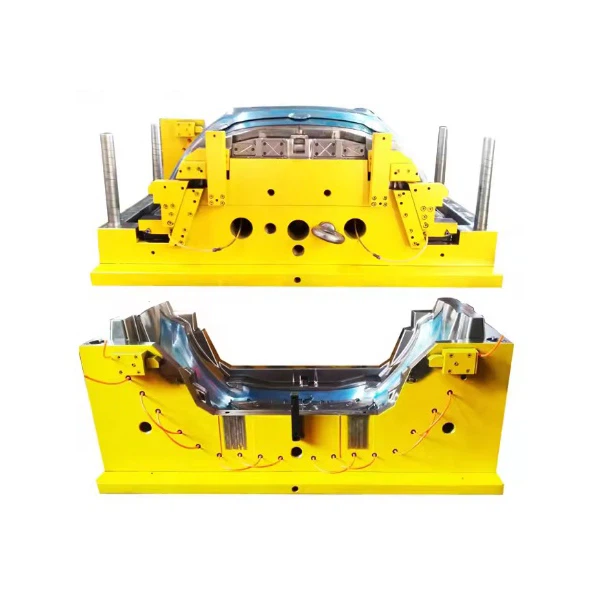
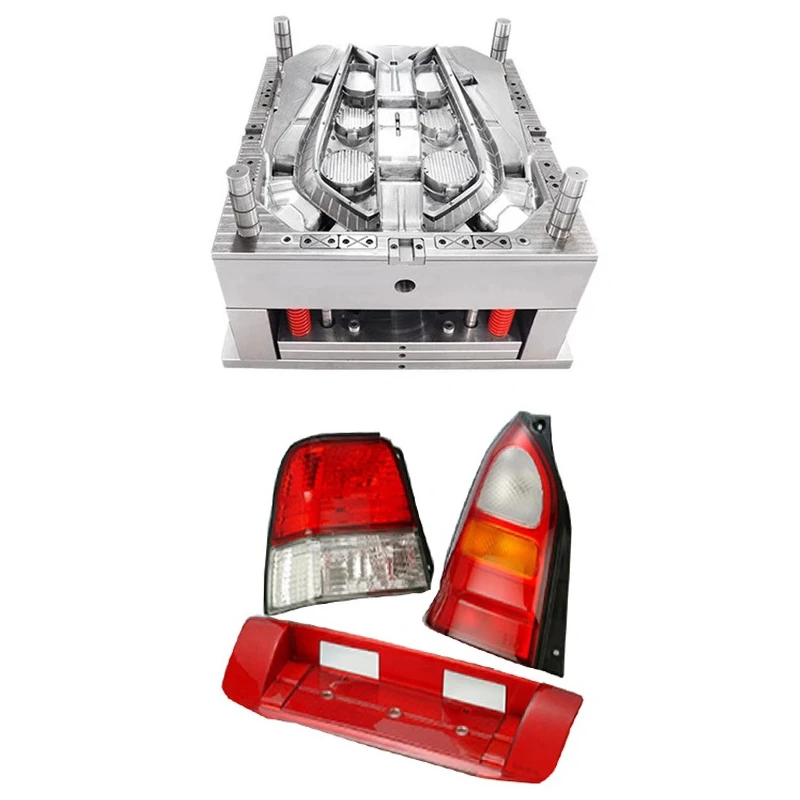
If you're in the market for high - quality rear bumper moulds, or if you're interested in Car Front Bumper Mold, Bumper Injection Mould, or Car Lamp Injection Mold, we're here to provide you with the best solutions. Contact us to discuss your specific requirements and let's work together to create the perfect mould for your automotive parts.
References
- "Injection Molding Handbook" by O. Olsson, K. Gedde, and J. Seppala.
- "Plastics Processing Technology" by D. V. Rosato and D. V. Rosato Jr.
- "Mould Design and Manufacturing for Plastics" by various authors in the field of plastic moulding.