

In the dynamic landscape of the toy industry, plastic toy moulds play a pivotal role in shaping the toys that bring joy to children worldwide. As a dedicated Plastic Toy Mould supplier, I've witnessed firsthand the evolution of this sector and am constantly intrigued by the question: What is the future of plastic toy moulds in the toy industry?
Current State of Plastic Toy Moulds in the Toy Industry
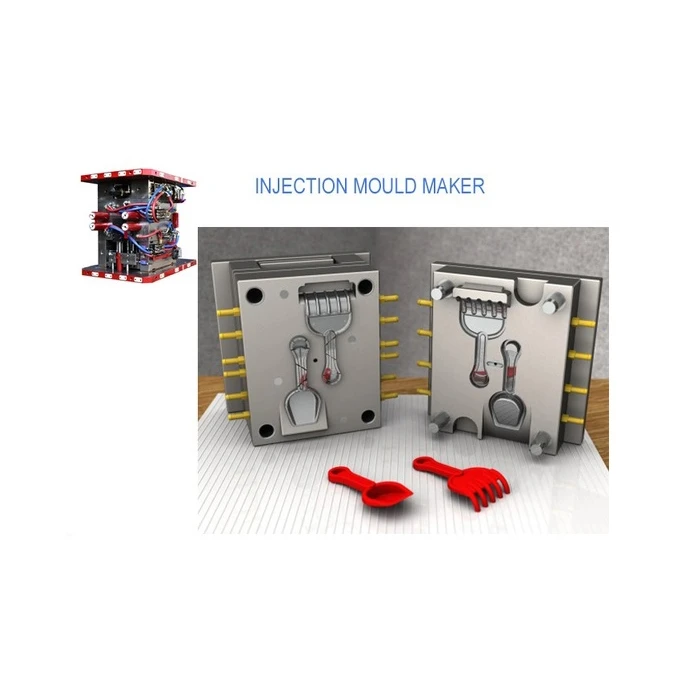
Plastic toy moulds are the backbone of the modern toy manufacturing process. They allow for the mass - production of toys with consistent quality and intricate designs. From simple action figures to complex Children Electrical Car Mould, these moulds enable toy manufacturers to bring their creative visions to life.
The current market for plastic toy moulds is highly competitive. There are numerous suppliers offering a wide range of moulds, from basic to highly specialized ones. This competition has led to continuous improvements in mould - making technology, such as the use of advanced materials and precision machining techniques. For example, high - grade steel alloys are now commonly used to increase the durability and lifespan of the moulds, reducing the need for frequent replacements.

However, the industry also faces several challenges. One of the most significant is the increasing concern for environmental sustainability. Plastic, being a major component in toy production, has come under scrutiny due to its non - biodegradable nature. Consumers are becoming more conscious of the environmental impact of the toys they buy, and toy manufacturers are under pressure to find more sustainable solutions.
Technological Advancements Shaping the Future
The future of plastic toy moulds will be heavily influenced by technological advancements. One of the most promising areas is 3D printing. 3D printing technology has the potential to revolutionize the mould - making process. It allows for the rapid prototyping of moulds, reducing the time and cost associated with traditional manufacturing methods. With 3D printing, it is possible to create complex geometries that were previously difficult or impossible to achieve. This opens up new possibilities for toy designers, enabling them to create more innovative and engaging toys.
Another important technological trend is the integration of smart manufacturing technologies. Internet of Things (IoT) sensors can be embedded in plastic toy moulds to monitor various parameters such as temperature, pressure, and wear. This real - time data can be used to optimize the manufacturing process, improve quality control, and predict maintenance needs. For example, if a sensor detects abnormal wear on a mould, the manufacturer can take proactive measures to prevent production downtime and ensure consistent product quality.
Artificial intelligence (AI) also has a role to play in the future of plastic toy moulds. AI algorithms can be used to analyze large amounts of data from the manufacturing process, identify patterns, and make predictions. This can help in optimizing the design of the moulds, reducing waste, and improving overall efficiency. For instance, AI can analyze the flow of plastic during the injection - moulding process and suggest design modifications to ensure uniform filling of the mould.
Sustainability and the Future of Plastic Toy Moulds
As mentioned earlier, sustainability is a major concern in the toy industry. In response, the future of plastic toy moulds will likely see a shift towards more sustainable materials and manufacturing processes. Biodegradable plastics are emerging as a viable alternative to traditional plastics. These plastics are made from renewable resources and can break down naturally over time, reducing the environmental impact.
As a Plastic Toy Mould supplier, we are already exploring the use of biodegradable plastics in our mould - making process. We are working with research institutions and material suppliers to develop moulds that are compatible with these new materials. This not only helps our customers meet the growing demand for sustainable toys but also positions us as a forward - thinking player in the industry.
In addition to using sustainable materials, the future of plastic toy moulds will also involve more efficient manufacturing processes. Lean manufacturing principles can be applied to reduce waste, energy consumption, and production time. For example, by optimizing the layout of the production line and reducing the number of unnecessary steps in the manufacturing process, we can minimize the environmental footprint of our operations.
Changing Consumer Preferences
Consumer preferences are constantly evolving, and this will have a direct impact on the future of plastic toy moulds. Today's consumers are more interested in toys that offer educational value, interactivity, and personalization. This means that toy manufacturers will need moulds that can produce toys with these features.
Educational toys, such as those that teach STEM (Science, Technology, Engineering, and Mathematics) concepts, are becoming increasingly popular. Plastic toy moulds will need to be designed to create toys with complex internal mechanisms and precise parts to ensure accurate functionality. For example, a Plastic Toy Mould for a robotic toy may need to incorporate gears, sensors, and circuit boards, requiring a high level of precision in the mould - making process.
Interactivity is another key trend. Toys that can connect to smartphones or other devices, respond to voice commands, or have augmented reality (AR) features are in high demand. Plastic toy moulds will need to be designed to accommodate these technological components, such as creating cavities for battery compartments and ports for connectivity.
Personalization is also on the rise. Consumers want toys that can be customized to their preferences, such as adding names, colors, or unique designs. This requires flexible mould - making solutions that can easily adapt to different customization requirements.
Regulatory Landscape
The regulatory landscape is another factor that will shape the future of plastic toy moulds. Governments around the world are implementing stricter regulations regarding toy safety and environmental standards. For example, there are regulations on the use of harmful chemicals in toys, such as lead and phthalates. Toy manufacturers need to ensure that the toys they produce meet these standards, and plastic toy moulds play a crucial role in this process.
Moulds need to be designed and manufactured in a way that ensures the proper containment of these chemicals and the overall safety of the toys. In addition, as environmental regulations become more stringent, there may be requirements for the use of sustainable materials and manufacturing processes. This will force the plastic toy mould industry to adapt and innovate to meet these regulatory requirements.
The Role of Plastic Toy Mould Suppliers
As a Plastic Toy Mould supplier, we have a crucial role to play in shaping the future of the toy industry. We need to stay ahead of the technological trends and invest in research and development to offer our customers the best possible solutions. This includes developing new materials, improving manufacturing processes, and providing innovative design solutions.
We also need to work closely with our customers, the toy manufacturers, to understand their needs and challenges. By collaborating with them, we can develop customized moulds that meet their specific requirements, whether it's for sustainable toys, smart toys, or personalized toys.
In addition, we have a responsibility to promote environmental sustainability. We can do this by offering moulds that are compatible with biodegradable plastics, implementing lean manufacturing practices in our own operations, and educating our customers about the importance of sustainability.
Conclusion
The future of plastic toy moulds in the toy industry is full of opportunities and challenges. Technological advancements such as 3D printing, IoT, and AI will bring about significant changes in the mould - making process, enabling more innovation and efficiency. However, the industry also needs to address the issue of environmental sustainability and adapt to changing consumer preferences and regulatory requirements.
As a Plastic Toy Mould supplier, we are excited about the future. We are committed to investing in research and development, collaborating with our customers, and promoting sustainability. We believe that by doing so, we can not only meet the evolving needs of the toy industry but also contribute to a more sustainable and innovative future for children's toys.
If you are a toy manufacturer looking for high - quality, innovative, and sustainable plastic toy mould solutions, we would love to have a conversation with you. Contact us to discuss your specific requirements and explore how we can work together to shape the future of the toy industry.
References
- "The Impact of 3D Printing on the Manufacturing Industry" - Journal of Manufacturing Technology
- "Sustainable Materials in Toy Production" - Environmental Science and Technology Journal
- "Smart Manufacturing for the Toy Industry" - International Journal of Advanced Manufacturing Technology