

Hey there! As a supplier of Plastic Chair Moulds, I often get asked about the corrosion resistance of these moulds. So, I thought I'd take a deep - dive into this topic and share some insights with you.
First off, let's understand what corrosion is. In simple terms, corrosion is the process of deterioration of a material due to chemical reactions with its environment. For plastic chair moulds, the environment can include things like the plastic resin used in the injection - molding process, cleaning agents, and even the humidity in the storage or working area.
When it comes to plastic chair moulds, most of them are made from metals like steel or aluminum. Each of these materials has its own level of corrosion resistance.
Steel is a popular choice for plastic chair moulds because of its strength and durability. There are different types of steel used, such as carbon steel and stainless steel. Carbon steel is relatively inexpensive, but it has a lower corrosion resistance compared to stainless steel. Stainless steel, on the other hand, contains chromium, which forms a passive oxide layer on the surface of the steel. This layer acts as a barrier, preventing oxygen and moisture from reaching the metal beneath and thus reducing the risk of corrosion.
Aluminum is another material used for plastic chair moulds. It's lightweight and has good thermal conductivity, which can be beneficial in the injection - molding process. Aluminum also forms a natural oxide layer on its surface when exposed to air. This oxide layer provides some level of corrosion resistance. However, it's not as resistant as stainless steel in harsh environments.
Now, let's talk about how the corrosion resistance of a plastic chair mould affects its performance. If a mould starts to corrode, it can lead to a number of problems. The surface of the corroded mould may become rough, which can affect the quality of the plastic chairs produced. The rough surface can cause the plastic chairs to have a poor finish, with visible marks or uneven textures. In some cases, corrosion can also lead to dimensional changes in the mould. This means that the plastic chairs produced may not meet the required specifications, leading to a higher rate of rejects.
To maintain the corrosion resistance of plastic chair moulds, proper care and maintenance are crucial. Regular cleaning is a must. After each use, the mould should be cleaned to remove any residual plastic, dirt, or debris. Using the right cleaning agents is also important. Harsh chemicals can damage the protective oxide layer on the surface of the mould, increasing the risk of corrosion. Instead, mild detergents or specialized mould - cleaning solutions should be used.
Storage conditions also play a big role. Moulds should be stored in a dry and clean environment. High humidity can accelerate the corrosion process, so it's a good idea to use dehumidifiers in the storage area. If possible, the moulds should be coated with a protective layer, such as a rust - preventive oil, before storage.
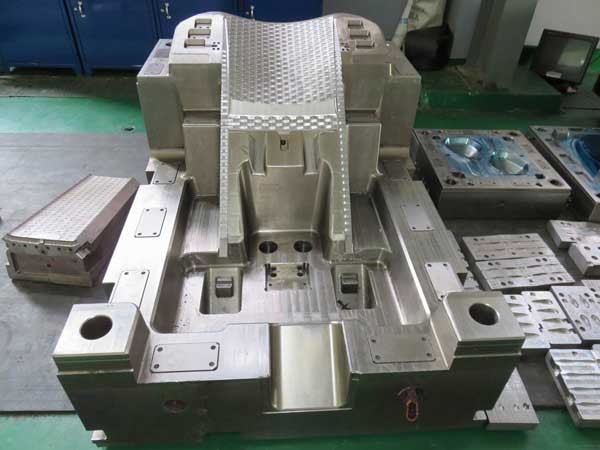
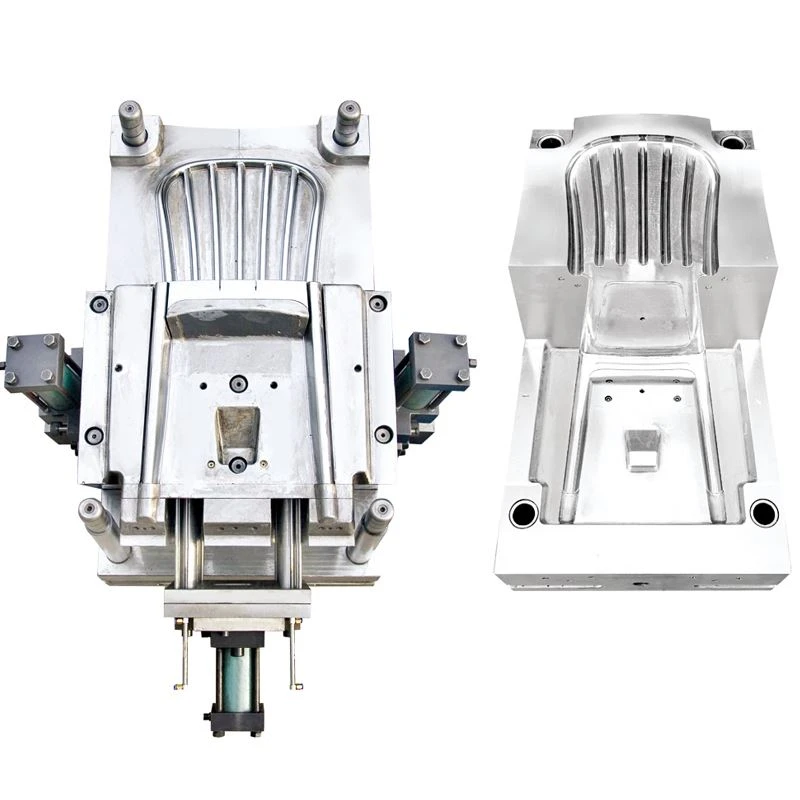
As a supplier, I've seen firsthand the importance of corrosion - resistant plastic chair moulds. Our company offers a wide range of high - quality moulds, including Rattan Chair Injection Mould, Plastic Injection Chair Mould, and Plastic Chair Injection Mould. These moulds are made from top - grade materials with excellent corrosion resistance, ensuring long - term performance and high - quality production of plastic chairs.
When you're in the market for plastic chair moulds, it's important to consider the corrosion resistance of the moulds. A mould with good corrosion resistance will not only last longer but also help you produce high - quality plastic chairs consistently.
If you're interested in our plastic chair moulds or have any questions about corrosion resistance or anything related to plastic chair moulds, don't hesitate to reach out. We're here to help you make the best choice for your business and ensure that you get the most out of your investment.
In conclusion, the corrosion resistance of a plastic chair mould is a critical factor that can significantly impact the quality of the plastic chairs produced and the lifespan of the mould itself. By choosing the right material, taking proper care of the mould, and working with a reliable supplier, you can ensure that your plastic chair production process runs smoothly and efficiently.
References
- Callister, W. D., & Rethwisch, D. G. (2010). Materials Science and Engineering: An Introduction. Wiley.
- ASM Handbook Committee. (1996). ASM Handbook, Volume 13A: Corrosion: Fundamentals, Testing, and Protection. ASM International.