

Hey there! As a front grille mould supplier, I've seen firsthand the importance of safety when using these moulds. Front grille moulds are used to create those stylish and functional grilles you see on cars, air conditioners, and more. But like any industrial equipment, they come with their own set of risks. So, let's dive into the safety precautions you should take when using a front grille mould.
1. Pre - operation Checks
Before you even think about firing up the mould, you need to do a thorough inspection. First off, check the physical condition of the mould. Look for any signs of damage like cracks, chips, or wear and tear. A damaged mould can not only produce faulty grilles but also pose a serious safety hazard. For example, a crack in the mould could cause it to break apart during operation, sending sharp pieces flying.
Next, examine the electrical components if it's an electrically - powered mould. Make sure all the wires are intact, there are no exposed conductors, and the connections are secure. Loose or damaged electrical parts can lead to short - circuits, electrical shocks, or even fires.
Also, check the hydraulic system if applicable. Look for leaks in the hoses and connections. Hydraulic fluid is under high pressure, and a leak can cause a sudden loss of pressure, which might lead to the mould malfunctioning.
2. Personal Protective Equipment (PPE)
Wearing the right PPE is non - negotiable when working with front grille moulds. Start with safety glasses. These will protect your eyes from flying debris, such as small plastic particles or metal shavings that might be ejected during the moulding process.
Gloves are also essential. They protect your hands from cuts, burns, and chemical exposure. For instance, if you're handling hot plastic or chemicals used in the moulding process, heat - resistant and chemical - resistant gloves are a must.
Wear a safety helmet to protect your head from any falling objects. In a busy factory environment, there's always a risk of something being dropped from above.
And don't forget safety shoes. They have steel toes that can prevent your feet from being crushed if a heavy part of the mould or a tool accidentally falls on them.
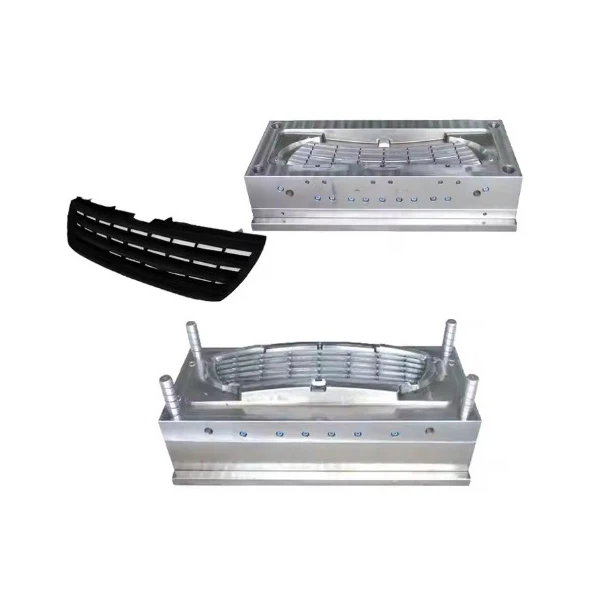

3. Operating the Mould
When operating the front grille mould, follow the manufacturer's instructions to the letter. Don't try to take shortcuts or improvise. Each mould is designed to work in a specific way, and deviating from the instructions can lead to accidents.
Keep your hands and other body parts clear of the moving parts of the mould. The mould has moving components like slides, ejectors, and clamping mechanisms. These parts can move suddenly and with great force, which can cause serious injuries if you're in the way.
Don't overload the mould. There's a recommended maximum capacity for each mould, and exceeding it can cause the mould to break or malfunction. For example, if you try to inject too much plastic into the mould at once, it can put excessive pressure on the mould walls, leading to a rupture.
4. Ventilation
Proper ventilation is crucial when using front grille moulds. The moulding process often involves heating plastic materials, which can release fumes. These fumes can be harmful if inhaled over a long period. They might contain chemicals like volatile organic compounds (VOCs) that can cause respiratory problems, headaches, and other health issues.
Make sure your workspace has good ventilation systems, such as exhaust fans or air purifiers. This will help to remove the fumes from the air and keep the working environment safe.
5. Maintenance and Cleaning
Regular maintenance and cleaning of the front grille mould are essential for safety. Clean the mould after each use to remove any residual plastic, debris, or chemicals. This not only ensures the quality of the next grille production but also prevents the build - up of materials that could cause the mould to malfunction.
Lubricate the moving parts of the mould as recommended. Proper lubrication reduces friction, which helps the mould operate smoothly and prevents premature wear and tear. It also reduces the risk of overheating, which can be a fire hazard.
Inspect the mould regularly for signs of wear and replace any worn - out parts promptly. For example, if the ejector pins are worn, they might not eject the grille properly, which could lead to the mould jamming.
6. Emergency Preparedness
You should always be prepared for emergencies when working with front grille moulds. Know the location of the emergency stop buttons on the mould and other equipment in the area. In case of an accident or a malfunction, you can quickly stop the operation to prevent further damage or injury.
Have a fire extinguisher nearby. Since there's a risk of fires due to electrical malfunctions or hot plastic, a fire extinguisher can help you put out a small fire before it gets out of control.
Train your employees on emergency procedures. They should know what to do in case of an electrical shock, a fire, or a mechanical failure. Conduct regular drills to ensure everyone is familiar with the emergency response plan.
Related Products
If you're interested in different types of grille moulds, we also offer Radiator Grille Mould, Automotive Grille Injection Mould, and Air Conditioner Grille Mold. These moulds are designed with the same high - quality standards and safety features as our front grille moulds.
Conclusion
Safety should always be the top priority when using front grille moulds. By following these safety precautions, you can protect yourself, your employees, and your equipment. Remember, a safe workplace is a productive workplace. If you're in the market for a front grille mould or any of our related products, don't hesitate to reach out for a purchase negotiation. We're here to provide you with high - quality moulds and the support you need.
References
- Industrial Mould Safety Guidelines, National Safety Council
- Plastic Moulding Handbook, Plastic Manufacturing Association