

What is the corrosion resistance of a grille mould?
As a grille mould supplier, I often encounter inquiries about the corrosion resistance of grille moulds. This property is crucial in determining the longevity, performance, and overall quality of the moulds. In this blog, I'll delve into what corrosion resistance means for grille moulds, factors that affect it, and why it matters in the context of our products.
Understanding Corrosion Resistance in Grille Moulds
Corrosion resistance refers to a material's ability to withstand damage caused by chemical reactions with its environment. In the case of grille moulds, corrosion can occur due to exposure to various substances such as moisture, chemicals in the plastic materials being moulded, and cleaning agents used during maintenance. When a grille mould corrodes, it can lead to surface pitting, roughness, and dimensional changes, all of which can negatively impact the quality of the grille products produced.
The corrosion process typically involves oxidation, where the metal in the mould reacts with oxygen in the presence of moisture to form metal oxides. For example, iron in steel moulds can react with oxygen to form rust. This not only weakens the structural integrity of the mould but also affects the surface finish of the grille parts. A corroded mould may produce grilles with visible defects, such as streaks or uneven textures, which can reduce the aesthetic appeal and functionality of the final product.
Factors Affecting the Corrosion Resistance of Grille Moulds
Material Selection
The choice of material for the grille mould is one of the most significant factors influencing its corrosion resistance. Common materials used for grille moulds include steel, aluminum, and some specialized alloys.
Steel is a popular choice due to its high strength and durability. However, different types of steel have varying levels of corrosion resistance. Stainless steel, for instance, contains chromium, which forms a passive oxide layer on the surface. This layer acts as a barrier, preventing further oxidation and protecting the steel from corrosion. In contrast, carbon steel is more prone to rusting if not properly protected.
Aluminum is another material used for grille moulds, especially for applications where weight is a concern. Aluminum naturally forms a thin oxide layer on its surface, which provides some level of corrosion resistance. However, this layer can be damaged by certain chemicals or mechanical abrasion, exposing the underlying metal to corrosion.
Specialized alloys are often engineered to have enhanced corrosion resistance. These alloys may contain elements such as nickel, molybdenum, or titanium, which improve the material's ability to resist oxidation and chemical attack.

Surface Treatment
Surface treatments can significantly enhance the corrosion resistance of grille moulds. One common surface treatment is electroplating, where a thin layer of a corrosion - resistant metal, such as nickel or chrome, is deposited onto the surface of the mould. This layer acts as a physical barrier between the mould material and the corrosive environment.
Another surface treatment method is nitriding, which involves diffusing nitrogen into the surface of the metal. Nitriding can improve the hardness and wear resistance of the mould, as well as its corrosion resistance. It forms a hard nitride layer on the surface, which is more resistant to chemical attack.
Painting or coating the mould with a protective polymer can also provide an additional layer of protection against corrosion. These coatings can be formulated to resist specific chemicals and environmental conditions.
Operating Environment
The environment in which the grille mould operates plays a crucial role in its corrosion resistance. Moulds used in humid or coastal areas are more likely to be exposed to moisture and salt, which can accelerate the corrosion process. Similarly, if the mould is used to process plastics that contain corrosive additives or if it is cleaned with harsh chemicals, it may be more susceptible to corrosion.
Temperature also affects corrosion rates. Higher temperatures can increase the rate of chemical reactions, including oxidation. Therefore, moulds operating in high - temperature environments may require additional corrosion protection measures.
Importance of Corrosion Resistance for Grille Mould Suppliers
Product Quality
As a grille mould supplier, ensuring the corrosion resistance of our moulds is essential for maintaining product quality. A corroded mould can produce defective grille parts, which can lead to customer dissatisfaction and potential returns. By providing moulds with high corrosion resistance, we can guarantee that our customers will receive consistent, high - quality grille products.
Longevity and Cost - Effectiveness
Corrosion can significantly reduce the lifespan of a grille mould. A mould that corrodes quickly will need to be replaced more frequently, increasing the overall cost for the customer. By investing in high - quality materials and surface treatments to enhance corrosion resistance, we can offer moulds that have a longer service life. This not only saves the customer money in the long run but also builds trust in our brand as a reliable supplier.
Compatibility with Different Plastic Materials
Many grille moulds are used to process a variety of plastic materials. Some plastics may contain additives or chemicals that can be corrosive to the mould. A mould with good corrosion resistance can withstand the chemical attack from different plastics, allowing our customers to use a wider range of materials without worrying about mould damage.
Our Grille Mould Products and Corrosion Resistance
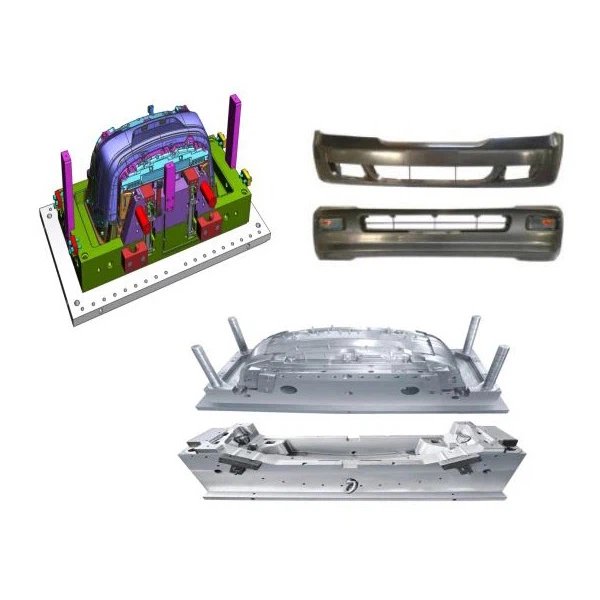
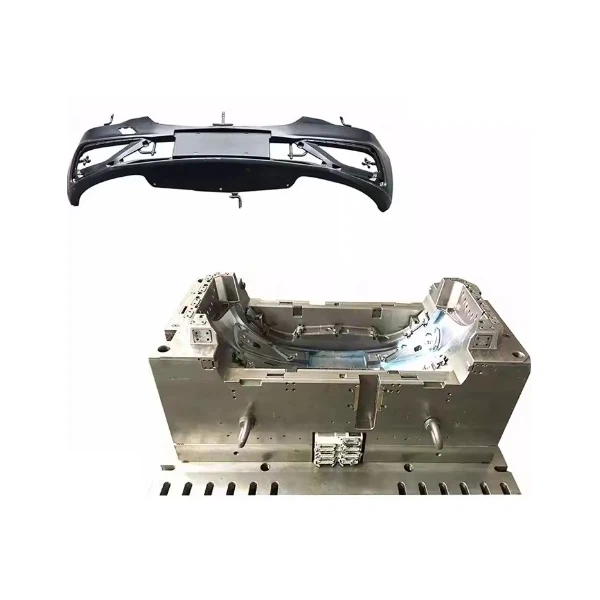
At our company, we offer a wide range of grille moulds, including Grille Cover Mould, Air Conditioner Grille Mold, and Automotive Radiator Grille Tooling Mold. All of our moulds are carefully designed and manufactured to have excellent corrosion resistance.
We use high - quality materials, such as stainless steel and specialized alloys, in the production of our moulds. Our manufacturing process includes advanced surface treatment techniques to further enhance the corrosion resistance of the moulds. Before delivering the moulds to our customers, we conduct rigorous quality inspections to ensure that they meet our high standards of corrosion resistance.
Conclusion
In conclusion, the corrosion resistance of a grille mould is a critical factor that affects its performance, longevity, and the quality of the grille products it produces. As a grille mould supplier, we understand the importance of providing moulds with excellent corrosion resistance. Our commitment to using high - quality materials, advanced manufacturing processes, and strict quality control measures ensures that our customers receive grille moulds that can withstand the challenges of their operating environments.
If you are in the market for high - quality grille moulds with superior corrosion resistance, we invite you to contact us for more information and to discuss your specific requirements. Our team of experts is ready to assist you in finding the perfect grille mould solution for your business.
References
- Callister, W. D., & Rethwisch, D. G. (2017). Materials Science and Engineering: An Introduction. Wiley.
- Ashby, M. F., & Jones, D. R. H. (2012). Engineering Materials 1: An Introduction to Properties, Applications and Design. Butterworth - Heinemann.