

As a seasoned Grille Cover Mould supplier, I've witnessed firsthand the importance of proper storage methods for these precision tools. Grille cover moulds are not only expensive to manufacture but also crucial for producing high - quality automotive grille covers. Incorrect storage can lead to a multitude of issues, such as corrosion, deformation, and damage to delicate components, which can ultimately affect the performance and lifespan of the mould. In this blog, I'll share the best practices for storing grille cover moulds to ensure their longevity and optimal functionality.
Understanding the Characteristics of Grille Cover Moulds
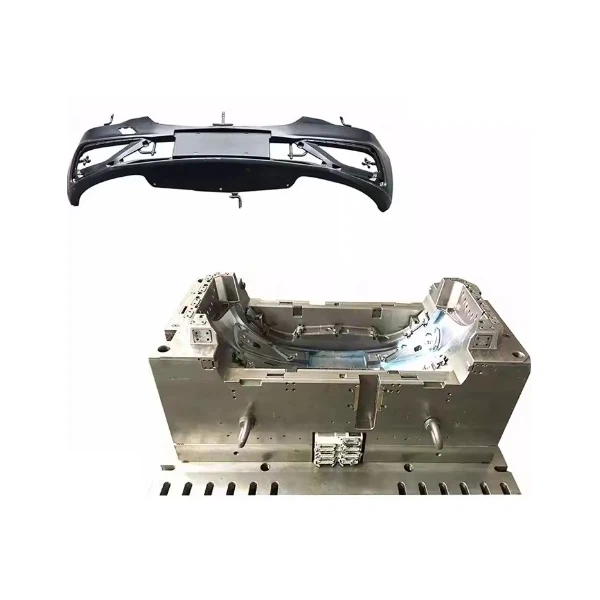
Before delving into storage methods, it's essential to understand the unique characteristics of grille cover moulds. These moulds are typically made from high - strength steel or aluminum alloys, which provide the necessary durability and precision for injection molding processes. They often feature complex geometries and fine details to create the intricate patterns and designs found on automotive grille covers.
The surfaces of grille cover moulds are highly polished to ensure smooth part ejection and high - quality surface finishes on the final products. Any scratches, dents, or rust on the mould surface can result in defects on the grille covers, such as rough spots, flow marks, or uneven color distribution. Additionally, the internal components of the mould, such as cooling channels and ejector pins, need to be protected to maintain proper functionality.
Pre - storage Preparation
Proper pre - storage preparation is the first step in ensuring the safe storage of grille cover moulds. After each use, the mould should be thoroughly cleaned to remove any residual plastic, lubricants, or contaminants. This can be done using a suitable cleaning agent and a soft brush or cloth. Special attention should be paid to the intricate areas of the mould, such as the cavities and cores, to ensure that all debris is removed.
Once the mould is clean, it should be inspected for any signs of wear, damage, or corrosion. Any issues found during the inspection should be addressed immediately. Minor scratches can be repaired by polishing, while more significant damage may require welding or machining. After the repairs are completed, the mould should be re - inspected to ensure that it meets the required specifications.
Before storing the mould, a protective coating should be applied to prevent corrosion. There are various types of anti - corrosion coatings available, such as rust inhibitors and waxes. The coating should be applied evenly to all exposed surfaces of the mould, including the cavities, cores, and external surfaces. It's important to follow the manufacturer's instructions when applying the coating to ensure its effectiveness.
Storage Environment
The storage environment plays a critical role in the preservation of grille cover moulds. The ideal storage location should be clean, dry, and temperature - controlled. High humidity levels can cause corrosion on the mould surfaces, while extreme temperatures can lead to thermal expansion and contraction, which may result in deformation of the mould.

A storage facility with a relative humidity of less than 50% is recommended. If the humidity in the storage area cannot be controlled naturally, dehumidifiers can be used to maintain the desired humidity level. The temperature in the storage area should be kept between 10°C and 30°C to prevent any adverse effects on the mould material.
The storage area should also be protected from dust, dirt, and other contaminants. Moulds should be stored in a dedicated storage rack or cabinet to prevent them from coming into contact with other objects that could cause damage. The storage rack should be sturdy and well - organized, with sufficient space between each mould to allow for easy access and inspection.
Storage Orientation
The orientation of the grille cover mould during storage is also important. Moulds should be stored in a horizontal position to prevent any deformation due to gravity. If the mould has a large or heavy component, additional support may be required to ensure that it remains stable during storage.
For moulds with complex geometries or multiple components, it's advisable to disassemble them before storage. This not only makes it easier to clean and inspect the individual components but also reduces the risk of damage during storage. Each component should be labeled and stored in a separate container or compartment to ensure that they can be easily reassembled when needed.
Regular Inspection and Maintenance
Even when stored properly, grille cover moulds require regular inspection and maintenance. During the inspection, the mould should be checked for any signs of corrosion, damage, or wear. The protective coating should also be inspected to ensure that it is still intact. If the coating has worn off or become damaged, it should be reapplied.
The internal components of the mould, such as the cooling channels and ejector pins, should be inspected for proper functionality. Any blockages in the cooling channels should be cleared, and the ejector pins should be lubricated to ensure smooth operation. Regular maintenance helps to identify and address any potential issues before they become serious problems, which can save time and money in the long run.
Benefits of Proper Storage
Proper storage of grille cover moulds offers several benefits. Firstly, it extends the lifespan of the mould, reducing the need for frequent replacements. This can result in significant cost savings for the manufacturer. Secondly, it ensures the production of high - quality grille covers. By maintaining the integrity of the mould, the final products will have fewer defects and a better surface finish.
Proper storage also improves the efficiency of the production process. When the mould is stored correctly, it can be quickly retrieved and put into use without the need for extensive cleaning or repairs. This reduces downtime and increases the overall productivity of the manufacturing facility.
Conclusion
In conclusion, the best way to store a grille cover mould involves a combination of pre - storage preparation, a suitable storage environment, proper storage orientation, and regular inspection and maintenance. By following these best practices, as a Grille Cover Mould supplier, I can ensure that our customers' moulds remain in excellent condition for years to come.
If you're in the market for high - quality Grille Cover Mould, Automotive Radiator Grille Tooling Mold, or Automotive Grille Injection Mould, feel free to reach out to us for more information and to discuss your specific requirements. We're committed to providing top - notch products and services to meet your automotive moulding needs.
References
- "Mould Design and Manufacturing Handbook"
- "Automotive Plastics and Composites: Technology, Applications, and Markets"
- Industry standards and guidelines for mould storage and maintenance