

As a supplier of plastic toy molds, safety is paramount in our products. In the manufacturing process of plastic toy molds, a series of strict safety considerations need to be followed to ensure that the molded toys are safe for children and other users. This blog will delve into the key safety aspects that cannot be overlooked when using plastic toy molds.
Material Safety
The choice of materials for plastic toy molds directly impacts the performance and safety of the final product. First and foremost, the raw materials used for manufacturing molds must be of high quality. This includes using high - strength and heat - resistant steel for the mold base. For example, P20 steel is a popular choice due to its good machinability, polishability, and wear resistance. The steel should be free from any harmful impurities that could potentially contaminate the plastic during the molding process.
When it comes to the plastics used for toy production with these molds, they must comply with strict international standards. For instance, the European Union's REACH (Registration, Evaluation, Authorization, and Restriction of Chemicals) regulation restricts the use of certain hazardous substances such as phthalates, lead, and cadmium in toys. These substances can be harmful to children's health, especially when they are in direct contact with the toys or put the toys in their mouths. As a responsible supplier, we ensure that the plastic materials recommended for use with our Plastic Toy Injection Mould meet all relevant safety standards.
Design Safety
The design of plastic toy molds plays a crucial role in ensuring toy safety. The mold design should prevent the formation of sharp edges or points on the molded toys. Sharp edges can cause cuts or scratches to children, which is a significant safety hazard. During the design phase, we use advanced CAD (Computer - Aided Design) software to create smooth and rounded shapes for the mold cavities.
Another important design aspect is the prevention of small parts. Ingestion of small parts by children is a common safety concern, especially for children under the age of three. Our mold design takes into consideration the overall size and structure of the toy to ensure that no small, detachable parts are created during the molding process. For complex toys with multiple components, we design the mold in such a way that the parts are securely attached during the molding or assembly process.
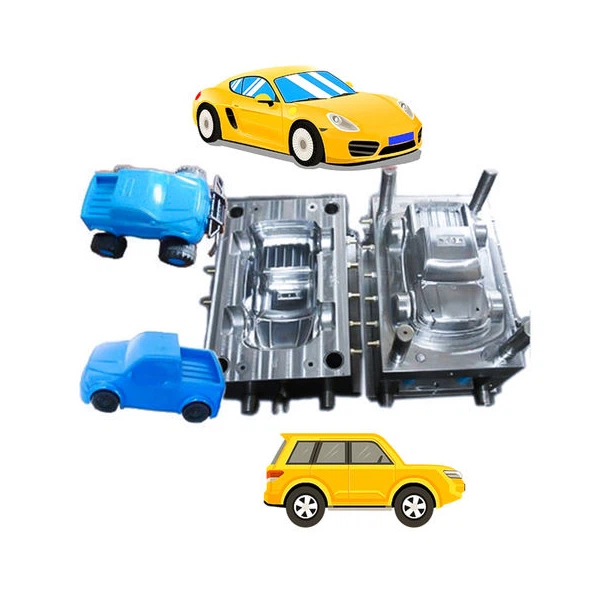

Manufacturing Process Safety
During the manufacturing of plastic toy molds, strict safety protocols must be followed. In the machining process, operators should wear appropriate personal protective equipment (PPE), such as goggles, gloves, and ear protection. The machining equipment, such as CNC (Computer Numerical Control) machines, should be regularly maintained and inspected to ensure safe operation.
In the heat treatment process, which is used to improve the hardness and strength of the mold, proper temperature control is essential. Overheating can cause the mold material to become brittle, while under - heating may not achieve the desired mechanical properties. We use advanced heat treatment equipment with precise temperature control to ensure the quality and safety of the molds.
Operational Safety
When using plastic toy molds for toy production, operators need to be well - trained. They should understand the correct operating procedures, including the proper installation of the mold in the injection molding machine, the setting of the appropriate injection pressure and temperature, and the handling of the molded toys.
Regular maintenance of the molds is also crucial for operational safety. Molds should be cleaned after each production cycle to remove any residual plastic or debris. This helps to prevent blockages in the mold cavities and ensures the consistent quality of the molded toys. Additionally, the mold's moving parts, such as slides and ejectors, should be lubricated regularly to prevent wear and tear and ensure smooth operation.
Safety in Specialized Toy Molds
In addition to general plastic toy molds, we also offer specialized molds such as Child Safety Seat Mold and Baby Car Mold. These molds require even higher safety standards.
For child safety seat molds, the design must ensure the proper shape and structure of the safety seat to provide maximum protection for children. The mold should be able to produce seats with high - strength materials that can withstand the forces in the event of a collision. The surface finish of the molded safety seat should be smooth to prevent any discomfort or injury to the child.
Baby car molds also need to meet strict safety requirements. The molded baby cars should have no loose parts that could pose a choking hazard. The wheels and other moving parts should be securely attached to prevent detachment during use. The overall design of the baby car should be stable to prevent tipping over.
Quality Control
Quality control is an integral part of ensuring the safety of plastic toy molds and the toys they produce. We have a comprehensive quality control system in place. This includes in - process inspections during the mold manufacturing process to detect any potential defects early. After the mold is completed, it undergoes a series of tests, such as dimensional accuracy tests and functional tests.
For the toys produced using our molds, we conduct random sampling inspections. These inspections include tests for mechanical properties, chemical composition, and flammability. Only when the toys meet all the safety standards can they be released for the market.
Conclusion
In conclusion, safety is a multi - faceted consideration when using plastic toy molds. From material selection and design to manufacturing, operation, and quality control, every step is crucial to ensure the safety of the final toys. As a plastic toy mold supplier, we are committed to providing high - quality and safe molds to our customers.
If you are interested in our plastic toy molds, including Child Safety Seat Mold, Plastic Toy Injection Mould, and Baby Car Mold, we welcome you to contact us for procurement and further discussions. We are ready to provide you with professional solutions and excellent service.
References
- European Union, "REACH Regulation (EC) No 1907/2006", Official Journal of the European Union.
- ASTM International, "ASTM F963 - 17 Standard Consumer Safety Specification for Toy Safety", ASTM International.