

Hey there! As a supplier of Plastic Spool Moulds, I've seen firsthand the ins and outs of these handy tools. They're super useful in a bunch of industries, but like anything, they've got their limitations. Let's dive right in and take a look at what these limitations are.
1. Material Constraints
One of the biggest limitations of a plastic spool mould is the type of materials it can work with. Not all plastics are created equal, and some just don't play well with certain moulds. For instance, high - temperature plastics like PEEK (polyether ether ketone) can be a real pain to use in a standard plastic spool mould. These plastics require extremely high melting points, and most plastic spool moulds aren't designed to handle such high temperatures.
The mould itself is usually made of steel or aluminum, and if the temperature gets too high, it can cause the mould to warp or even crack. This not only affects the quality of the spool being produced but also shortens the lifespan of the mould.
Another issue with material is the viscosity. Some plastics have a very high viscosity, which means they don't flow easily. When trying to inject these high - viscosity plastics into a plastic spool mould, it can lead to incomplete filling of the mould cavity. This results in spools with thin spots or even holes, which are no good for any application.
If you're interested in different types of plastic spool moulds, you can check out our Injection Plastic Spool Bobbin Mould and Plastic Bobbin Coil Mold pages for more details.
2. Design Complexity
Designing a plastic spool might seem simple at first glance, but when it comes to the mould, things can get pretty complicated. The more complex the design of the spool, the more difficult it is to create a mould that can produce it accurately.
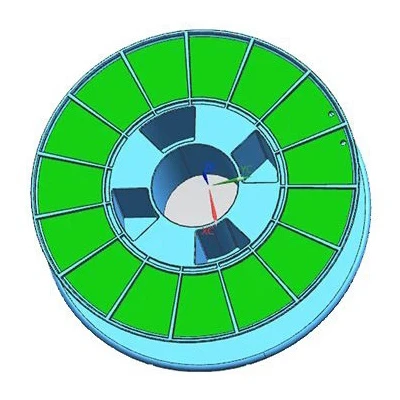
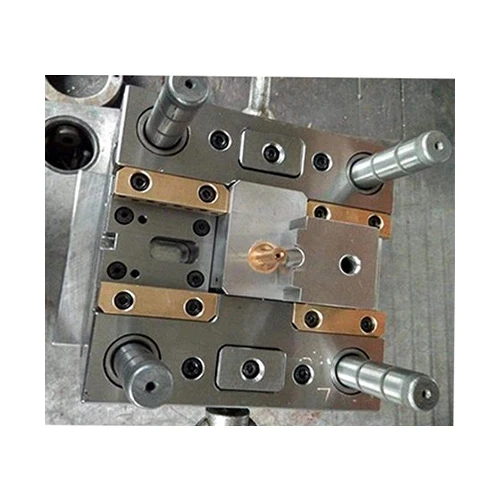
For example, if you want a spool with intricate patterns or small details, the mould has to be machined with extreme precision. This not only increases the cost of the mould but also the production time. Any small error in the machining process can lead to defects in the final product.
Also, undercuts in the spool design can be a real headache. Undercuts are parts of the design that prevent the spool from being easily ejected from the mould. To deal with undercuts, additional mechanisms like slides or lifters need to be incorporated into the mould. These extra components add to the complexity and cost of the mould, and they also increase the chances of something going wrong during the production process.
3. Production Speed
When it comes to mass - producing plastic spools, production speed is crucial. However, plastic spool moulds have their limitations in this area. The cooling time of the plastic inside the mould is a major factor that affects production speed.
Once the molten plastic is injected into the mould, it needs to cool and solidify before the spool can be ejected. The thicker the walls of the spool, the longer the cooling time. This means that if you're producing spools with thick walls, the overall production speed will be slower.
Also, the size of the mould can impact production speed. Larger moulds take longer to heat up and cool down, which adds to the cycle time. And if there are any issues with the cooling system of the mould, such as blocked coolant channels, it can further slow down the production process.
4. Wear and Tear
Plastic spool moulds are subject to a lot of wear and tear over time. Every time the mould is used, it goes through the process of heating, cooling, and being filled with molten plastic. This repeated stress can cause the surface of the mould to wear down.
The constant friction between the plastic and the mould surface can lead to scratches and abrasions. These surface imperfections can transfer to the spools being produced, resulting in a poor - quality finish.
Moreover, the chemical reactions between the plastic and the mould material can also cause corrosion. This is especially true for plastics that contain additives or are acidic in nature. Corrosion can weaken the structure of the mould and eventually lead to its failure.
To minimize wear and tear, regular maintenance of the mould is essential. This includes cleaning, lubricating, and inspecting the mould for any signs of damage. But even with proper maintenance, the mould will still have a limited lifespan.
5. Cost
Let's talk about cost. Plastic spool moulds can be quite expensive, especially if you need a custom - designed mould. The cost of materials, machining, and any additional features like slides or lifters all add up.
For small - scale production, the high cost of the mould can be a major deterrent. It might not be cost - effective to invest in a mould if you're only producing a small number of spools.
Even for large - scale production, the cost of the mould needs to be factored into the overall cost of production. And if there are any changes to the design of the spool during the production process, it can mean additional costs for modifying the mould.
6. Environmental Impact
In today's world, environmental impact is a big deal. Plastic spool moulds are part of the plastic manufacturing industry, which has a significant environmental footprint.
The production of plastic spools requires a large amount of energy, from melting the plastic to operating the injection moulding machine. This energy consumption contributes to greenhouse gas emissions.
Also, the disposal of plastic spools at the end of their life cycle is a problem. Most plastics are not biodegradable, and they can end up in landfills or the ocean, causing pollution.
As a supplier, we're aware of these issues and are constantly looking for ways to reduce the environmental impact of our products. For example, we're exploring the use of more sustainable plastics and improving the energy efficiency of our moulds.
If you're in the market for a Cable Spool Mould or any other type of plastic spool mould, despite these limitations, we've got solutions to meet your needs. We can work with you to find the best material, design, and production process to minimize the impact of these limitations.
If you're interested in learning more about our plastic spool moulds or have any questions, don't hesitate to reach out to us. We're always happy to have a chat and discuss how we can help you with your plastic spool production needs. Whether you're a small business or a large corporation, we've got the expertise and the products to meet your requirements. So, let's start a conversation and see how we can work together to get the best results for your plastic spool projects.
References
- "Plastic Injection Molding Handbook" by O. Olajide
- "Mould Design and Manufacturing" by J. Smith
- Industry reports on plastic spool production and mould technology