

In the dynamic world of manufacturing, helmet moulds play a pivotal role in producing high - quality helmets that ensure the safety of countless individuals. As a seasoned helmet mould supplier, I have witnessed firsthand the importance of adhering to legal requirements in this specialized field. This blog post aims to delve into the legal requirements for helmet mould manufacturing, offering insights for both industry newcomers and established players.
General Manufacturing Regulations
Before delving into the specificities of helmet mould manufacturing, it's essential to understand the general manufacturing regulations that apply across the board. These regulations are designed to ensure the safety of workers, protect the environment, and maintain product quality.
One of the fundamental aspects is workplace safety. Manufacturing facilities must comply with occupational health and safety standards. This includes providing a safe working environment, proper training for employees, and the use of appropriate safety equipment. For example, workers involved in the manufacturing of helmet moulds may be exposed to various hazards such as sharp tools, heavy machinery, and potentially harmful chemicals. Therefore, employers are required to implement safety measures such as machine guarding, personal protective equipment (PPE) programs, and regular safety inspections.
Environmental regulations also play a crucial role. Helmet mould manufacturing may involve processes such as machining, grinding, and the use of chemicals. These processes can generate waste, emissions, and other environmental pollutants. Manufacturers must comply with local, national, and international environmental laws. This may include proper waste disposal, reducing emissions, and using environmentally friendly materials whenever possible.
Industry - Specific Standards for Helmet Moulds
In addition to general manufacturing regulations, helmet mould manufacturing is subject to industry - specific standards. These standards are developed to ensure that the moulds produce helmets that meet the necessary safety requirements.
Design and Quality Standards
The design of a helmet mould is of utmost importance. It must be able to produce helmets that conform to the relevant safety standards. For example, in the United States, helmets for different applications such as cycling, motorcycle riding, and construction are subject to specific standards set by organizations like the Consumer Product Safety Commission (CPSC) and the American National Standards Institute (ANSI).
The mould design should ensure that the helmet has the correct shape, thickness, and structural integrity. This requires precise engineering and the use of high - quality materials. The materials used in the mould should be able to withstand the high pressures and temperatures involved in the manufacturing process without deforming or degrading.
Quality control is another critical aspect. Manufacturers are required to implement a comprehensive quality control system to ensure that each mould meets the required standards. This may involve inspection at various stages of the manufacturing process, from raw material inspection to final product testing. For instance, non - destructive testing methods such as ultrasonic testing can be used to detect any internal defects in the mould.
Safety and Performance Standards
Helmet moulds must be designed to produce helmets that meet specific safety and performance standards. These standards typically cover areas such as impact resistance, penetration resistance, and retention system strength.

Impact resistance is one of the most important safety features of a helmet. The mould must be able to produce helmets that can absorb and dissipate the energy of an impact, reducing the risk of head injury. To test the impact resistance of helmets produced by the mould, standardized test methods are used. For example, the drop test is a common method where a helmet is dropped from a specified height onto an anvil to simulate an impact.
Penetration resistance is also crucial, especially for helmets used in high - risk environments. The mould should ensure that the helmet can resist penetration by sharp objects. This is typically tested by using a pointed object to strike the helmet at a specified velocity.
The retention system of a helmet, such as the straps and buckles, must also be strong enough to keep the helmet in place during an impact. The mould should be designed to produce helmets with a properly functioning retention system that meets the relevant standards.
Intellectual Property and Licensing
Intellectual property rights are an important consideration in helmet mould manufacturing. Manufacturers must ensure that they do not infringe on the patents, trademarks, or copyrights of others. This means conducting thorough research before starting the design and manufacturing process to ensure that the mould design is original or that they have the necessary licenses to use existing designs.

Patents can protect new and innovative mould designs. If a manufacturer develops a unique mould design, they may want to consider applying for a patent to prevent others from using or copying their design. Trademarks are also important, especially for branding purposes. A manufacturer's brand name and logo should be protected through trademark registration to prevent confusion in the market.
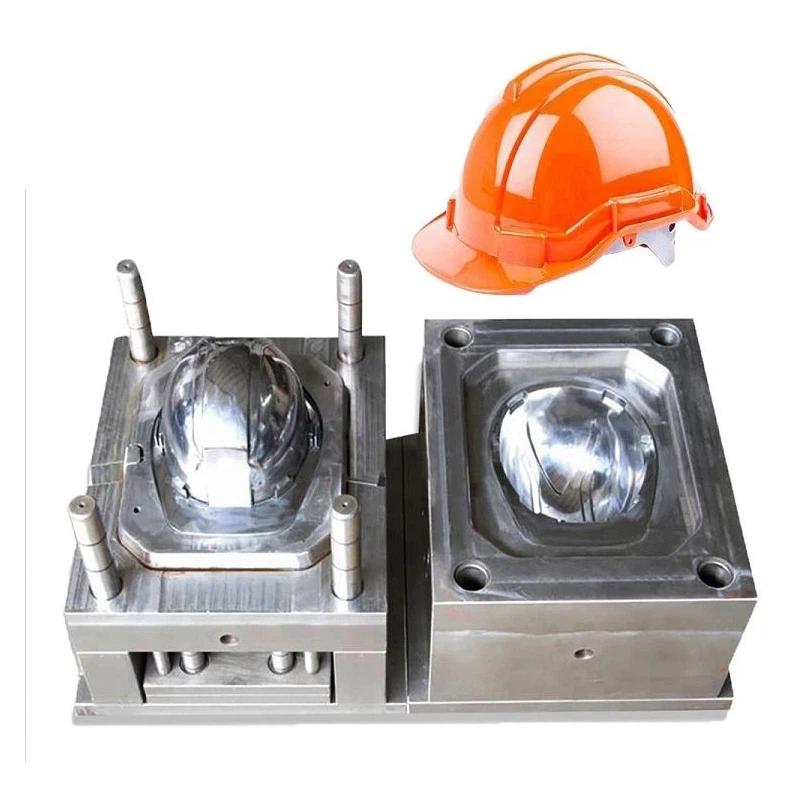
In some cases, manufacturers may need to obtain licenses to use certain technologies or materials in their helmet mould manufacturing. For example, if a new type of high - strength material is patented, the manufacturer may need to obtain a license from the patent holder to use that material in their moulds.
Certification and Documentation
Certification is an important part of the legal requirements for helmet mould manufacturing. Manufacturers may need to obtain various certifications to demonstrate that their moulds and the helmets they produce meet the relevant standards.
One of the most common certifications is the ISO (International Organization for Standardization) certification. ISO 9001, for example, is a quality management system certification that can help manufacturers demonstrate their commitment to quality and continuous improvement. ISO 14001 is an environmental management system certification that shows a manufacturer's compliance with environmental regulations.
In addition to ISO certifications, there may be industry - specific certifications. For example, in the motorcycle helmet industry, the ECE (Economic Commission for Europe) certification is widely recognized. This certification ensures that the helmets produced by the mould meet the safety requirements set by the ECE.
Proper documentation is also essential. Manufacturers must keep detailed records of their manufacturing processes, quality control measures, and test results. This documentation can be used to prove compliance with legal requirements and to provide evidence in case of any disputes or audits.
Compliance with International Regulations
As a helmet mould supplier, I understand the importance of complying with international regulations, especially if the moulds are intended for export. Different countries and regions may have their own set of regulations and standards for helmet moulds and helmets.
For example, in the European Union, the CE marking is required for many products, including helmets. This marking indicates that the product complies with the relevant EU directives. Manufacturers must ensure that their helmet moulds are capable of producing helmets that meet the requirements for the CE marking.
In Asia, countries like Japan and South Korea also have their own safety standards for helmets. Manufacturers need to be aware of these standards and ensure that their moulds can produce helmets that meet them.
Conclusion
In conclusion, helmet mould manufacturing is subject to a wide range of legal requirements, from general manufacturing regulations to industry - specific standards, intellectual property rights, and international regulations. As a [Helmet Mould Supplier], I am committed to ensuring that all our helmet moulds, including Safety Helmet Mould, Helmet Injection Mold, and Plastic Safety Helmet Mould, comply with these requirements.
Adhering to these legal requirements not only ensures the safety and quality of the helmets produced but also helps to build trust with customers. If you are in the market for high - quality helmet moulds that meet all the necessary legal requirements, we invite you to contact us for a procurement discussion. Our team of experts is ready to assist you in finding the perfect solution for your helmet manufacturing needs.
References
- Consumer Product Safety Commission (CPSC)
- American National Standards Institute (ANSI)
- International Organization for Standardization (ISO)
- Economic Commission for Europe (ECE)