

What are the differences between plastic spool moulds for different industries?
As a supplier of plastic spool moulds, I've had the privilege of working closely with various industries. Each industry has unique requirements for plastic spools, and these demands are directly reflected in the design and functionality of the corresponding moulds. In this blog, I'll explore the key differences between plastic spool moulds tailored for different sectors.
Textile Industry
The textile industry is one of the major consumers of plastic spools. In this sector, plastic spools are used to wind yarns, threads, and fibers. The Plastic Cone Bobbin Mould is a common type used here.
The design of textile spool moulds focuses on smooth surfaces and precise dimensions. Yarns and threads are delicate, and any rough edges or irregularities on the spool can cause damage to the fibers. Therefore, the moulds need to be machined with high precision to ensure the spools have a seamless finish.
Moreover, textile spools often need to be lightweight to facilitate easy handling during the weaving or knitting processes. The moulds are designed to produce spools with thin walls while maintaining sufficient strength. This requires the use of advanced materials and injection - molding techniques. For example, the moulds may be made from high - grade steel that can withstand the high - pressure injection process without deforming, ensuring the consistent quality of the spools.
The shape of textile spools is also an important consideration. Cone - shaped bobbins are popular as they allow for efficient winding and unwinding of the yarn. The moulds are crafted to create the specific taper and shape of the cone, which is crucial for the proper functioning of the textile machinery.
Electrical and Electronics Industry
In the electrical and electronics industry, plastic spools are used to wind cables, wires, and coils. The Injection Plastic Spool Bobbin Mould is frequently employed in this field.
One of the primary differences from textile spool moulds is the emphasis on electrical insulation properties. The spools need to prevent electrical leakage and short - circuits, so the plastic materials used in the moulding process are carefully selected. These materials typically have high dielectric strength and good resistance to heat and chemicals.
The design of electrical spool moulds also takes into account the management of wires and cables. They often feature compartments, flanges, and grooves to keep the wires organized and prevent tangling. The moulds are engineered to create these intricate structures with high accuracy. For instance, the flanges need to be of the right height and thickness to provide sufficient support for the wound cables without adding excessive weight.
In addition, electrical spools may need to be more robust and durable compared to textile spools. They are often subjected to mechanical stress during the cable - winding and installation processes. The moulds are designed to produce spools with thicker walls and stronger structures, which may require different injection pressures and cooling times during the manufacturing process.
Cable and Wire Industry
The cable and wire industry has its own set of requirements for plastic spool moulds. The Cable Spool Plastic Injection Mold is specifically designed for this industry.
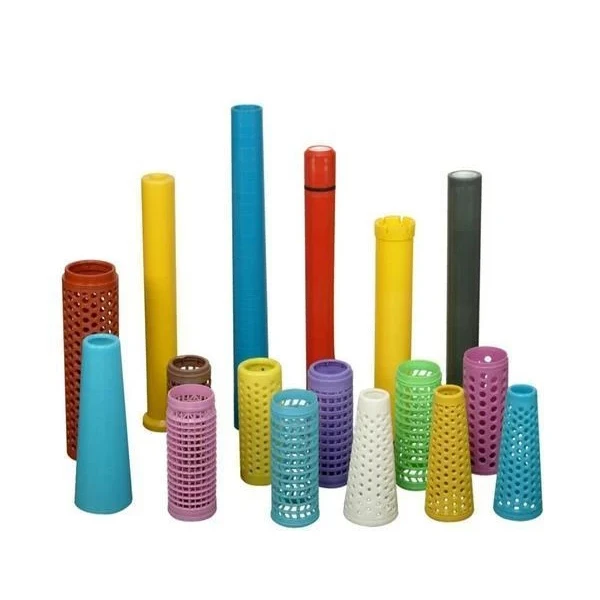
Size is a significant factor in cable spool moulds. Since cables can be very long and heavy, the spools need to be large enough to accommodate them. The moulds are built to produce spools with large diameters and wide flanges. This requires specialized machinery and manufacturing techniques to ensure the uniform distribution of plastic material during the injection - molding process.
Another important aspect is the load - bearing capacity of the spools. Cable spools are often transported and stored with heavy cables wound around them. The moulds are designed to create spools with reinforced structures, such as ribbed walls or internal supports. These features enhance the strength of the spools and prevent deformation under heavy loads.
The surface finish of cable spools also matters. A smooth surface helps to reduce friction between the cable and the spool during the winding and unwinding processes, which can improve the efficiency of cable handling. The moulds are polished to a high degree to achieve this smooth surface.
Packaging Industry
In the packaging industry, plastic spools are used for various purposes, such as holding ribbons, tapes, and small wires. The requirements for plastic spool moulds in this industry are somewhat different from the previous ones.
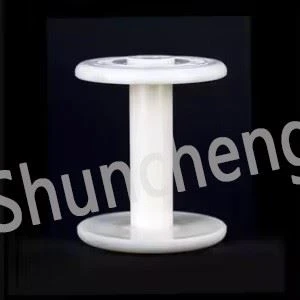
Aesthetics play a more significant role in the packaging industry. The spools need to have an attractive appearance to enhance the overall presentation of the packaged products. The moulds are designed to create spools with smooth, shiny surfaces and can also incorporate features like color - coding or branding.
Lightweight and cost - effectiveness are also important considerations. Since packaging materials are often used in large quantities, the spools need to be inexpensive to produce and easy to handle. The moulds are optimized to use less plastic material while still maintaining the necessary strength and functionality. For example, they may be designed with thinner walls or hollow structures in non - critical areas.
The size and shape of packaging spools are more diverse compared to other industries. They can range from small, compact spools for delicate ribbons to larger ones for industrial tapes. The moulds need to be flexible enough to produce a variety of sizes and shapes to meet the different packaging needs.
Automotive Industry
The automotive industry uses plastic spools for winding wires and cables in vehicles. The moulds for automotive plastic spools have their own unique characteristics.
High - temperature resistance is a crucial requirement. The spools need to withstand the elevated temperatures inside the vehicle's engine compartment or other areas where electrical systems are located. The plastic materials used in the moulding process are selected for their ability to maintain their mechanical properties at high temperatures.
The moulds are also designed to produce spools with high precision to ensure proper fit and function within the automotive electrical systems. The spools need to be compatible with the automated assembly processes used in the automotive industry. This means that the dimensions and tolerances of the spools need to be extremely accurate.
In addition, automotive spools may need to be resistant to chemicals and oils that are commonly found in vehicles. The moulds are engineered to create spools with a protective surface or use materials that are inherently resistant to these substances.
Conclusion
In conclusion, the differences between plastic spool moulds for different industries are significant. These differences stem from the unique requirements of each industry, including the properties of the materials to be wound, the operating conditions, and the manufacturing processes involved. As a plastic spool mould supplier, it's essential to understand these differences to design and produce moulds that meet the specific needs of our customers.
If you're in need of high - quality plastic spool moulds for your industry, whether it's the textile, electrical, cable, packaging, or automotive sector, I encourage you to reach out to us. We have the expertise and experience to provide customized solutions that are tailored to your exact requirements. Let's start a conversation about your project and find the best plastic spool mould for your business.
References
- Smith, J. (2018). "Plastic Mould Design for Different Industrial Applications." Journal of Industrial Manufacturing.
- Johnson, A. (2019). "Advances in Plastic Spool Moulding Technology." International Journal of Materials Science.
- Brown, L. (2020). "Industry - Specific Requirements for Plastic Spools." Manufacturing Review.