

Hey there! As a supplier of washing machine moulds, I've been in the thick of it when it comes to ensuring top - notch quality. Quality control in washing machine mould production is super crucial, and there are several key points that I'd like to share with you.
Material Selection
First off, material selection is the foundation of a good washing machine mould. You can't just pick any old metal. The mould has to withstand high pressure, temperature changes, and constant wear and tear. We usually go for high - quality alloy steels. These steels offer excellent strength, toughness, and corrosion resistance. For example, some of the popular choices are P20 and H13 steels. P20 is great for pre - hardened moulds as it has good machinability and polishability. H13, on the other hand, is a hot - work tool steel that can handle the high temperatures during the injection - moulding process.
We source our materials from trusted suppliers. We check the material certificates to make sure they meet the required standards. If the material quality is off, it can lead to all sorts of problems later on, like cracks in the mould or poor surface finish on the washing machine parts. Imagine if the Washing Machine Seat Mould is made from low - quality steel. The seat might not have the right shape or durability, which can affect the overall performance of the washing machine.
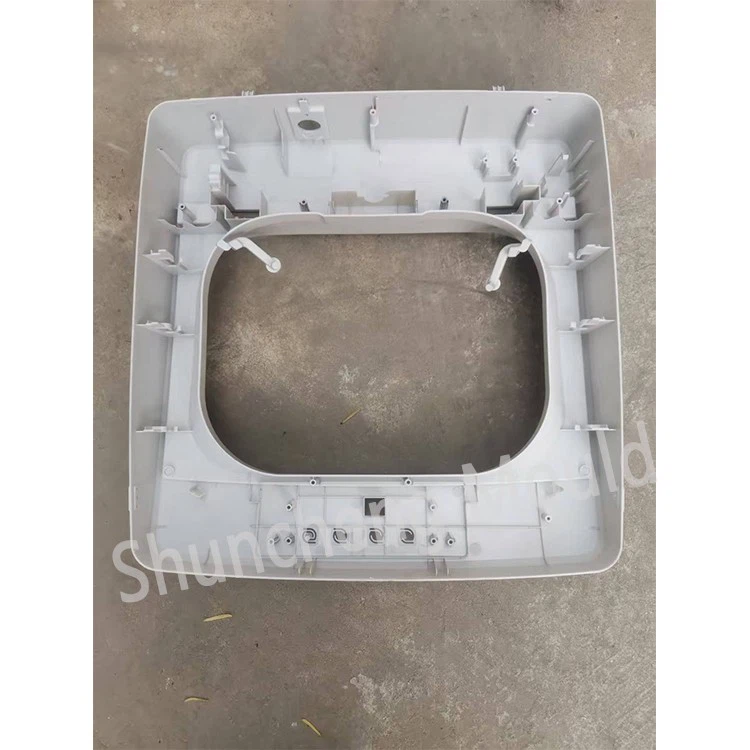
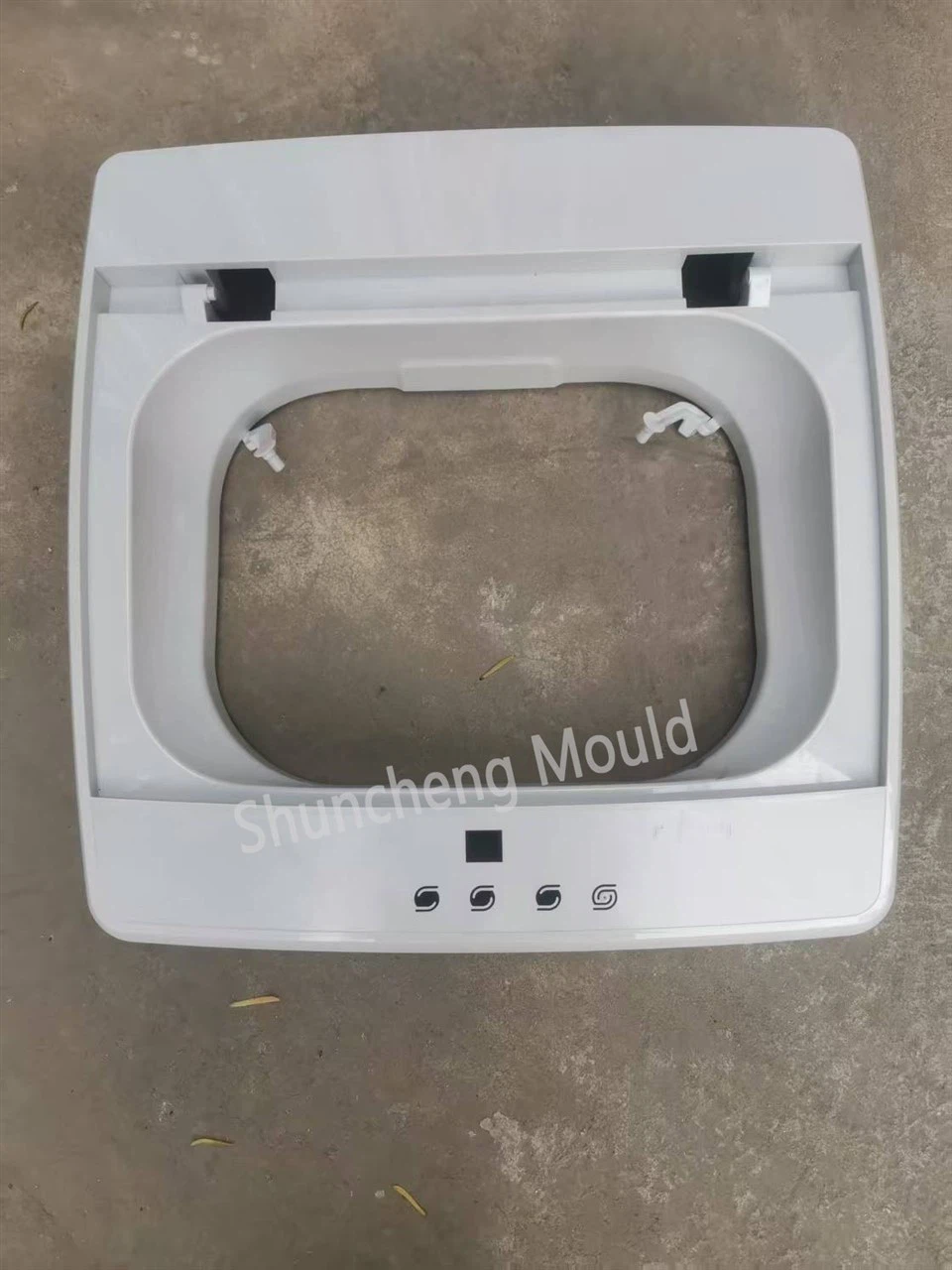
Precision Machining
Once we've got the right material, precision machining comes into play. The dimensions of a washing machine mould need to be spot - on. Even a tiny deviation can cause issues with the final product. We use advanced CNC (Computer Numerical Control) machining technology. This allows us to control the cutting tools with extreme accuracy.
For instance, when making the Washing Machine Base Mould, the base has to fit perfectly with the rest of the washing machine components. So, we program the CNC machines to cut the mould with tolerances as small as a few micrometers. We also use in - process inspection during machining. This means we check the dimensions at different stages of the machining process to catch any errors early. If we find a problem, we can make adjustments right away instead of waiting until the whole machining is done.
Heat Treatment
Heat treatment is another key step in quality control. It can significantly improve the mechanical properties of the mould. After machining, we subject the mould to heat treatment processes like quenching and tempering. Quenching hardens the steel, while tempering relieves the internal stresses and makes the steel more ductile.
The heat treatment process has to be carefully controlled. The temperature, heating rate, and cooling rate all matter. If the quenching temperature is too high, the steel can become brittle. If it's too low, it won't harden properly. We use specialized heat - treatment equipment and follow strict procedures. After heat treatment, we test the hardness of the mould to make sure it meets the design requirements. This is especially important for Washing Machine Injection Mould as it has to endure high - pressure injection of plastic materials.
Surface Finishing
The surface finish of a washing machine mould is not just about looks. It affects the quality of the final washing machine parts. A smooth surface finish can prevent defects like scratches and burrs on the plastic parts. We use a combination of grinding, polishing, and texturing techniques.
For grinding, we use different grits of abrasive wheels to gradually smooth the surface. Then, we move on to polishing. Polishing can give the mould a mirror - like finish. Sometimes, we also add textures to the mould surface. Textures can be used for aesthetic purposes or to improve the grip on certain parts of the washing machine. We check the surface roughness using surface - roughness measuring instruments to ensure it meets the customer's specifications.
Assembly and Testing
After all the individual parts of the mould are made, it's time for assembly. Assembly has to be done carefully. Each component should fit together perfectly. We use alignment tools and fixtures to ensure proper alignment during assembly.
Once the mould is assembled, we conduct a series of tests. We do a trial run of the injection - moulding process. This helps us check if the mould can produce parts with the right shape, size, and quality. We look for any signs of flashing (excess plastic around the edges), short - shots (incomplete filling of the mould), or other defects. If we find any problems, we disassemble the mould, identify the root cause, and make the necessary repairs or adjustments.
Quality Management System
To ensure consistent quality, we have a comprehensive quality management system in place. This system covers every aspect of the production process, from material procurement to final product delivery. We follow international standards like ISO 9001.
We train our employees regularly to make sure they understand the quality requirements and how to meet them. We also keep detailed records of every step of the production process. These records can be used for traceability. If there's a quality issue down the line, we can go back and see exactly what happened at each stage.
Continuous Improvement
Quality control is not a one - time thing. We're always looking for ways to improve. We collect feedback from our customers. If they have any complaints or suggestions about the moulds, we take them seriously. We analyze the data from the production process and the test results to identify areas for improvement.
For example, if we notice that a certain type of mould has a higher defect rate, we'll study the production process in detail to find out why. Maybe there's a problem with the machining parameters or the heat - treatment process. Then, we'll make changes to the process to reduce the defect rate.
If you're in the market for high - quality washing machine moulds, I'd love to talk to you. Whether you need a Washing Machine Seat Mould, Washing Machine Base Mould, or Washing Machine Injection Mould, we've got the expertise and the quality control measures in place to deliver the best products. Reach out to us to start a procurement discussion.
References
- ASM Handbook Committee. (2007). ASM Handbook Volume 4A: Heat Treating. ASM International.
- Stephenson, J., & Agapiou, J. S. (2006). Metal Cutting Theory and Practice. CRC Press.
- American Mold Builders Association. (2019). Moldmaking Technology Handbook. Society of Manufacturing Engineers.