

As a plastic chair mould supplier, I know how crucial it is to store these molds properly. A well - stored plastic chair mould not only maintains its quality but also extends its lifespan, which directly impacts your bottom line. In this blog, I'll share some tips on how to store a plastic chair mould properly.
1. Clean the Mould Thoroughly
Before storing a plastic chair mould, you've got to clean it up real good. This is the first and most important step. During the injection molding process, plastic residues, lubricants, and other contaminants can build up on the surface of the mould. If these aren't removed, they can cause corrosion and damage over time.
Use a suitable cleaning agent that won't damage the mould material. For most plastic chair moulds, a mild detergent mixed with warm water works well. Gently scrub the entire surface of the mould, including the cavities, cores, and vents. Make sure to clean all the nooks and crannies where debris might accumulate.
After scrubbing, rinse the mould thoroughly with clean water to remove any remaining cleaning agent. Then, dry it completely using a soft, lint - free cloth or compressed air. Moisture is a big enemy of moulds as it can lead to rusting, especially if the mould is made of metal. So, ensuring it's bone - dry is key.
2. Protect the Mould Surface
Once the mould is clean and dry, it's time to protect its surface. Applying a rust inhibitor or a protective coating is a great way to do this. These coatings create a barrier between the mould and the surrounding environment, preventing oxidation and corrosion.
You can choose a spray - on or brush - on rust inhibitor, depending on your preference. Make sure to follow the manufacturer's instructions when applying it. Cover the entire surface of the mould evenly, including all the moving parts and edges.
Another option is to use a plastic film or a protective wrap. This can be especially useful for larger moulds. Wrap the mould tightly with the film to keep out dust, moisture, and other contaminants. Just make sure the film doesn't scratch the mould surface.
3. Choose the Right Storage Location
The location where you store your plastic chair mould matters a whole lot. You want a place that's clean, dry, and temperature - controlled. Avoid areas with high humidity, as this can cause rust and other forms of damage.

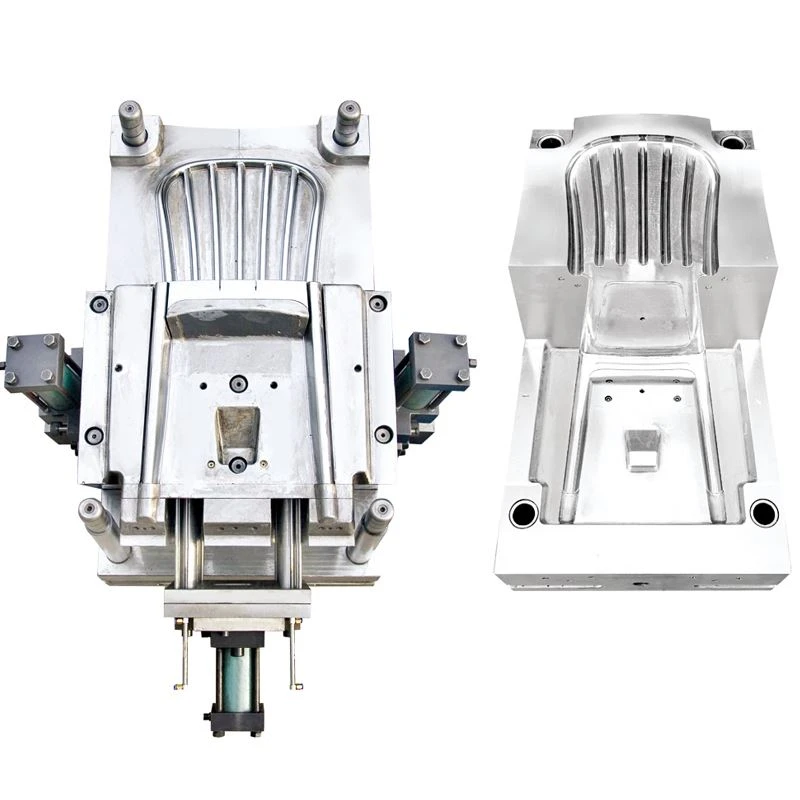
A storage room with proper ventilation is ideal. Good ventilation helps to prevent the buildup of moisture and fumes. If possible, install a dehumidifier in the storage area to maintain a low humidity level.
The temperature in the storage area should be relatively stable. Extreme temperature fluctuations can cause the mould to expand and contract, which may lead to warping or cracking. Aim for a temperature range of around 50 - 70°F (10 - 21°C).
Also, keep the mould away from direct sunlight. Sunlight can cause the plastic parts of the mould (if any) to degrade over time.
4. Organize the Storage
Proper organization in the storage area is essential. You don't want to have a jumbled mess of moulds where you can't find what you need when you need it.
Label each mould clearly with its type, size, and any other relevant information. You can use a permanent marker or a label maker for this. This will make it easier to locate and retrieve the mould when it's time for production.
Use storage racks or shelves to keep the moulds off the floor. This not only helps with organization but also prevents damage from dust, dirt, and accidental impacts. Stack the moulds carefully, making sure they're stable and won't topple over. If the moulds have any delicate parts, place them in protective containers or padded areas.
5. Inspect Regularly
Even when the mould is in storage, it's important to inspect it regularly. Set up a schedule to check on the moulds at least once every few months.
During the inspection, look for any signs of damage, such as rust, cracks, or wear and tear. Check the moving parts to make sure they're still functioning smoothly. If you notice any issues, address them right away.
Also, check the protective coatings or wraps. If they're damaged or deteriorating, re - apply them to ensure the mould is still protected.
Different Types of Plastic Chair Moulds and Their Storage Considerations
We offer various types of plastic chair moulds, such as Plastic Injection Chair Mould, Plastic Chair Injection Mould, and Plastic Rattan Chair Mould. Each type may have some specific storage requirements.
- Plastic Injection Chair Mould: These moulds are usually made of high - quality steel. While they're durable, they're still prone to rust. So, focus on keeping the surface clean and well - protected with a rust inhibitor. Also, since injection moulds have precise cavities and cores, make sure they're not damaged during storage.
- Plastic Chair Injection Mould: Similar to plastic injection chair moulds, these need to be kept clean and dry. The injection systems in these moulds are delicate, so be careful when handling them. If there are any seals or gaskets in the mould, check them regularly for signs of wear.
- Plastic Rattan Chair Mould: These moulds may have more complex surface textures to replicate the look of rattan. When cleaning, be gentle to avoid damaging the texture. Also, since they may have some plastic components, protect them from UV exposure and extreme temperatures.
Conclusion
Storing a plastic chair mould properly is a multi - step process that requires attention to detail. By cleaning the mould thoroughly, protecting its surface, choosing the right storage location, organizing the storage, and inspecting regularly, you can ensure your moulds stay in top condition for a long time.
If you're in the market for high - quality plastic chair moulds or need more advice on mould storage and maintenance, don't hesitate to contact us. We're here to help you make the most of your investment in plastic chair production.
References
- General knowledge from years of experience as a plastic chair mould supplier.
- Industry best practices for mould storage and maintenance.