

When it comes to designing the parting line of a plastic toy mould, there are several key factors that us plastic toy mould suppliers need to take into account. As someone deeply involved in this industry, I've seen firsthand how a well - thought - out parting line can make or break the quality and cost - effectiveness of the final product.
1. Toy Design and Functionality
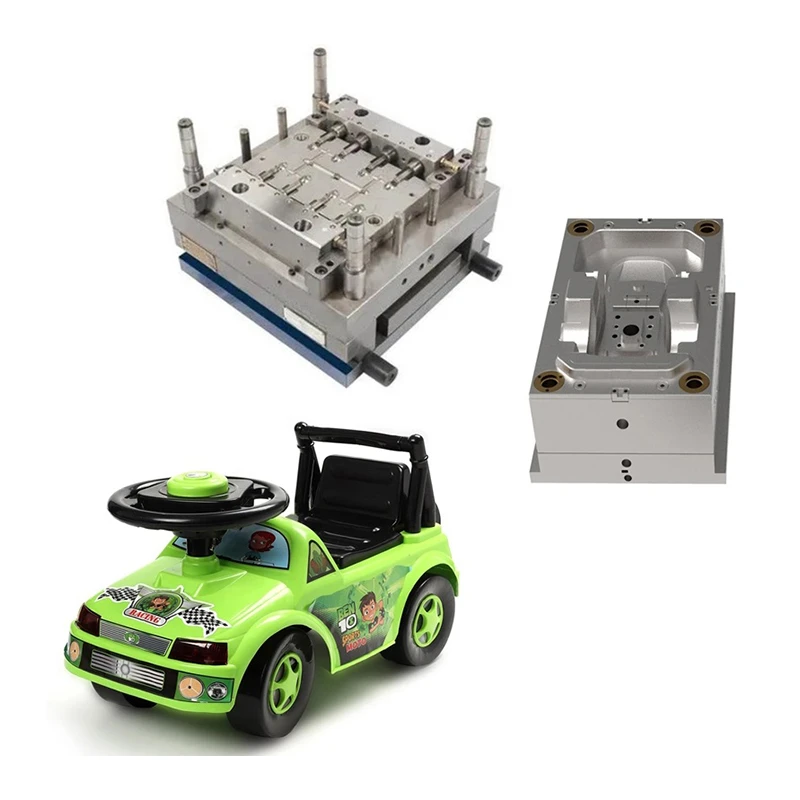
First off, the design and functionality of the plastic toy itself are crucial. Every toy has its unique shape, features, and how it's supposed to work. For example, if we're talking about a Children Electrical Car Mould, it has complex components like wheels, doors, and a detailed exterior. The parting line needs to be placed in a way that doesn't interfere with these features.
Let's say the toy has moving parts. The parting line should be set so that it doesn't cause any obstructions when these parts are in motion. If the parting line is poorly designed near a joint or a rotating part, it could lead to binding or even breakage over time. Also, if the toy has intricate details, such as small buttons or decorative elements, the parting line should avoid cutting through them. Otherwise, these details might not be accurately reproduced in the final product, or they could be damaged during the moulding process.
2. Ejection of the Toy from the Mould
Another major factor is how the toy will be ejected from the mould. Once the plastic has cooled and solidified, it needs to be removed easily. The parting line plays a big role here. We want to place it in a position that allows for smooth ejection.
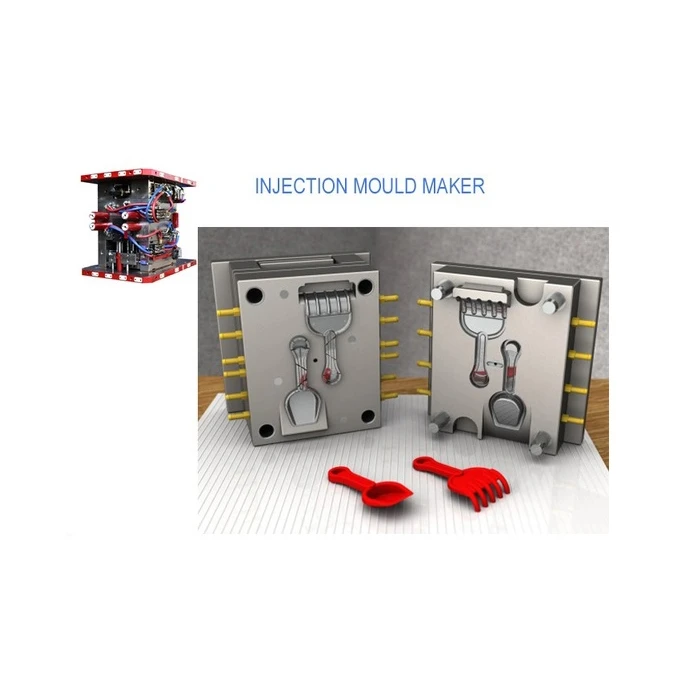
For instance, if the parting line is too close to a deep cavity or an undercut in the toy design, it can make ejection difficult. Undercuts are areas where the toy has a shape that prevents it from being pulled straight out of the mould. In such cases, we might need to use special ejection mechanisms, like slides or lifters. But these add to the complexity and cost of the mould. So, by carefully choosing the parting line, we can minimize the need for these additional components and make the ejection process more straightforward.
3. Surface Finish Requirements
The surface finish of the plastic toy is also an important consideration. Different toys have different aesthetic and functional requirements for their surfaces. Some toys might need a smooth, glossy finish, while others could have a textured surface.
The parting line can leave a visible mark on the toy's surface. If the toy has a high - end look and feel, we need to place the parting line in an area where this mark won't be noticeable. For example, on a Plastic Toy Mould for a collectible figurine, the parting line should be hidden in areas like the back or under the base. On the other hand, if the toy has a textured surface, the parting line mark might be less of an issue, but we still need to ensure that the texture is consistent across the parting line.
4. Mould Manufacturing Complexity
The complexity of manufacturing the mould itself is closely related to the parting line design. A poorly designed parting line can make the mould manufacturing process much more difficult and expensive.
If the parting line has a very irregular shape or if it passes through areas with tight tolerances, it will require more precise machining and finishing operations. This means higher costs for tooling and longer lead times. For example, if the parting line goes through a thin wall section of the toy, it can be challenging to machine the mould accurately without causing damage.
We also need to consider the type of mould - making process. Some processes, like injection moulding, have specific requirements for the parting line. In injection moulding, the parting line should be designed to allow for proper flow of the molten plastic. If the parting line restricts the flow, it can lead to defects in the final product, such as air bubbles or uneven filling.
5. Cost - Effectiveness
Cost is always a significant factor in any business, and designing the parting line is no exception. A well - designed parting line can help reduce costs in several ways.
As mentioned earlier, by minimizing the need for special ejection mechanisms and complex machining operations, we can save on tooling costs. Also, a good parting line design can improve the production efficiency. If the toy can be ejected easily and the moulding process is smooth, we can increase the production speed and reduce the number of defective parts. This, in turn, lowers the overall cost per unit.
For example, if we're producing a large number of Baby Car Mold, a cost - effective parting line design can have a substantial impact on the bottom line. We can pass on these savings to our customers, making our products more competitive in the market.
6. Assembly Considerations
If the plastic toy is made up of multiple parts that need to be assembled, the parting line design should take this into account. The parting line should be placed in a way that doesn't interfere with the assembly process.
For example, if two parts of the toy need to fit together precisely, the parting line on each part should be designed so that the mating surfaces are smooth and accurate. Otherwise, there could be gaps or misalignments during assembly, which can affect the overall quality and functionality of the toy.
7. Material Shrinkage
Plastic materials shrink as they cool after being injected into the mould. The amount of shrinkage can vary depending on the type of plastic used. The parting line design should consider this shrinkage factor.
If the parting line is not designed correctly in relation to the expected shrinkage, it can cause warping or distortion of the toy. For example, if the shrinkage occurs unevenly across the parting line, it can lead to a misaligned or deformed final product. We need to analyze the shrinkage characteristics of the plastic material and adjust the parting line and the mould dimensions accordingly.
Conclusion
In conclusion, designing the parting line of a plastic toy mould is a complex process that requires careful consideration of multiple factors. From the toy's design and functionality to cost - effectiveness and material shrinkage, every aspect plays a crucial role in determining the success of the mould and the final product.
As a plastic toy mould supplier, we're constantly striving to find the best parting line designs for our customers. We understand that a well - designed parting line can enhance the quality of the toy, reduce production costs, and improve overall efficiency.
If you're in the market for high - quality plastic toy moulds and want to discuss how we can design the perfect parting line for your specific toy, don't hesitate to reach out. We're here to help you bring your toy ideas to life with the best possible moulding solutions.
References
- "Plastic Injection Molding Handbook" by O. Olszewski
- "Mould Design for Plastics" by P. Crawford
- Industry research reports on plastic toy manufacturing and mould design