

As a seasoned supplier of Washing Machine Moulds, I've witnessed firsthand the intricate dance of factors that influence the demoulding process. Demoulding is a critical stage in the manufacturing of washing machine components, as it directly impacts the quality, efficiency, and cost-effectiveness of production. In this blog, I'll delve into the key factors that can make or break the demoulding process and offer insights based on my years of experience in the industry.
1. Mould Design
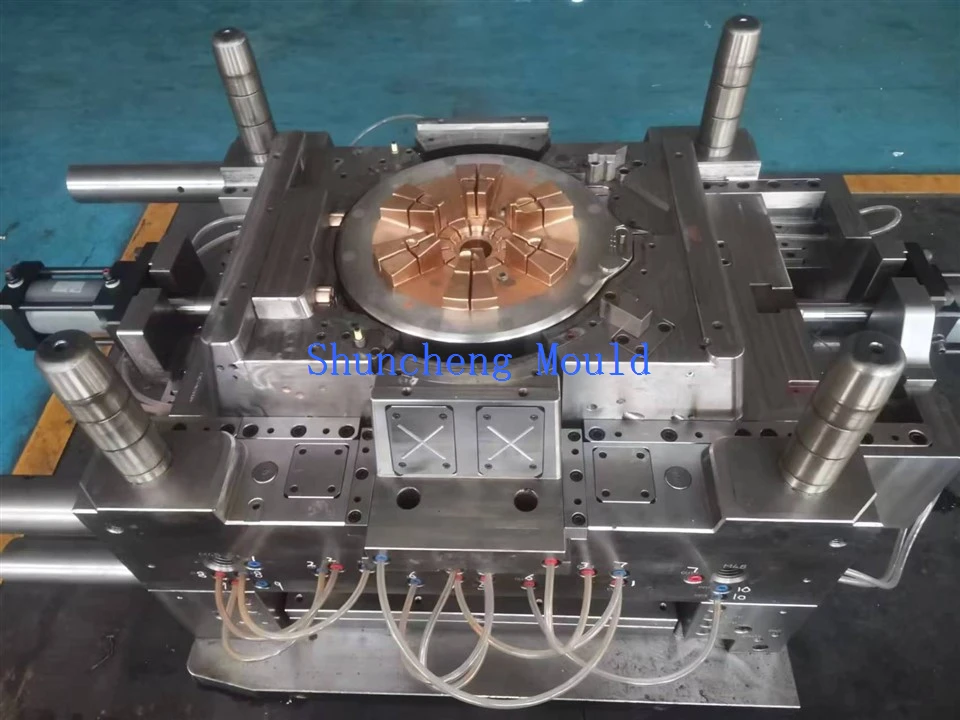
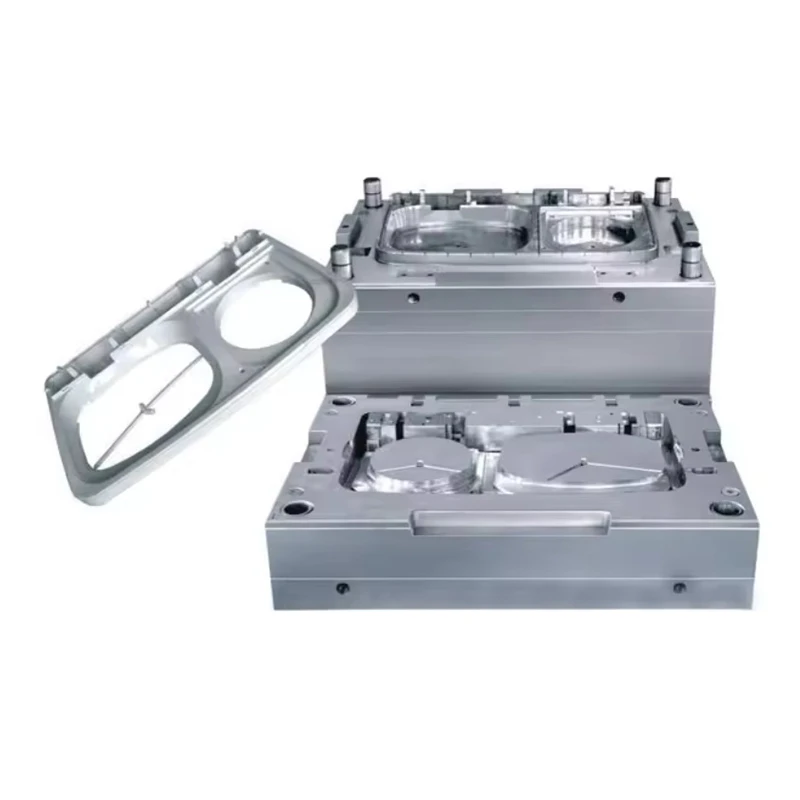
The design of the washing machine mould is the cornerstone of a successful demoulding process. A well-designed mould takes into account the shape, size, and complexity of the washing machine component, as well as the properties of the material being used. Here are some design considerations that can affect demoulding:
- Draft Angles: Draft angles are essential for easy demoulding. They allow the part to be released from the mould without excessive force or damage. The draft angle should be carefully calculated based on the material's shrinkage rate and the part's geometry. A general rule of thumb is to have a draft angle of at least 1 - 2 degrees for most plastic materials.
- Undercuts: Undercuts are areas on the part that prevent it from being ejected straight out of the mould. While undercuts can add functionality or aesthetic appeal to the washing machine component, they can also complicate the demoulding process. Special mechanisms, such as slides or lifters, may be required to release parts with undercuts. These mechanisms increase the complexity and cost of the mould but are often necessary for parts with intricate designs.
- Surface Finish: The surface finish of the mould cavity can significantly affect demoulding. A smooth surface finish reduces friction between the part and the mould, making it easier to eject the part. Polishing the mould cavity to a high gloss finish can improve demoulding performance, especially for parts with complex shapes or thin walls.
2. Material Selection
The choice of material for the washing machine component and the mould itself plays a crucial role in the demoulding process. Different materials have different shrinkage rates, flow properties, and adhesion characteristics, which can all impact demoulding.
- Plastic Materials: Washing machine components are often made from various types of plastics, such as polypropylene (PP), acrylonitrile butadiene styrene (ABS), and polycarbonate (PC). Each plastic material has its own unique properties that affect demoulding. For example, PP has a relatively high shrinkage rate, which can cause the part to shrink away from the mould during cooling, making demoulding easier. On the other hand, ABS has good flow properties but may adhere more strongly to the mould surface, requiring careful consideration of mould release agents.
- Mould Materials: The material used to make the mould also affects demoulding. Common mould materials include steel, aluminum, and brass. Steel is a popular choice for its durability and high wear resistance, but it can be more expensive and may require longer machining times. Aluminum is lighter and has better thermal conductivity, which can help with faster cooling and demoulding. However, it may not be as durable as steel and is more prone to wear.
3. Temperature Control
Temperature control is critical during the injection molding process and has a direct impact on demoulding. The temperature of the mould, the plastic material, and the surrounding environment all need to be carefully managed to ensure proper demoulding.
- Mould Temperature: Maintaining the correct mould temperature is essential for achieving good part quality and easy demoulding. If the mould temperature is too low, the plastic material may solidify too quickly, resulting in a part that is difficult to eject. On the other hand, if the mould temperature is too high, the part may stick to the mould or develop surface defects. The optimal mould temperature depends on the type of plastic material being used and can be determined through trial and error or by consulting the material supplier's recommendations.
- Material Temperature: The temperature of the plastic material as it is injected into the mould also affects demoulding. If the material temperature is too low, it may not flow properly into the mould cavity, resulting in incomplete filling or poor part quality. If the material temperature is too high, it may degrade or burn, leading to a part that is difficult to eject and has a poor surface finish.
4. Injection Molding Process Parameters
The injection molding process parameters, such as injection pressure, injection speed, and holding pressure, can also influence the demoulding process.
- Injection Pressure: The injection pressure is the force used to inject the plastic material into the mould cavity. If the injection pressure is too high, it can cause the part to be overpacked, resulting in a part that is difficult to eject. On the other hand, if the injection pressure is too low, the part may not be fully formed, leading to a part that is weak and may break during demoulding.
- Injection Speed: The injection speed determines how quickly the plastic material is injected into the mould cavity. A high injection speed can help to fill the mould cavity quickly, but it can also cause the material to flow too fast, resulting in air traps or surface defects. A low injection speed may allow the material to flow more evenly, but it can also increase the cycle time and may not be suitable for parts with thin walls or complex shapes.
- Holding Pressure: The holding pressure is applied after the injection phase to ensure that the plastic material fills the mould cavity completely and to compensate for shrinkage during cooling. If the holding pressure is too high, it can cause the part to be overpacked and difficult to eject. If the holding pressure is too low, the part may shrink and develop sink marks or other defects.
5. Mould Release Agents
Mould release agents are substances applied to the mould surface to reduce friction and prevent the part from sticking to the mould. There are various types of mould release agents available, including silicone-based, fluorocarbon-based, and wax-based agents.
- Silicone-Based Release Agents: Silicone-based release agents are the most commonly used type of mould release agents. They are easy to apply, provide good release performance, and are compatible with a wide range of plastic materials. However, they can leave a residue on the part surface, which may require additional cleaning.
- Fluorocarbon-Based Release Agents: Fluorocarbon-based release agents offer excellent release performance and are resistant to high temperatures and chemicals. They are often used for applications where a high level of release is required, such as in the production of high-precision parts. However, they are more expensive than silicone-based release agents and may require special handling.
- Wax-Based Release Agents: Wax-based release agents are a cost-effective option for mould release. They are easy to apply and provide good release performance for most plastic materials. However, they may not be suitable for parts with a high surface finish requirement, as they can leave a waxy residue on the part surface.
6. Ejection System
The ejection system is responsible for pushing the part out of the mould after it has solidified. A well-designed ejection system is essential for easy and efficient demoulding.
- Ejector Pins: Ejector pins are the most common type of ejection mechanism. They are located on the mould's ejector plate and push the part out of the mould cavity when the mould opens. The size, number, and placement of the ejector pins need to be carefully considered to ensure that the part is ejected evenly without causing damage.
- Ejector Sleeves: Ejector sleeves are used for parts with holes or bosses. They fit over the core pins and push the part out of the mould cavity when the mould opens. Ejector sleeves provide a more uniform ejection force and can help to prevent damage to the part.
- Air Ejection: Air ejection is a method of using compressed air to blow the part out of the mould cavity. It is often used for parts with complex shapes or thin walls, where traditional ejection mechanisms may not be effective. Air ejection can provide a gentle and even ejection force, reducing the risk of part damage.
Conclusion
The demoulding process of a washing machine mould is influenced by a multitude of factors, including mould design, material selection, temperature control, injection molding process parameters, mould release agents, and the ejection system. As a Washing Machine Mould supplier, it is our responsibility to carefully consider these factors and optimize the manufacturing process to ensure that our customers receive high-quality moulds that produce parts with excellent demoulding performance.
If you are in the market for high-quality Washing Machine Rear Drum Mould, Plastic Washing Machine Mould, or Washing Machine Injection Mould, we invite you to contact us for a consultation. Our team of experts is ready to work with you to develop customized solutions that meet your specific requirements.
References
- "Injection Molding Handbook" by O. Olszewski
- "Plastics Materials" by J. A. Brydson
- Technical literature from plastic material suppliers