

What are the environmental impacts of rear bumper mould production?
As a rear bumper mould supplier, I've been deeply involved in the industry for years, witnessing firsthand the intricate processes and the far - reaching implications of rear bumper mould production on the environment. In this blog, I'll delve into the various environmental impacts associated with this production and explore potential solutions.
Raw Material Extraction and Processing
The production of rear bumper moulds begins with the extraction of raw materials. Metals such as steel and aluminum are commonly used due to their durability and strength. The mining of these metals has significant environmental consequences. For instance, iron ore mining, a key source for steel production, often involves large - scale deforestation to make way for mining operations. This leads to the loss of natural habitats for countless plant and animal species, disrupting entire ecosystems.
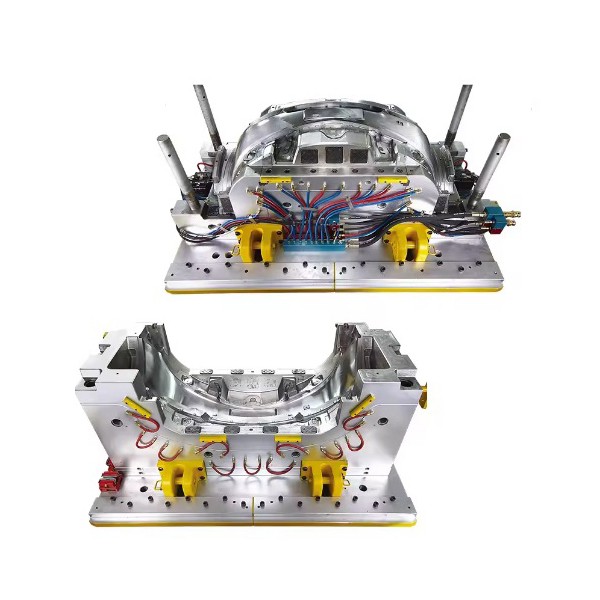
Moreover, the processing of these metals requires a vast amount of energy. The smelting process, where raw metals are heated to high temperatures to purify and shape them, is energy - intensive. Most of this energy is derived from fossil fuels, such as coal and natural gas. Burning these fuels releases large amounts of greenhouse gases, including carbon dioxide, into the atmosphere. These emissions contribute to global warming and climate change, which have far - reaching effects on weather patterns, sea - level rise, and the overall stability of the planet's ecosystems.
Energy Consumption in Manufacturing
Once the raw materials are ready, the manufacturing process of rear bumper moulds consumes a substantial amount of energy. Precision machining is a crucial step in creating the detailed and accurate shapes required for the moulds. Computer - Numerical - Control (CNC) machines are commonly used, which operate continuously for long periods. These machines need a constant supply of electricity, and if the electricity is generated from non - renewable sources, it further exacerbates the environmental impact.
In addition to machining, heat treatment processes are also energy - intensive. Heat treatment is used to enhance the mechanical properties of the moulds, such as hardness and toughness. High - temperature furnaces are employed, and they consume large amounts of energy to reach and maintain the required temperatures. This continuous high - energy consumption not only depletes natural resources but also contributes to air pollution through the release of pollutants associated with energy production.
Chemical Usage
The production of rear bumper moulds involves the use of various chemicals. For example, during the surface treatment process, chemicals are used for cleaning, plating, and coating the moulds. Some of these chemicals are toxic and can have harmful effects on the environment if not properly managed. Chromium plating, which is used to improve the corrosion resistance of the moulds, involves the use of hexavalent chromium, a highly toxic and carcinogenic substance.
If these chemicals are released into the environment without proper treatment, they can contaminate soil, water sources, and air. Contaminated water can harm aquatic life and make water unfit for human consumption. Soil contamination can affect plant growth and disrupt the balance of the soil ecosystem. Air pollution from the release of volatile organic compounds (VOCs) associated with some chemical processes can also have negative health impacts on humans and animals.
Waste Generation
Waste generation is another significant environmental concern in rear bumper mould production. During the machining process, a large amount of metal chips and shavings are produced. If not recycled, these metal waste products end up in landfills, taking up valuable space and wasting resources. Additionally, defective moulds that do not meet the quality standards are also discarded, adding to the waste volume.
In some cases, the waste from the chemical processes, such as spent plating solutions, also needs to be disposed of properly. Improper disposal of these hazardous wastes can lead to long - term environmental damage.
Potential Solutions
Despite these environmental challenges, there are several ways to mitigate the impacts of rear bumper mould production. One approach is to focus on sustainable raw material sourcing. Suppliers can look for metals that are sourced from mines with good environmental practices. For example, some mines use advanced technologies to reduce their environmental footprint, such as water - recycling systems and low - impact mining methods.
Energy efficiency is also crucial. Manufacturers can invest in energy - efficient equipment, such as high - efficiency CNC machines and furnaces. Additionally, the use of renewable energy sources, such as solar or wind power, can significantly reduce the carbon footprint of the production process.
In terms of chemical usage, alternative, less - toxic chemicals can be explored. For example, there are now environmentally friendly plating solutions that can achieve similar results without the use of highly toxic substances. Waste management is also key. Recycling programs for metal waste can reduce the amount of waste going to landfills and conserve resources. Proper treatment of hazardous waste can prevent environmental contamination.
Related Products
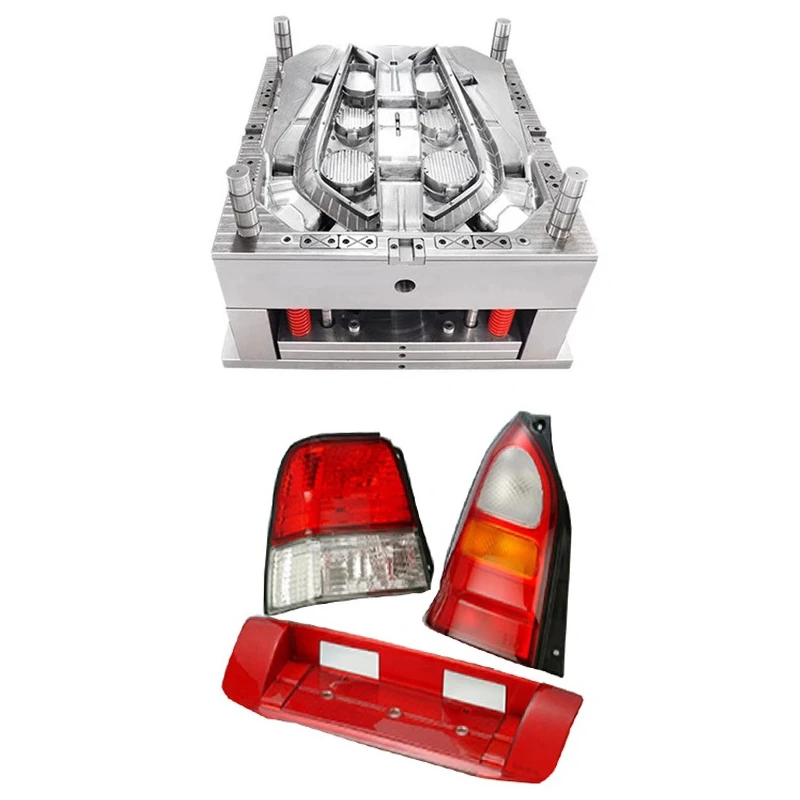
If you're also interested in other automotive moulds, we offer a range of related products. You can check out our Front Bumper Mould, which is designed with the same precision and quality as our rear bumper moulds. Our Compression Molds For Automotive are also a great option for automotive part production. And for those in need of car lighting solutions, our Car Lamp Injection Mold is a reliable choice.
Contact for Procurement
We understand the importance of environmental sustainability in the automotive industry. If you're looking for high - quality rear bumper moulds or any of our other products, and you're committed to environmentally responsible sourcing, we'd love to have a discussion with you. Reach out to us to start the procurement process and explore how we can work together to meet your needs while minimizing environmental impacts.
References
- Smith, J. (2018). Environmental Impacts of Metal Manufacturing. Journal of Industrial Ecology, 22(3), 456 - 470.
- Johnson, A. (2019). Energy Efficiency in Precision Machining. International Journal of Manufacturing Technology, 35(2), 123 - 135.
- Brown, C. (2020). Sustainable Chemical Usage in Mould Production. Chemical Engineering Review, 40(1), 78 - 90.