

Hey there! As a supplier of Plastic Toy Mould, I've had my fair share of experiences with different types of gates in plastic toy moulds. Gates are super important in the injection - molding process, and they can make or break the quality of the final plastic toy. So, let's dive right in and take a look at the various types of gates out there.
Sprue Gates
Sprue gates are the most basic type of gate. They're like the direct connection between the injection - molding machine's nozzle and the mold cavity. When the molten plastic is injected, it flows straight through the sprue gate into the mold. It's a simple design, and that's both its strength and weakness.
The good thing about sprue gates is that they're easy to manufacture. They don't require any complex machining, which means lower production costs. Also, since the plastic flows directly into the cavity, there's less chance of pressure loss during the injection process. This can result in a more uniform filling of the mold, especially for larger toys.
However, sprue gates have their drawbacks. After the plastic solidifies, there's a big, thick sprue that needs to be removed from the toy. This can be a time - consuming and labor - intensive process. And if not done properly, it can leave a visible mark on the toy, which isn't ideal for high - quality products.
Submarine Gates
Submarine gates, also known as tunnel gates, are a bit more sophisticated. Instead of a direct connection, the gate is located below the parting line of the mold. The molten plastic flows through a small tunnel and enters the mold cavity at an angle.
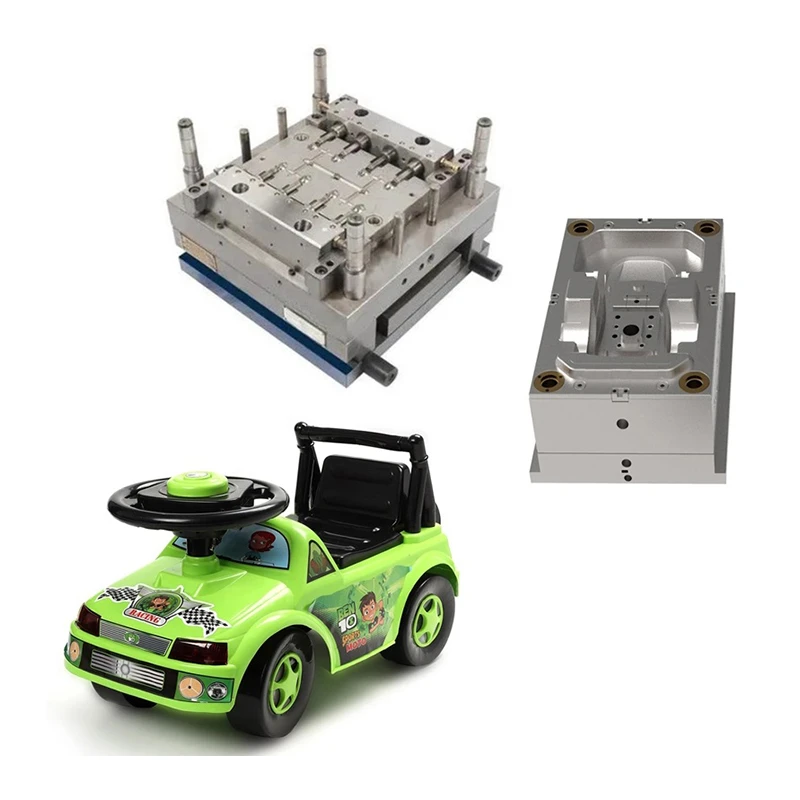
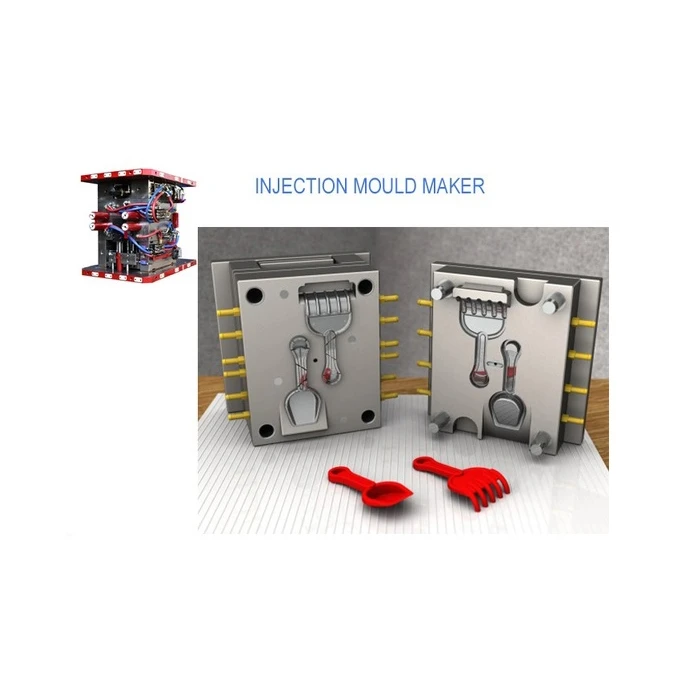
One of the main advantages of submarine gates is that they automatically break off from the part when the mold opens. This means there's no need for a separate trimming operation, which saves time and money. They also allow for a more precise control of the plastic flow. The small size of the gate can help prevent excessive flash and improve the overall surface finish of the toy.
But submarine gates aren't without problems. They can be more difficult to machine compared to sprue gates. And because the gate is small, there's a higher chance of clogging, especially if the plastic has any impurities. Also, the angle at which the plastic enters the cavity can sometimes cause flow marks on the toy.
Fan Gates
Fan gates are designed to spread the molten plastic evenly across the width of the mold cavity. They look like a fan, hence the name. The gate is wide and flat, which allows the plastic to flow in a more uniform manner.
This type of gate is great for large, flat toys. It helps to reduce the risk of warping and sink marks, as the plastic is distributed more evenly. Fan gates also provide a good balance between filling speed and pressure.
On the downside, fan gates can be wasteful. A large amount of plastic is used to form the gate, which adds to the material cost. And just like sprue gates, the gate needs to be trimmed off after the molding process, which can be a hassle.
Pin - Point Gates
Pin - point gates are very small, usually just a few millimeters in diameter. They're used when you need to create a small, precise opening for the plastic to enter the mold cavity.
The biggest advantage of pin - point gates is that they leave a very small mark on the toy. This is great for toys that require a high - quality finish. They also allow for a more controlled injection process, as the small gate size can help regulate the flow rate of the plastic.
But pin - point gates have their limitations. They're prone to clogging, especially if the plastic has a high viscosity. And because they're so small, they can cause high shear rates, which might degrade the plastic and affect the mechanical properties of the toy.
Edge Gates
Edge gates are located at the edge of the mold cavity. The molten plastic enters the cavity from the side, and they're relatively easy to design and manufacture.
Edge gates are suitable for a wide range of toy sizes and shapes. They provide a good balance between filling efficiency and gate removal. The gate can be easily trimmed off, and the mark left on the toy is usually not too noticeable.
However, edge gates can sometimes cause uneven filling, especially for complex - shaped toys. The plastic might flow faster on one side of the cavity compared to the other, leading to defects like air traps and weld lines.
Hot Runner Gates
Hot runner gates are a bit different from the other types. Instead of using a cold sprue or runner system, hot runner systems keep the plastic molten throughout the injection process. The gate is connected to a heated manifold, which allows for a more consistent and efficient injection.
The main advantage of hot runner gates is that they eliminate the need for a cold runner, which reduces plastic waste. They also provide a more precise control of the plastic temperature and pressure, resulting in better - quality toys. Hot runner systems can be used with a variety of gate types, such as pin - point gates or edge gates.
But hot runner systems are expensive to install and maintain. They require a complex heating and control system, and any malfunction can lead to production delays and increased costs.
Now, if you're in the market for Toy Car Mold or Children Electrical Car Mould, or any other plastic toy moulds, understanding the different types of gates is crucial. Each gate type has its own pros and cons, and choosing the right one depends on the specific requirements of your toy, such as size, shape, quality, and production volume.
If you have any questions or if you're interested in discussing your plastic toy mould needs, don't hesitate to reach out. We're here to help you find the best solution for your production. Whether you need a simple sprue gate for a large - scale production of basic toys or a more advanced hot runner system for high - end products, we've got you covered. So, let's start a conversation and see how we can work together to create amazing plastic toys!
References
- "Injection Molding Handbook" by O. Ossenbruggen
- "Plastic Product Design and Development" by John Beaumont