

As a rear bumper mould supplier, understanding the considerations for the draft angle in a rear bumper mould is crucial. The draft angle plays a significant role in the injection molding process, affecting the quality of the final product, the efficiency of production, and the overall cost. In this blog, we will explore the key factors to consider when determining the draft angle for a rear bumper mould.
Importance of Draft Angle in Rear Bumper Moulds
The draft angle is the taper or slope designed into the vertical walls of a plastic part or mould cavity. In the context of rear bumper moulds, it is essential for the smooth ejection of the molded rear bumper from the mould. Without an appropriate draft angle, the bumper may get stuck in the mould during the ejection process, leading to damage to the part, increased cycle times, and potential mould wear.
Proper draft angles ensure that the rear bumper can be removed from the mould without excessive force, which helps maintain the integrity of the part's surface finish. This is particularly important for rear bumpers, as they are highly visible components of a vehicle and require a high - quality appearance.
Material Considerations
The type of plastic material used for the rear bumper is one of the primary factors influencing the draft angle. Different plastics have different shrinkage rates and frictional properties. For example, polypropylene (PP), which is commonly used in rear bumpers due to its good impact resistance and low cost, has a relatively high shrinkage rate. When using PP, a larger draft angle may be required to compensate for the shrinkage and prevent the part from sticking to the mould.
On the other hand, materials like acrylonitrile butadiene styrene (ABS), which has better surface finish and dimensional stability, may allow for a slightly smaller draft angle. However, it still requires a sufficient draft to ensure proper ejection. As a rear bumper mould supplier, we need to work closely with our customers to understand the material they plan to use and recommend the appropriate draft angle based on the material's characteristics.
Bumper Design Complexity
The design complexity of the rear bumper also affects the draft angle. Rear bumpers often have intricate shapes, including ribs, bosses, and undercuts. These features can increase the friction between the part and the mould during ejection, making it necessary to increase the draft angle.
For instance, if a rear bumper has deep ribs or a large number of bosses, a greater draft angle will be needed to ensure that these features can be released from the mould smoothly. Undercuts, which are areas of the part that prevent it from being ejected straight out of the mould, may require special moulding techniques such as side actions or collapsible cores. In such cases, the draft angle around the undercut areas needs to be carefully calculated to ensure proper operation of these additional mechanisms.
Surface Finish Requirements
The desired surface finish of the rear bumper is another important consideration. A high - gloss finish may require a larger draft angle compared to a matte finish. This is because a high - gloss surface has less surface roughness, which can result in higher friction between the part and the mould. To prevent scratches or marks on the high - gloss surface during ejection, a larger draft angle helps to reduce the contact area and friction.
In contrast, a matte finish can tolerate a slightly smaller draft angle as the surface roughness provides some natural release properties. As a rear bumper mould supplier, we need to take into account the customer's surface finish requirements and adjust the draft angle accordingly.
Mould Manufacturing Process
The manufacturing process of the rear bumper mould itself can also influence the draft angle. If the mould is machined using traditional methods such as milling or turning, there may be limitations on the minimum draft angle that can be achieved. This is because sharp corners and small draft angles can be difficult to machine accurately.
However, with the advancement of modern manufacturing technologies such as electrical discharge machining (EDM) and 3D printing, it is possible to achieve smaller draft angles with higher precision. As a supplier, we need to choose the most suitable manufacturing process based on the draft angle requirements of the rear bumper mould.
Cost - Benefit Analysis
When determining the draft angle, a cost - benefit analysis is necessary. A larger draft angle generally means less risk of part damage and faster ejection, which can lead to increased production efficiency and lower scrap rates. However, it may also result in a larger overall size of the rear bumper, which can increase material costs and the space required for storage and transportation.
On the other hand, a smaller draft angle may save on material and space but can increase the risk of production problems and potentially lead to higher costs in the long run. As a rear bumper mould supplier, we need to help our customers find the optimal draft angle that balances these factors and meets their budget and quality requirements.
Industry Standards and Regulations
There are industry standards and regulations that may impact the draft angle of rear bumper moulds. For example, automotive safety standards may require certain structural features in the rear bumper, which can affect the design and the draft angle. Additionally, environmental regulations may influence the choice of materials, which in turn affects the draft angle.
We, as a rear bumper mould supplier, need to stay updated with these standards and regulations to ensure that the moulds we produce comply with all relevant requirements. This helps our customers avoid potential legal issues and ensures the quality and safety of their products.
Related Products and Services
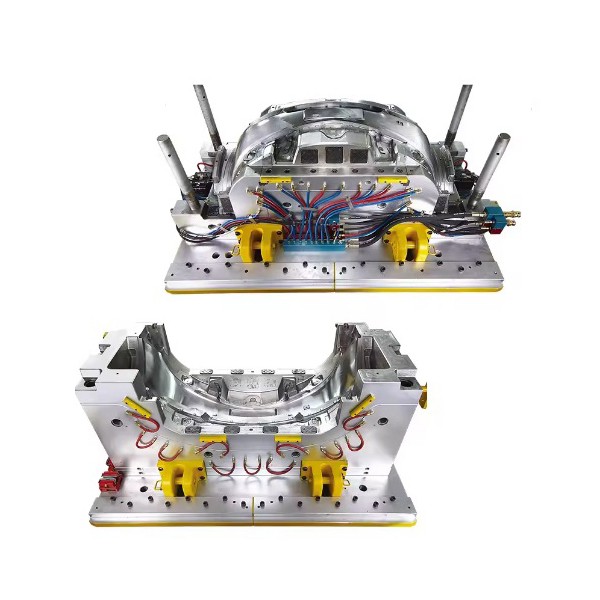
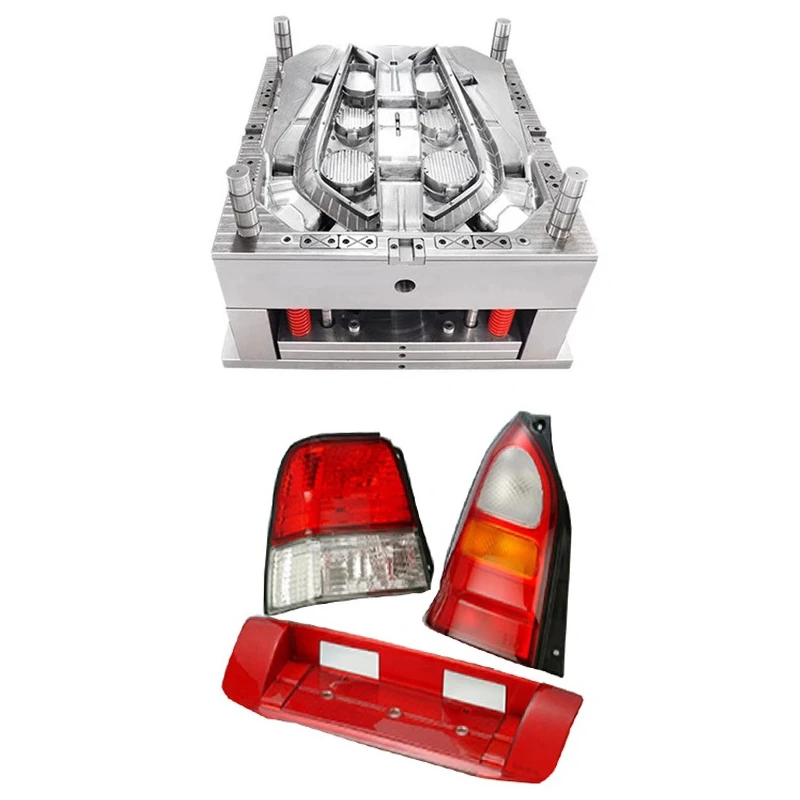
As a comprehensive rear bumper mould supplier, we also offer other related products and services. For those interested in compression molding for automotive parts, you can visit our Compression Molds For Automotive page. If you are looking for car lamp injection molds, our Car Lamp Injection Mold page provides detailed information. And for front bumper moulds, you can check out our Front Bumper Mould page.
Conclusion
In conclusion, determining the draft angle in a rear bumper mould requires a comprehensive consideration of various factors, including material properties, bumper design complexity, surface finish requirements, mould manufacturing process, cost - benefit analysis, and industry standards. As a rear bumper mould supplier, our expertise in these areas allows us to provide our customers with high - quality moulds that meet their specific needs.
If you are in the market for rear bumper moulds or have any questions regarding draft angles or other aspects of mould design, we encourage you to contact us for a detailed discussion. Our team of experts is ready to assist you in making the best decisions for your automotive parts production.
References
- "Injection Molding Handbook" by Rosato, Rosato, and Scherzinger
- "Plastic Materials and Processes" by Strong
- Automotive industry standards and regulations documents