

As a seasoned grille mould supplier, I've witnessed firsthand the intricacies and challenges that come with manufacturing these essential components. Grille moulds are used in a wide range of industries, from automotive to HVAC, and each application presents its own set of unique problems. In this blog post, I'll delve into the common issues that grille moulds face and offer insights on how to address them.
Surface Defects
One of the most prevalent problems with grille moulds is surface defects. These can include scratches, pits, and uneven surfaces, which can significantly impact the appearance and functionality of the final product. Surface defects can occur during the manufacturing process, due to factors such as improper machining, poor polishing, or the use of low-quality materials.
To prevent surface defects, it's crucial to use high-quality materials and employ precise machining techniques. Additionally, regular maintenance and inspection of the mould can help identify and address any potential issues before they become major problems. For example, using a Grille Cover Mould that is designed with advanced surface treatment technology can help reduce the occurrence of surface defects.
Dimensional Inaccuracies
Another common problem with grille moulds is dimensional inaccuracies. These can occur when the mould is not manufactured to the correct specifications, or when there are variations in the material properties during the injection molding process. Dimensional inaccuracies can lead to problems such as poor fitment, leakage, and reduced performance of the final product.
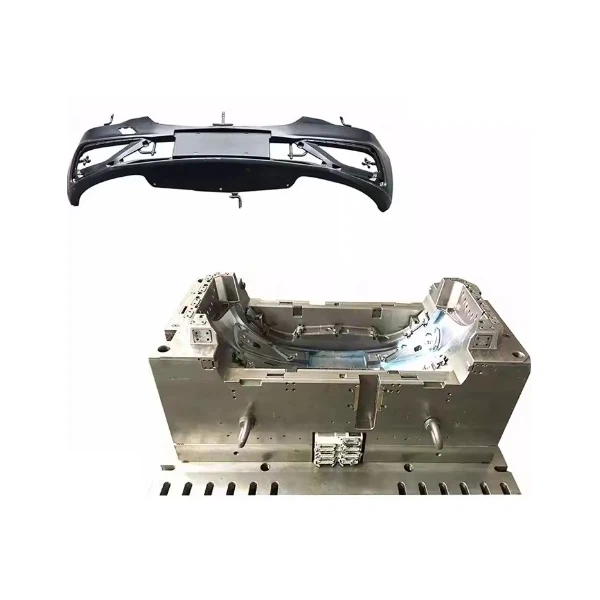
To ensure dimensional accuracy, it's important to use precise measurement tools and techniques during the manufacturing process. Additionally, working with a supplier that has a proven track record of producing high-quality grille moulds can help minimize the risk of dimensional inaccuracies. For instance, an Automotive Radiator Grille Tooling Mold that is designed with tight tolerances can help ensure that the final product meets the required specifications.

Warping and Deformation
Warping and deformation are also common issues with grille moulds, especially in large or complex designs. These problems can occur due to factors such as uneven cooling, improper gating, or the use of materials with high shrinkage rates. Warping and deformation can lead to problems such as poor aesthetics, reduced functionality, and increased production costs.
To prevent warping and deformation, it's important to design the mould with proper cooling channels and gating systems. Additionally, using materials with low shrinkage rates and optimizing the injection molding process can help minimize the risk of these problems. For example, an Air Conditioner Grille Mold that is designed with a balanced cooling system can help ensure that the final product cools evenly and reduces the risk of warping.
Ejection Problems
Ejection problems can also occur with grille moulds, especially in designs with complex geometries or undercuts. These problems can include sticking, cracking, or breaking of the part during ejection, which can lead to production delays and increased costs.
To prevent ejection problems, it's important to design the mould with proper ejection mechanisms and to use high-quality ejection pins and sleeves. Additionally, optimizing the injection molding process and using lubricants can help reduce the friction between the part and the mould, making it easier to eject.
Wear and Tear
Over time, grille moulds can experience wear and tear due to the repeated injection molding process. This can lead to problems such as reduced dimensional accuracy, surface defects, and increased production costs.
To minimize wear and tear, it's important to use high-quality materials and to perform regular maintenance on the mould. This can include cleaning, lubricating, and inspecting the mould for any signs of damage or wear. Additionally, using a mould coating can help protect the surface of the mould and reduce the risk of wear and tear.
Conclusion
In conclusion, grille moulds face a variety of common problems, including surface defects, dimensional inaccuracies, warping and deformation, ejection problems, and wear and tear. By understanding these issues and taking proactive measures to address them, manufacturers can produce high-quality grille moulds that meet the requirements of their customers.
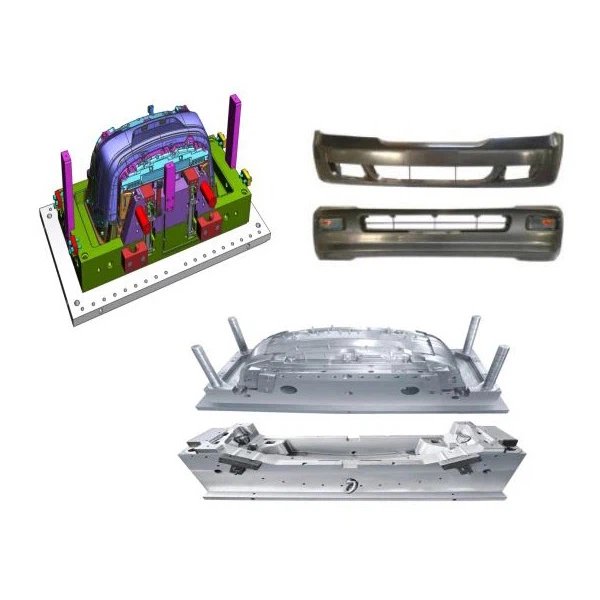
As a grille mould supplier, we have the expertise and experience to help you overcome these challenges. We use the latest technology and manufacturing techniques to produce high-quality grille moulds that are designed to meet your specific needs. Whether you're looking for a Grille Cover Mould, an Automotive Radiator Grille Tooling Mold, or an Air Conditioner Grille Mold, we can provide you with the solution you need.
If you're interested in learning more about our grille moulds or would like to discuss your specific requirements, please don't hesitate to contact us. We look forward to working with you to provide you with the best possible grille mould solution.
References
- "Injection Molding Handbook" by Rosato, Donald V., and David V. Rosato
- "Mold Design for Injection Molding" by Throne, James L.
- "Plastics Materials" by Brydson, J. A.