

Flash in front grilles produced by a mould is a common and troublesome issue in the manufacturing process. As a Front Grille Mould supplier, I've encountered this problem numerous times and have delved deep into its causes. In this blog, I'll share the insights I've gained over the years to help you understand what leads to this defect.
1. Mould Design Flaws
One of the primary causes of flash in front grilles is mould design flaws. When the mould is not designed correctly, it can lead to improper sealing and uneven pressure distribution during the injection - molding process.
1.1 Insufficient Venting
Inadequate venting in the mould can be a significant culprit. During the injection of molten plastic into the mould cavity, air needs to escape. If there aren't enough vents or if the vents are blocked, the trapped air can cause back - pressure. This back - pressure can force the molten plastic to seep out of the mould's parting lines, resulting in flash. For example, in some complex front grille designs with intricate patterns, the venting channels may be too small or poorly placed, preventing efficient air evacuation.
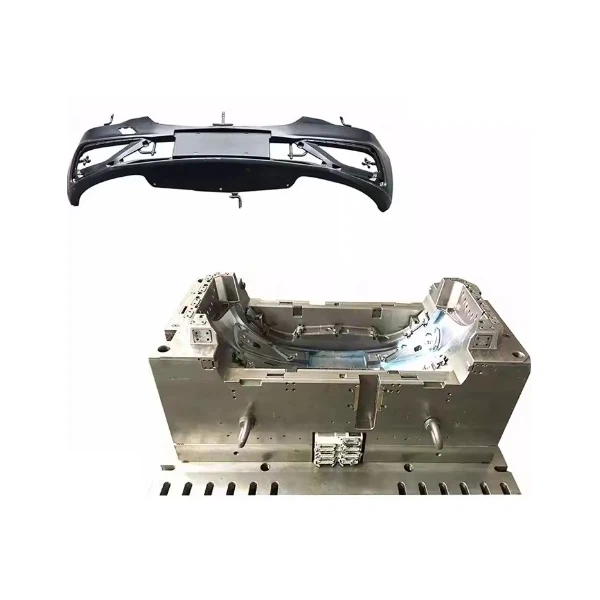

1.2 Improper Parting Line Design
The parting line is where the two halves of the mould meet. If the parting line is not designed accurately, it can create gaps. When the molten plastic is injected, it can easily flow through these gaps, causing flash. A poorly designed parting line may not account for the shrinkage of the plastic during cooling, leading to misalignment and gaps over time.
1.3 Uneven Wall Thickness
Front grilles often have varying wall thicknesses to achieve different aesthetic and functional requirements. However, if the wall thickness changes too abruptly or is not properly designed, it can cause uneven flow of the molten plastic. Thicker sections may cool more slowly than thinner ones, creating pressure imbalances. This can force the plastic to escape through the mould's weak points, resulting in flash.
2. Mould Manufacturing Issues
Even if the design is perfect, problems during the mould manufacturing process can lead to flash in the front grilles.
2.1 Machining Errors
Precision is crucial in mould manufacturing. Any errors in machining, such as inaccurate cutting or drilling, can affect the mould's dimensions and surface finish. For instance, if the mould cavity is machined slightly larger than the specified dimensions, it can create gaps at the parting line. Similarly, rough surface finishes can cause friction and prevent proper sealing, allowing the plastic to leak out.
2.2 Assembly Problems
When assembling the different components of the mould, any misalignment or improper fitting can lead to flash. For example, if the core and cavity inserts are not aligned correctly, it can create uneven pressure distribution during the injection process. This can cause the plastic to flow into areas where it shouldn't, resulting in flash.
2.3 Material Selection and Quality
The material used to manufacture the mould also plays a role. If the mould material is not of high quality or is not suitable for the specific plastic used in the front grille production, it can lead to problems. For example, a soft or brittle mould material may deform under the high pressure and temperature of the injection - molding process, creating gaps and allowing flash to occur.
3. Injection - Molding Process Parameters
The way the injection - molding process is carried out can significantly impact the occurrence of flash in front grilles.
3.1 High Injection Pressure
Excessive injection pressure is a common cause of flash. When the pressure is too high, the molten plastic is forced into areas where it shouldn't be, such as the gaps at the parting line. High injection pressure can also cause the mould to flex or deform slightly, creating additional gaps. This is especially true for large front grille moulds, where the pressure needs to be carefully controlled to ensure proper filling without causing flash.
3.2 High Melt Temperature
A high melt temperature can make the plastic more fluid, increasing its ability to flow through small gaps. If the melt temperature is set too high, the plastic may seep out of the mould's weak points, resulting in flash. Additionally, high temperatures can cause thermal expansion of the mould, which can further exacerbate the problem by creating or enlarging gaps.
3.3 Long Injection Time
An overly long injection time can also contribute to flash. As the plastic is continuously injected into the mould, the pressure builds up. If the injection time is not optimized, the pressure can become too high, forcing the plastic out of the mould. Moreover, a long injection time can lead to over - packing of the plastic, which can also cause it to escape through the gaps.
4. Mould Wear and Tear
Over time, moulds experience wear and tear, which can lead to the development of flash in front grilles.
4.1 Erosion
The continuous flow of molten plastic through the mould can cause erosion, especially in areas with high - velocity flow. Erosion can wear away the surface of the mould, creating rough areas and reducing the mould's ability to seal properly. This can allow the plastic to leak out, resulting in flash.
4.2 Corrosion
If the mould is exposed to moisture or chemicals, it can corrode. Corrosion can damage the surface of the mould, creating pits and grooves. These irregularities can prevent proper sealing between the mould halves, leading to flash.
4.3 Fatigue
Repeated cycles of high pressure and temperature can cause fatigue in the mould material. Fatigue can lead to cracks and deformations in the mould, which can create gaps and allow the plastic to escape.
5. Plastic Material Properties
The properties of the plastic material used to manufacture the front grille can also influence the occurrence of flash.
5.1 Viscosity
The viscosity of the plastic affects its flow behavior. A plastic with low viscosity flows more easily and is more likely to seep through small gaps in the mould, causing flash. On the other hand, a plastic with high viscosity may require higher injection pressure to fill the mould cavity, which can also lead to flash if not properly controlled.
5.2 Shrinkage Rate
Different plastics have different shrinkage rates during cooling. If the shrinkage rate is not taken into account during the mould design, it can cause misalignment and gaps in the mould over time. This can result in flash as the plastic cools and shrinks.
5.3 Moisture Content
Moisture in the plastic can cause problems during the injection - molding process. When the plastic is heated, the moisture turns into steam, which can create pressure inside the mould. This pressure can force the plastic out of the mould, causing flash.
As a Front Grille Mould supplier, we understand the importance of addressing these issues to ensure high - quality front grilles. We offer a range of solutions, including precise mould design, high - quality manufacturing, and optimized injection - molding process parameters. If you are interested in our Front Grille Mould, Grille Cover Mould or Air Conditioner Grille Mold, please feel free to contact us for procurement and negotiation. We are committed to providing you with the best products and services.
References
- Throne, J. L. (1996). Polymer Rheology: Principles and Applications. Marcel Dekker.
- Rosato, D. V., & Rosato, D. V. (2000). Injection Molding Handbook. Kluwer Academic Publishers.
- Osswald, T. A., & Turng, L. - S. (2007). Injection Molding Handbook. Hanser Publishers.