

Maintaining a grille mould is crucial for any grille mould supplier, as it directly impacts the quality of the products, production efficiency, and overall business profitability. In this blog, I'll share some professional insights on how to maintain a grille mould, drawing from my experience as a grille mould supplier.
Regular Cleaning
One of the most fundamental steps in grille mould maintenance is regular cleaning. Over time, plastic residues, lubricants, and other contaminants can accumulate on the surface of the mould, which may affect the surface finish of the grille products and even cause blockages in the mould cavities.
For cleaning, we recommend using appropriate cleaning agents that are compatible with the mould material. Avoid using abrasive cleaners or tools that could scratch the mould surface. Soft brushes and lint - free cloths are ideal for gently removing dirt and residues. After cleaning, it's essential to dry the mould thoroughly to prevent rust and corrosion. For example, when dealing with Front Grille Mould, regular cleaning ensures that the fine details of the grille design are accurately replicated in each production cycle.
Inspection for Wear and Tear
Frequent inspection of the grille mould is necessary to detect any signs of wear and tear early. Pay close attention to critical areas such as the parting line, ejector pins, and cooling channels. The parting line can become worn, leading to flash on the grille products. Ejector pins may get bent or damaged, which can cause problems during the ejection process.
We suggest conducting a visual inspection before and after each production run. Use measuring tools to check the dimensions of the mould components to ensure they are within the specified tolerances. If any parts show excessive wear, they should be replaced promptly. For instance, in an Automotive Grille Injection Mould, worn - out ejector pins can lead to misaligned or damaged grilles, affecting the overall quality of the automotive parts.
Lubrication
Proper lubrication is vital for the smooth operation of the grille mould. Moving parts such as ejector pins, slides, and core pulls need to be lubricated regularly to reduce friction and prevent premature wear. Choose a high - quality lubricant that is suitable for the mould material and the operating conditions.
Apply the lubricant evenly to the relevant parts using a clean applicator. Be careful not to over - lubricate, as excess lubricant can attract dirt and cause contamination. Lubrication should be part of the regular maintenance schedule, and the frequency may vary depending on the production volume and the type of mould. For example, in an Air Conditioner Grille Mold, well - lubricated slides ensure that the complex grille shapes can be easily formed and ejected.
Temperature Control
Maintaining the right temperature is critical for the performance and longevity of the grille mould. Temperature fluctuations can cause thermal stress, which may lead to cracking or deformation of the mould. Therefore, a reliable temperature control system should be in place.
The cooling channels in the mould should be checked regularly to ensure proper coolant flow. Any blockages or leaks in the cooling system can disrupt the temperature control. Monitor the temperature of the mould during the production process and make adjustments as needed. By maintaining a stable temperature, you can improve the quality of the grille products and extend the life of the mould.
Storage
When the grille mould is not in use, proper storage is essential. Store the mould in a clean, dry, and temperature - controlled environment. Cover the mould to protect it from dust and debris. Before storage, make sure the mould is clean and dry, and all moving parts are lubricated.
If possible, store the mould in a vertical position to prevent deformation. Label the mould clearly for easy identification and keep a record of its maintenance history. This will help in future maintenance and ensure that the mould is ready for use when needed.
Preventive Maintenance Plan
Developing a comprehensive preventive maintenance plan is key to effective grille mould maintenance. This plan should include a schedule for cleaning, inspection, lubrication, and other maintenance tasks. Assign responsibilities to specific personnel and ensure that they are trained to perform the tasks correctly.
Regularly review and update the preventive maintenance plan based on the actual performance of the mould and any changes in the production requirements. By following a well - structured preventive maintenance plan, you can minimize downtime, reduce repair costs, and improve the overall productivity of your grille mould operations.
Training for Operators
Proper training for the operators is essential for the correct use and maintenance of the grille mould. Operators should be trained on how to handle the mould during installation, operation, and removal. They should also be aware of the importance of following the maintenance procedures.
Training should cover topics such as safety precautions, cleaning techniques, lubrication methods, and how to identify and report any potential problems. By having well - trained operators, you can ensure that the grille mould is used and maintained in the best possible way, leading to better - quality products and longer mould life.
Documentation
Keep detailed documentation of all maintenance activities related to the grille mould. This includes records of cleaning, inspections, repairs, and lubrication. Documentation helps in tracking the history of the mould, identifying recurring problems, and planning future maintenance.
The documentation should also include information about the mould, such as its specifications, installation date, and production history. By having a complete and organized record, you can make informed decisions about the maintenance and replacement of the grille mould.
Collaboration with Suppliers
As a grille mould supplier, we understand the importance of collaborating with other suppliers. We work closely with our customers to provide them with the best - possible maintenance advice and support. We also collaborate with material suppliers to ensure that we use the highest - quality materials for our moulds.

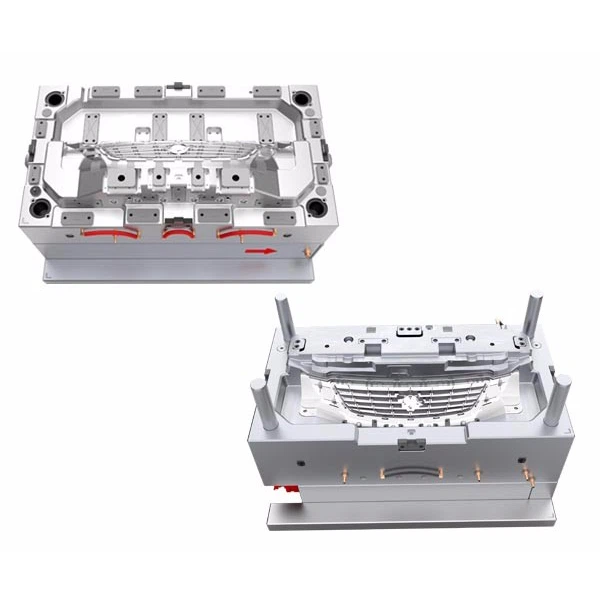
By building strong partnerships with our suppliers, we can stay updated on the latest technologies and best practices in grille mould maintenance. This allows us to offer our customers more reliable and efficient moulds and better support for their maintenance needs.
Conclusion
Maintaining a grille mould is a complex but essential task for any grille mould supplier. By following the steps outlined in this blog, including regular cleaning, inspection, lubrication, temperature control, proper storage, and implementing a preventive maintenance plan, you can ensure the long - term performance and reliability of your grille moulds.
If you are interested in our grille mould products or need more information on grille mould maintenance, we invite you to contact us for procurement and further discussions. We are committed to providing you with high - quality grille moulds and comprehensive support services.
References
- "Mould Design and Manufacturing Handbook"
- "Plastic Injection Mould Technology"
- Industry whitepapers on automotive and air - conditioner grille mould maintenance