

As a seasoned supplier of Washing Machine Moulds, I've witnessed firsthand the challenges and opportunities that come with optimizing the productivity of a washing machine mould production line. In this blog post, I'll share some practical strategies and insights that can help you enhance the efficiency and output of your production line.
1. Advanced Equipment and Technology Adoption
Investing in state - of - the - art equipment is the cornerstone of improving productivity. Modern CNC machining centers can offer higher precision and faster processing speeds compared to traditional machines. These machines are capable of creating complex mould geometries with minimal human intervention, reducing the risk of errors and rework.
For instance, 5 - axis CNC machining centers can access multiple sides of a workpiece in a single setup, which significantly shortens the production cycle. Additionally, incorporating automated tool changers can reduce downtime between operations.
Another crucial aspect is the use of simulation software. Software like Moldflow can simulate the injection molding process, predicting potential defects such as warping, air traps, and uneven filling. By identifying these issues in the design phase, you can make necessary adjustments to the mould design, reducing the number of trial - and - error runs on the production line.
2. Streamlined Workflow Design
A well - designed workflow is essential for maximizing productivity. First, map out the entire production process, from raw material intake to the final inspection of the mould. Identify bottlenecks and areas where work accumulates. For example, if the heat treatment process takes too long and causes a backlog, consider adding an additional heat treatment furnace or optimizing the heat treatment parameters to reduce the processing time.
Implement a lean manufacturing approach. This involves eliminating waste in all forms, such as overproduction, waiting time, unnecessary transportation, and excess inventory. Use a just - in - time (JIT) inventory system to ensure that raw materials and components arrive at the production line exactly when they are needed, reducing storage costs and the risk of material obsolescence.
3. Quality Control Integration
Integrating quality control into every step of the production process can prevent defective products from reaching the end of the line. Implement in - process quality checks using advanced measurement tools such as coordinate measuring machines (CMMs). These tools can accurately measure the dimensions of the mould components during production, allowing for immediate adjustments if any deviations from the design specifications are detected.
Regularly calibrate all measurement and production equipment to ensure accurate and consistent results. Train your operators on quality control procedures and the importance of maintaining high - quality standards. A high - quality mould not only reduces the number of rejected products but also enhances the reputation of your brand, leading to more business opportunities.
4. Employee Training and Development
Your employees are the most valuable asset in your production line. Provide comprehensive training programs for new employees to familiarize them with the production equipment, processes, and safety procedures. For experienced employees, offer continuous training to keep them updated on the latest technologies and best practices in mould production.
Encourage a culture of innovation and problem - solving among your employees. Set up suggestion boxes or regular team meetings where employees can share their ideas for improving productivity. Reward employees for their contributions to process improvement, which can boost morale and motivation.
5. Supply Chain Management
A reliable supply chain is crucial for the smooth operation of your production line. Establish strong relationships with your suppliers to ensure a steady supply of high - quality raw materials. Negotiate favorable terms, such as long - term contracts and volume discounts, to reduce costs.
Monitor your suppliers' performance regularly. If a supplier consistently fails to meet your quality or delivery requirements, consider finding an alternative supplier. Additionally, diversify your supplier base to reduce the risk of supply disruptions caused by factors such as natural disasters or political instability.
6. Maintenance and Upkeep
Regular maintenance of your production equipment is vital to prevent breakdowns and ensure optimal performance. Develop a detailed maintenance schedule for all machines and tools, including daily, weekly, monthly, and annual maintenance tasks. Train your maintenance staff on the proper maintenance procedures and provide them with the necessary tools and spare parts.
Keep detailed records of all maintenance activities, including the date of maintenance, the parts replaced, and any issues detected. Analyze these records to identify patterns and potential areas for improvement. For example, if a particular machine frequently breaks down, it may be time to consider upgrading or replacing it.
7. Product Design for Manufacturability
When designing washing machine moulds, consider the ease of manufacturing. Simplify the design as much as possible without sacrificing functionality. Use standard components and features whenever possible, as they are easier to source and manufacture.
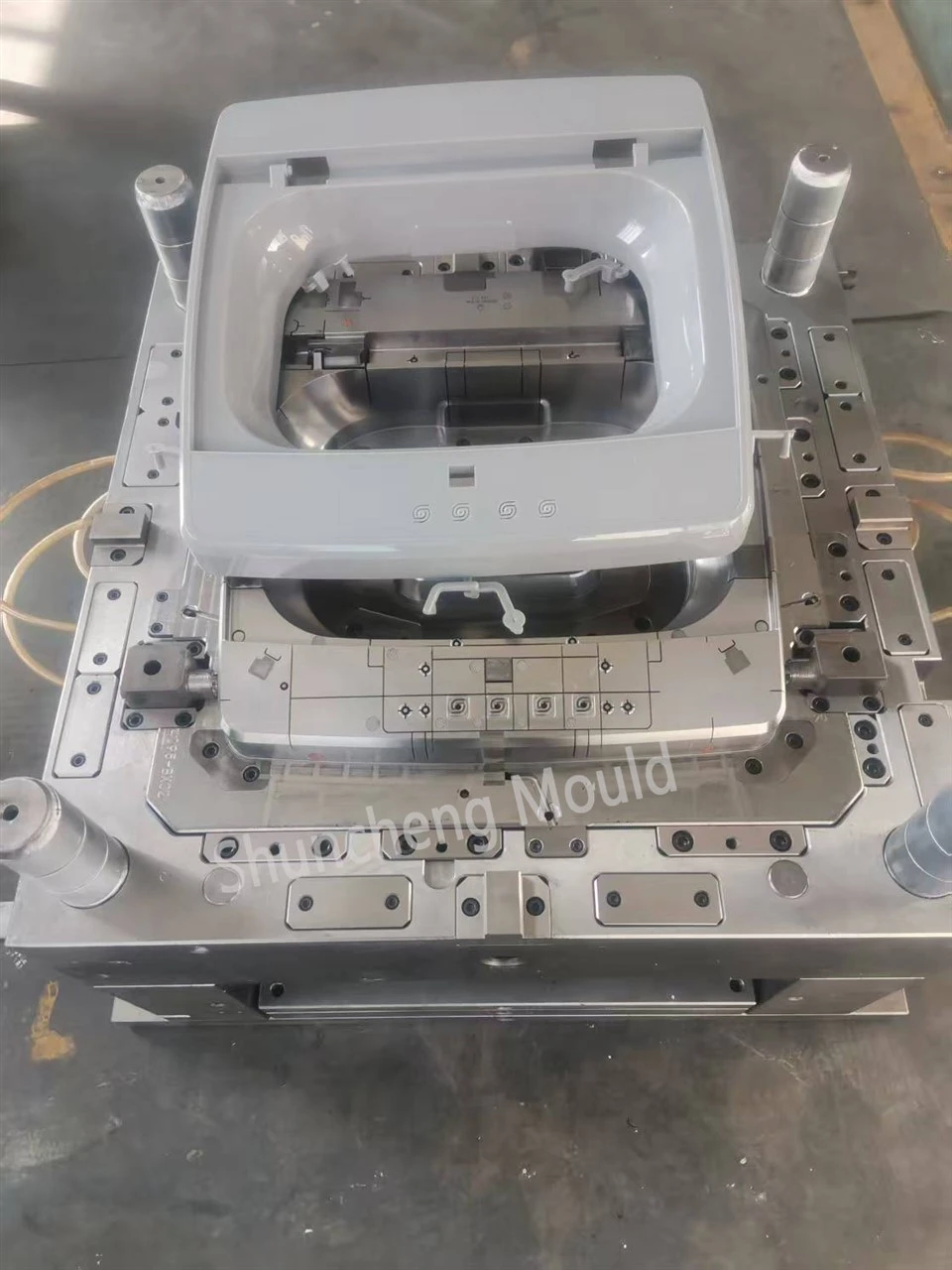
For example, if you are designing a Washing Machine Base Mould, try to use a modular design approach. This allows for easier assembly and disassembly of the mould, reducing the time required for maintenance and repair. Similarly, for a Washing Machine Control Panel Seat Mould, design it in a way that minimizes the number of complex features that require special machining operations.
8. Production Planning and Scheduling
Effective production planning and scheduling can ensure that the production line operates at full capacity. Use production planning software to create detailed production schedules based on customer orders, available resources, and production capacity. Consider factors such as machine availability, labor skills, and material availability when creating the schedule.

Optimize the sequencing of jobs on the production line. Group similar jobs together to reduce the setup time between jobs. For example, if you have multiple moulds that require the same heat treatment process, schedule them back - to - back to minimize the time spent on adjusting the heat treatment furnace settings.
9. Continuous Improvement
Adopt a continuous improvement mindset. Regularly review your production processes, performance metrics, and quality control results. Use key performance indicators (KPIs) such as production output, defect rate, and on - time delivery to measure the effectiveness of your productivity improvement efforts.
Conduct root - cause analysis for any problems or inefficiencies that occur on the production line. Once the root cause is identified, develop and implement corrective actions. Monitor the results of these actions to ensure that they are effective in improving productivity.
Conclusion
Improving the productivity of a washing machine mould production line is a multifaceted process that requires a combination of advanced technology, streamlined workflows, quality control, employee training, and effective supply chain management. By implementing the strategies outlined in this blog post, you can enhance the efficiency of your production line, reduce costs, and improve the quality of your washing machine moulds.
If you are in the market for high - quality Washing Machine Seat Mould or other washing machine moulds, we are here to help. Our experienced team is dedicated to providing you with the best solutions for your moulding needs. We invite you to contact us to discuss your requirements and start a fruitful business partnership.
References
- "Manufacturing Engineering & Technology" by Serope Kalpakjian and Steven Schmid.
- "Lean Manufacturing: Tools and Applications for Supply Chain Management" by Paul Myerson.
- "Quality Control Handbook" by J. M. Juran and A. B. Godfrey.