

As a supplier of washing machine moulds, I've witnessed firsthand the significant waste generated during the production process. This waste not only poses environmental challenges but also impacts our production costs and efficiency. In this blog, I'll share some effective strategies on how to handle the waste generated during washing machine mould production.
Understanding the Types of Waste in Washing Machine Mould Production
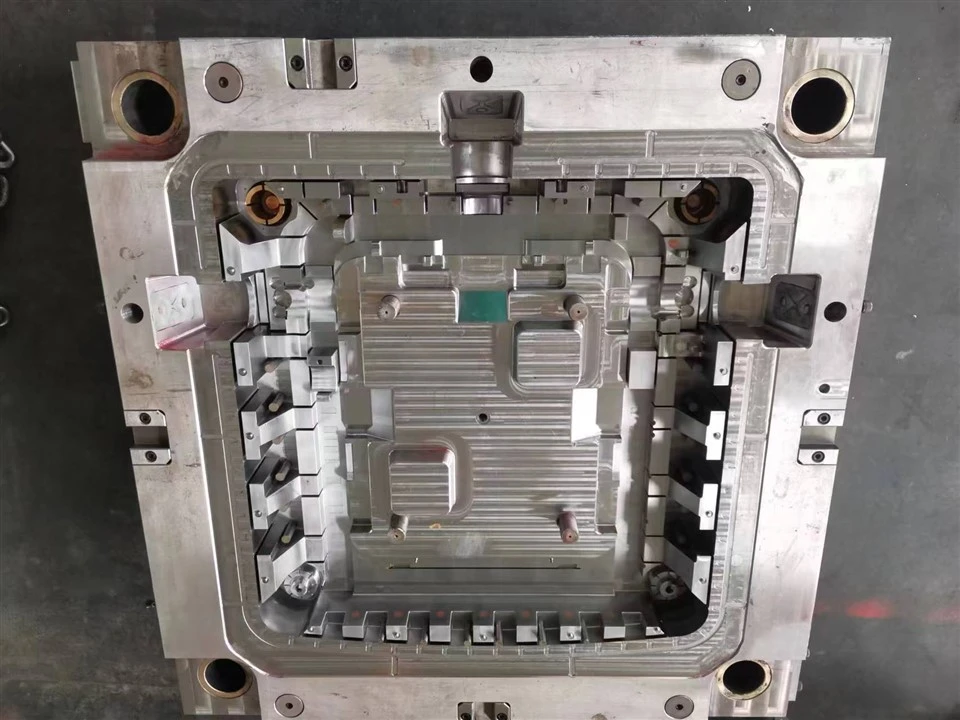
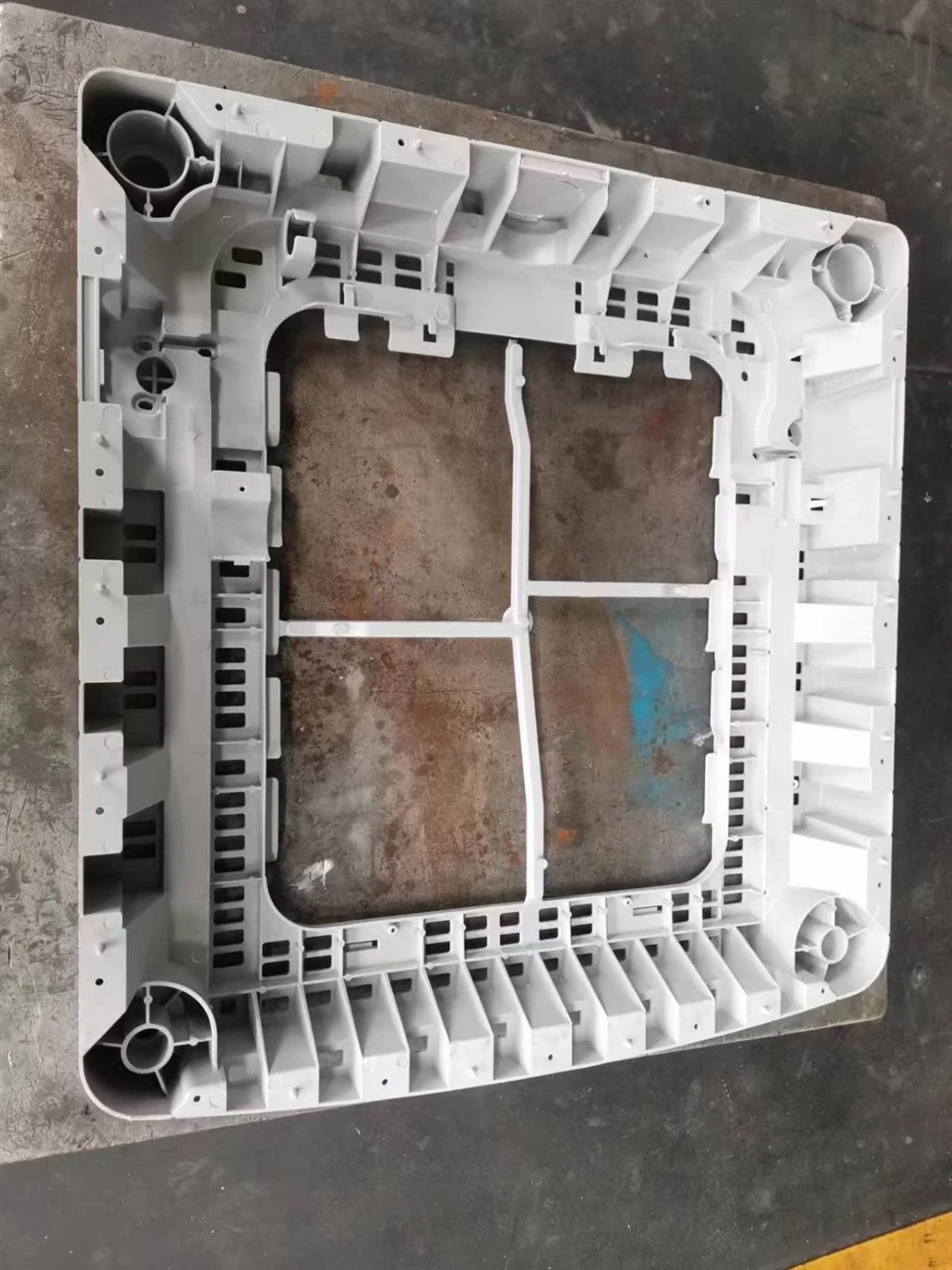
Before we delve into waste management strategies, it's crucial to understand the types of waste produced. In the manufacturing of Plastic Washing Machine Mould, Washing Machine Base Mould, and Washing Machine Rear Drum Mould, several types of waste are common:
- Metal Waste: During the machining of moulds, metal chips and scraps are generated. These can come from processes like milling, turning, and drilling. The metal used in mould production is often high - quality steel, which has a significant value if recycled.
- Plastic Waste: In plastic moulding operations, excess plastic is left over. This can include sprue, runners, and parts that are rejected due to quality issues. The plastic waste can be in various forms, such as thermoplastics and thermosetting plastics, each requiring different recycling approaches.
- Chemical Waste: The production process may involve the use of chemicals for surface treatment, cleaning, and lubrication. These chemicals, if not properly managed, can be harmful to the environment. For example, some cleaning agents may contain heavy metals or toxic solvents.
- Packaging Waste: Moulds are often shipped with packaging materials such as wooden crates, cardboard boxes, and plastic wraps. This packaging waste can accumulate quickly and contribute to the overall waste volume.
Strategies for Metal Waste Management
Recycling
One of the most effective ways to handle metal waste is through recycling. We can collect the metal chips and scraps generated during machining and send them to a metal recycling facility. Recycling not only reduces the amount of waste going to landfills but also conserves natural resources. The recycled metal can be melted down and reused in the production of new steel, which can then be used for future mould production.
Reuse in - house
In some cases, smaller metal scraps can be reused in - house for non - critical applications. For example, they can be used as test pieces for new machining operations or as fillers in low - stress areas of the mould if they meet the required quality standards.
Proper Storage
Proper storage of metal waste is essential to prevent corrosion and contamination. We should store the metal chips and scraps in designated containers and keep them in a dry environment. This ensures that the metal retains its value and is suitable for recycling.
Approaches to Plastic Waste Handling
Recycling
Plastic waste from mould production can often be recycled. Thermoplastics, such as ABS and polypropylene, can be granulated and reused in the injection moulding process. However, it's important to ensure that the recycled plastic meets the quality requirements of the final product. This may involve sorting the plastic waste by type and quality before recycling.
Reducing Waste Generation
To minimize plastic waste, we can optimize the mould design. By reducing the size of sprue and runners, we can decrease the amount of excess plastic produced. Additionally, implementing quality control measures early in the production process can reduce the number of rejected parts, thereby reducing plastic waste.
Composting (for Biodegradable Plastics)
If the plastic used in the moulding process is biodegradable, composting can be an option. Biodegradable plastics break down naturally over time, reducing the environmental impact. However, the use of biodegradable plastics in mould production is still relatively limited due to their cost and performance limitations.
Chemical Waste Management
Safe Disposal
Chemical waste should be handled with extreme caution. We need to identify the type of chemical waste and follow the local regulations for its disposal. Some chemical waste may need to be treated before disposal to neutralize its harmful properties. For example, acidic or alkaline waste may need to be neutralized to a safe pH level.
Reduction in Usage
We can also reduce chemical waste by minimizing the use of chemicals in the production process. This can be achieved by using more environmentally friendly alternatives or by optimizing the chemical processes. For example, using water - based cleaning agents instead of solvent - based ones can significantly reduce the amount of chemical waste generated.
Packaging Waste Management
Reuse
Packaging materials such as wooden crates and cardboard boxes can often be reused. We can inspect the packaging after the moulds are delivered and repair any damaged parts. The reused packaging can then be used for future shipments, reducing the need for new packaging materials.
Recycling
For packaging materials that cannot be reused, recycling is the next best option. Cardboard boxes can be recycled into new paper products, and plastic wraps can be recycled into new plastic items. Wooden crates can be recycled into wood chips or used as biomass fuel.
Minimizing Overall Waste Generation
Lean Manufacturing Principles
Implementing lean manufacturing principles can help us reduce waste at every stage of the production process. By optimizing the production flow, eliminating non - value - added activities, and improving quality control, we can minimize the amount of waste generated. For example, a well - organized production line can reduce the time and resources wasted on rework and scrap.
Staff Training
Proper training of our staff is crucial for waste management. Employees should be educated on the importance of waste reduction and the correct procedures for handling different types of waste. By raising awareness among the workforce, we can ensure that everyone is involved in the waste management process.
Benefits of Effective Waste Management
Environmental Benefits
Effective waste management reduces the amount of waste going to landfills, conserves natural resources, and minimizes the environmental impact of our production activities. By recycling and reusing materials, we can reduce the energy consumption and greenhouse gas emissions associated with the extraction and production of new materials.
Cost Savings
Recycling and reusing materials can lead to significant cost savings. For example, by recycling metal and plastic waste, we can reduce the cost of raw materials. Additionally, proper waste management can reduce the cost of waste disposal, which can be a significant expense for a manufacturing company.
Improved Reputation
In today's environmentally conscious market, customers are increasingly looking for suppliers who are committed to sustainable practices. By implementing effective waste management strategies, we can enhance our reputation as a responsible and sustainable supplier, which can lead to increased business opportunities.
Conclusion
Handling the waste generated during washing machine mould production is a complex but necessary task. By understanding the different types of waste and implementing appropriate management strategies, we can reduce our environmental impact, save costs, and improve our overall business performance. As a washing machine mould supplier, we are committed to continuous improvement in waste management and sustainable production practices.
If you are interested in our Plastic Washing Machine Mould, Washing Machine Base Mould, or Washing Machine Rear Drum Mould, please feel free to contact us for procurement and negotiation. We look forward to working with you to meet your moulding needs.
References
- "Waste Management in Manufacturing Industries" - A research report on waste management best practices in manufacturing.
- "Plastic Recycling Handbook" - A comprehensive guide on plastic recycling processes and techniques.
- "Metal Recycling: Principles and Practices" - A resource for understanding the metal recycling industry and its applications.