

As a supplier of Plastic Chair Moulds, I've seen firsthand how crucial it is to ensure the durability of these tools. A durable plastic chair mould not only saves costs in the long run but also guarantees consistent production quality. In this blog, I'll share some practical tips on how to achieve and maintain the durability of a plastic chair mould.
1. Choose the Right Material
The foundation of a durable plastic chair mould lies in the material selection. High - quality steel is often the go - to choice. Materials like P20, H13, and S7 are popular in the industry. P20 is known for its good polishability and pre - hardened state, which makes it suitable for general plastic chair moulds. H13, on the other hand, is heat - resistant and has excellent toughness, making it ideal for high - volume production where the mould is exposed to high temperatures and pressures. S7 steel offers high impact resistance, which is great for moulds that might experience sudden shocks during the injection process.
When you're in the market for a plastic chair mould, don't just go for the cheapest option. Investing in a mould made from high - quality steel might cost more upfront, but it will pay off in the long term. For example, if you're looking for a Half Rattan Chair Mould, make sure the supplier uses the right steel to ensure its durability.
2. Precision in Design and Manufacturing
A well - designed plastic chair mould is half the battle. The design should take into account the flow of plastic, cooling channels, and the ease of ejection. If the plastic doesn't flow smoothly through the mould, it can cause uneven stress on the mould walls, leading to premature wear and tear.

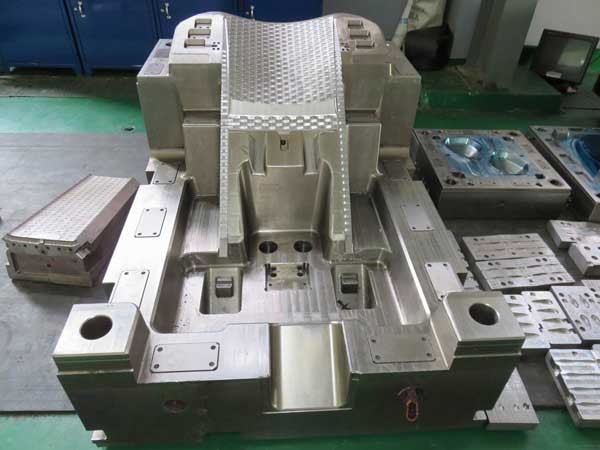
During the manufacturing process, precision is key. CNC machining is a popular method for creating plastic chair moulds as it offers high accuracy. The mould cavities need to be machined to the exact specifications, and any rough edges should be smoothed out. This not only ensures a better finish on the plastic chairs but also reduces the risk of stress concentrations that can damage the mould.
For instance, a Plastic Injection Chair Mould requires precise design and manufacturing to ensure that the plastic is injected evenly and the chair is formed correctly every time.
3. Proper Heat Treatment
Heat treatment is an essential step in enhancing the durability of a plastic chair mould. It can improve the hardness, toughness, and wear resistance of the steel. Quenching and tempering are common heat - treatment processes. Quenching involves rapidly cooling the steel to increase its hardness, while tempering is done to relieve the internal stresses created during quenching and to improve the toughness.
The heat - treatment process should be carefully controlled. If the temperature is too high or the cooling rate is too fast, it can lead to cracking or distortion of the mould. On the other hand, if the heat treatment is not done properly, the mould might not have the desired properties.
4. Regular Maintenance
Just like any other tool, a plastic chair mould needs regular maintenance to stay in good shape. After each production run, the mould should be cleaned thoroughly to remove any plastic residue, lubricants, or contaminants. A simple cleaning solution and a soft brush can do the trick.
Inspect the mould regularly for signs of wear, such as scratches, dents, or cracks. If you notice any issues, address them immediately. Minor scratches can be polished out, but more serious damage might require repair or even replacement of parts.
Lubrication is also important. Apply a suitable lubricant to the moving parts of the mould, such as the ejector pins and slides, to reduce friction and prevent premature wear.
5. Correct Operation
How you operate the plastic chair mould can significantly affect its durability. Make sure the injection machine is set up correctly. The injection pressure, temperature, and speed should be within the recommended range for the specific mould and plastic material.
Over - injecting the plastic can put excessive stress on the mould, while under - injecting can lead to incomplete filling and uneven wear. Also, ensure that the mould is properly clamped in the injection machine to prevent any movement during the injection process.
6. Storage Conditions
When the plastic chair mould is not in use, it should be stored properly. Store it in a dry, clean environment to prevent rust and corrosion. If possible, cover the mould with a protective coating or a plastic sheet.
Avoid stacking heavy objects on top of the mould as it can cause deformation. Also, make sure the mould is stored in an upright position to prevent any warping.
7. Upgrades and Modifications
As your production requirements change or new technologies become available, consider upgrading or modifying your plastic chair mould. For example, if you're currently using a Rattan Chair Injection Mould and want to improve the quality of the rattan texture, you might be able to modify the mould to achieve better results.
Upgrading the cooling system or the ejection mechanism can also enhance the performance and durability of the mould.
In conclusion, ensuring the durability of a plastic chair mould is a combination of choosing the right material, precise design and manufacturing, proper heat treatment, regular maintenance, correct operation, appropriate storage, and timely upgrades. By following these tips, you can extend the lifespan of your plastic chair mould and get the most out of your investment.
If you're in the market for a high - quality and durable plastic chair mould, we're here to help. We have a wide range of plastic chair moulds to meet your specific needs. Feel free to reach out to us for more information and to start a procurement discussion.
References
- "Plastic Mould Design and Manufacturing Handbook"
- Industry reports on plastic chair mould production and maintenance.