

Creating a unique pattern on a baby car using a mold is an exciting endeavor that combines creativity and precision. As a seasoned Baby Car Mold supplier, I've witnessed firsthand the transformative power of custom molds in the baby car industry. In this blog post, I'll share valuable insights on how to create a one-of-a-kind pattern on a baby car using a mold, from design concepts to the final production steps.
Understanding the Basics of Baby Car Molds
Before diving into the pattern creation process, it's essential to have a solid understanding of baby car molds. These molds are typically made from high-quality materials such as steel or aluminum, which offer durability and precision. They come in various shapes and sizes, depending on the specific design requirements of the baby car.
As a Baby Car Mold supplier, I work closely with clients to understand their vision and translate it into a functional mold. This involves collaborating on design concepts, discussing material options, and ensuring that the mold meets all safety and quality standards.
Designing the Unique Pattern
The first step in creating a unique pattern on a baby car using a mold is to design the pattern itself. This is where creativity takes center stage. You can draw inspiration from various sources, such as nature, art, or popular culture. Consider the target audience for the baby car and the overall aesthetic you want to achieve.
When designing the pattern, it's important to keep in mind the limitations of the molding process. The pattern should be simple enough to be easily replicated in the mold but complex enough to stand out. Use computer-aided design (CAD) software to create a detailed digital model of the pattern. This will allow you to visualize the final product and make any necessary adjustments before manufacturing the mold.
Selecting the Right Mold Material
Once the pattern design is finalized, the next step is to select the appropriate mold material. As mentioned earlier, steel and aluminum are the most commonly used materials for baby car molds. Steel molds are known for their durability and precision, making them ideal for high-volume production. Aluminum molds, on the other hand, are lighter and more cost-effective, making them a popular choice for smaller production runs.
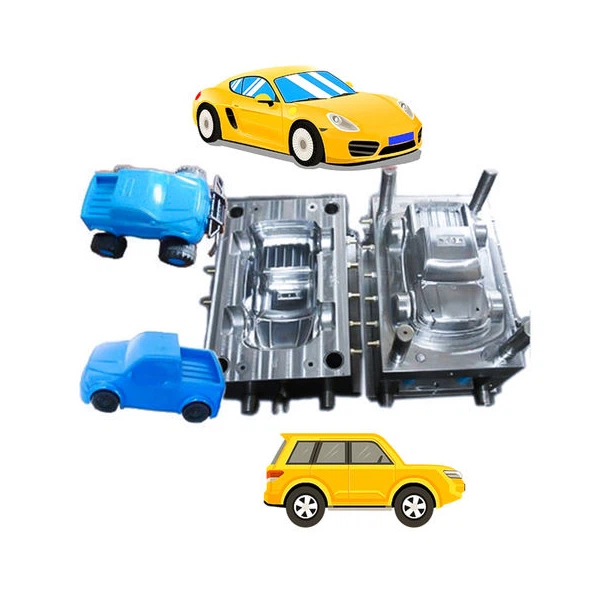

When choosing the mold material, consider factors such as the complexity of the pattern, the expected production volume, and the budget. As a Baby Car Mold supplier, I can provide expert advice on the best material for your specific needs.
Manufacturing the Mold
After selecting the mold material, the manufacturing process begins. This involves several steps, including machining, heat treatment, and finishing. Machining is the process of shaping the mold using cutting tools. Heat treatment is used to improve the hardness and durability of the mold. Finishing involves polishing the mold surface to ensure a smooth and even finish.
Throughout the manufacturing process, strict quality control measures are implemented to ensure that the mold meets all specifications. As a Baby Car Mold supplier, I have state-of-the-art manufacturing facilities and a team of experienced technicians who are dedicated to producing high-quality molds.
Creating the Pattern on the Baby Car
Once the mold is ready, it's time to create the pattern on the baby car. This is typically done using an injection molding process. In this process, molten plastic is injected into the mold under high pressure. The plastic fills the mold cavity, taking on the shape of the pattern. After the plastic cools and solidifies, the mold is opened, and the baby car with the unique pattern is removed.
During the injection molding process, it's important to control the temperature, pressure, and injection speed to ensure a high-quality product. As a Baby Car Mold supplier, I can provide guidance on the optimal injection molding parameters for your specific mold and plastic material.
Quality Control and Testing
After the baby car with the unique pattern is produced, it undergoes a series of quality control checks and tests. This includes visual inspection, dimensional measurement, and functional testing. The pattern should be clear, sharp, and free of defects. The baby car should also meet all safety and quality standards.
As a Baby Car Mold supplier, I have a rigorous quality control system in place to ensure that every product meets or exceeds customer expectations. I also offer after-sales support to address any issues or concerns that may arise.
Exploring Related Molds
In addition to baby car molds, there are other types of molds that are relevant to the children's product industry. For example, Child Safety Seat Mold is essential for manufacturing child safety seats, which are crucial for protecting children during car rides. Plastic Toy Injection Mould is used to create a wide range of plastic toys for children. Children Electrical Car Mould is designed for manufacturing electric cars for children.
These related molds offer additional opportunities for creativity and innovation in the children's product industry. As a Baby Car Mold supplier, I can also provide these types of molds to meet the diverse needs of my customers.
Conclusion
Creating a unique pattern on a baby car using a mold is a complex but rewarding process. It requires a combination of creativity, technical expertise, and quality control. As a Baby Car Mold supplier, I'm committed to providing my customers with high-quality molds and exceptional service. Whether you're a small business looking to create a unique baby car design or a large manufacturer in need of mass production molds, I can help you bring your vision to life.
If you're interested in learning more about our Baby Car Molds or other related molds, I encourage you to contact us for a consultation. Our team of experts is ready to assist you in every step of the process, from design to production. Let's work together to create something truly special for the little ones.
References
- "Injection Molding Handbook" by O. Olumuyiwa and M. A. Lawal
- "Plastic Molding Technology" by John A. Scheirs
- "Design for Injection Molding" by Michael P. Sepe