

How to Choose Educational Children Toys?
As a seasoned supplier of children toys, I've witnessed firsthand the profound impact that well-chosen toys can have on a child's development. In today's market, the array of children's toys is vast and varied, making the selection process both exciting and challenging for parents and guardians. This blog aims to provide you with practical guidelines on how to choose educational children toys, taking into account different age groups and developmental needs.
Understanding the Importance of Educational Toys
Educational toys are not just playthings; they are tools that stimulate a child's cognitive, physical, and social-emotional development. Through play, children learn essential skills such as problem-solving, creativity, and communication. For instance, building blocks can enhance spatial awareness and fine motor skills, while board games can teach strategic thinking and turn-taking.
Age-Appropriate Toy Selection
Infants (0 - 12 months)
At this stage, infants are exploring the world through their senses. Toys that are soft, colorful, and make sounds are ideal. Rattles, plush toys, and sensory balls can engage their sense of touch, sight, and hearing. Look for toys with different textures, such as smooth, rough, and bumpy, to provide a variety of sensory experiences.
Toddlers (1 - 3 years)
Toddlers are becoming more mobile and curious. They enjoy toys that allow them to practice their gross and fine motor skills. Push and pull toys, stacking blocks, and shape sorters are great choices. These toys help develop hand-eye coordination, balance, and problem-solving abilities. For example, a Rocking Car can provide both physical exercise and imaginative play opportunities for toddlers.
Preschoolers (3 - 5 years)
Preschoolers are in a stage of rapid language and social development. Toys that encourage pretend play, such as dress-up clothes, play kitchens, and toy doctors' kits, can enhance their creativity and social skills. They also start to develop an interest in numbers, letters, and colors. Educational puzzles, counting games, and alphabet blocks can support their early learning.
School-Age Children (6 - 12 years)
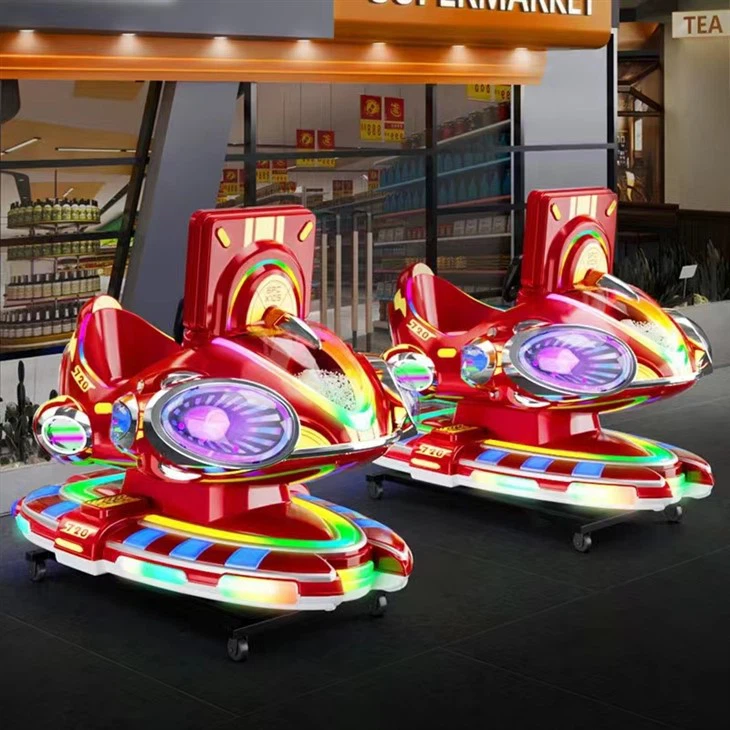
As children enter school, they need toys that challenge their intellect and creativity. Science kits, model-building sets, and educational video games can stimulate their curiosity and love for learning. For example, a Galaxy Fighter can spark their interest in space and technology, while also providing hours of entertainment.
Key Features to Look for in Educational Toys
Quality and Safety
Safety should always be your top priority when choosing toys for children. Look for toys that are made from non-toxic materials and meet international safety standards. Check for small parts that could pose a choking hazard, especially for younger children. High-quality toys are also more durable and can withstand rough play.
Educational Value
Consider the educational benefits of the toy. Does it teach new skills or knowledge? Can it be used in multiple ways to promote creativity and problem-solving? For example, a construction toy can be used to build different structures, which helps develop spatial awareness and engineering skills.
Engagement and Fun
A toy should be engaging and fun for the child. If a child is not interested in a toy, they are less likely to play with it and benefit from its educational value. Look for toys that match the child's interests and hobbies. For example, if a child loves animals, a toy zoo or a nature exploration kit would be a great choice.
Durability
Children can be rough on toys, so it's important to choose toys that are durable. Look for toys made from sturdy materials, such as wood or high-quality plastic. Well-made toys can last for a long time and provide value for money.
Special Considerations for Different Types of Educational Toys
STEM Toys
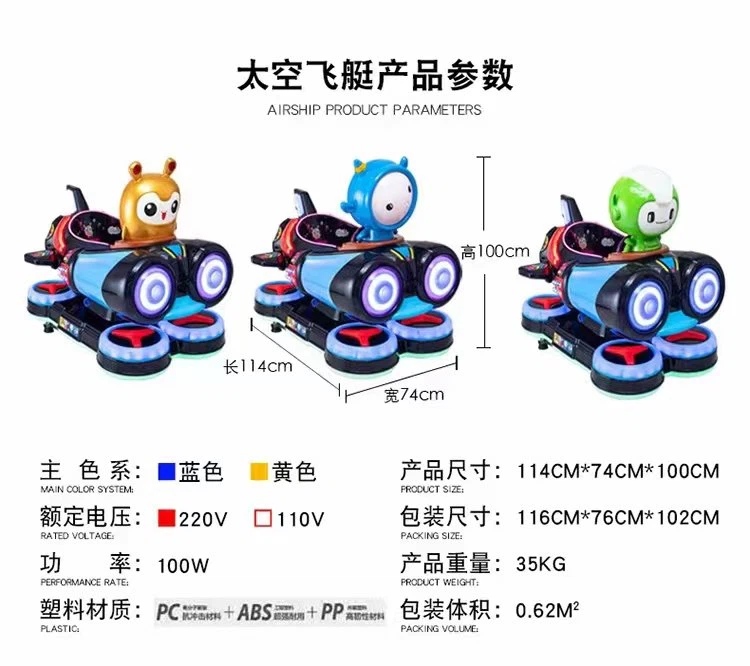
STEM (Science, Technology, Engineering, and Mathematics) toys are becoming increasingly popular as they help children develop critical thinking and problem-solving skills. When choosing STEM toys, look for toys that are hands-on and allow children to experiment and learn through trial and error. For example, a Airship Product can teach children about aerodynamics and engineering principles.
Arts and Crafts Toys
Arts and crafts toys are great for developing creativity and fine motor skills. Look for toys that provide a variety of materials and tools, such as paints, brushes, crayons, and paper. These toys allow children to express themselves and create their own masterpieces.
Social and Emotional Toys
Toys that promote social and emotional development are important for helping children learn how to interact with others and manage their emotions. Dolls, stuffed animals, and board games can provide opportunities for role-playing and social interaction.
Conclusion
Choosing the right educational toys for children is a rewarding process that can have a lasting impact on their development. By considering the child's age, interests, and developmental needs, as well as the quality, safety, and educational value of the toys, you can make informed decisions that will benefit the child in the long run.
If you're interested in sourcing high-quality educational children toys for your store or organization, we're here to assist you. Our extensive range of toys is designed to meet the diverse needs of children at different stages of development. We offer competitive prices, excellent customer service, and fast shipping. Contact us today to start a discussion about your toy procurement needs. We look forward to partnering with you to provide children with the best educational toys possible.
References
- Berk, L. E. (2018). Infants, children, and adolescents. Pearson.
- Ginsburg, K. R. (2007). The importance of play in promoting healthy child development and maintaining strong parent-child bonds. Pediatrics, 120(1), 182-191.
- National Association for the Education of Young Children (NAEYC). (n.d.). Developmentally appropriate practice. Retrieved from https://www.naeyc.org/dap