

Hey there! I'm a supplier of bumper molds, and today I wanna chat about how the weight of a bumper mold affects its handling. As someone who's been in the game for a while, I've seen firsthand the impact that weight can have on every step of the process, from manufacturing to installation.

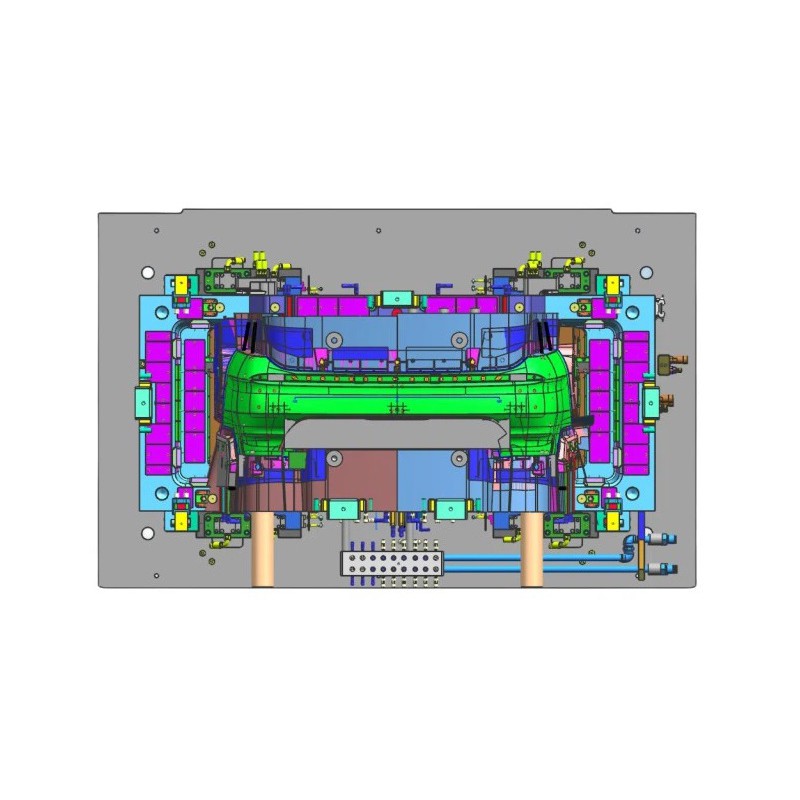
Let's start with the basics. Bumper molds come in all shapes and sizes, and their weight can vary significantly depending on a few key factors. The material used to make the mold is a major determinant. For example, molds made from steel are generally heavier than those made from aluminum. Steel is known for its durability and strength, which is great for high - volume production. But that strength comes at a cost – a higher weight. On the other hand, aluminum molds are lighter, which can be an advantage in some situations, but they might not be as long - lasting as steel ones.
The size of the bumper mold also plays a huge role in its weight. Larger molds for full - size SUV bumpers, for instance, are going to be much heavier than those for compact car bumpers. And when you're dealing with a heavy mold, handling it becomes a real challenge.
During the manufacturing process, weight can slow things down. Moving a heavy mold around the factory floor isn't easy. You need specialized equipment like forklifts or cranes to lift and transport it. These machines are expensive to operate, and they also require trained operators. If the mold is too heavy, it might even require larger and more powerful equipment, which means more money spent on machinery and labor.
Moreover, heavy molds can put a strain on the manufacturing equipment. Injection molding machines, for example, have to work harder to handle the weight of a heavy mold. This can lead to increased wear and tear on the machine, reducing its lifespan and increasing maintenance costs. Over time, the extra stress on the machine can also result in more frequent breakdowns, which can disrupt production schedules and lead to lost revenue.
When it comes to shipping, weight is a major concern. Shipping companies charge based on weight, so a heavy bumper mold can cost a fortune to transport. Not only that, but heavy molds also require more careful packaging to prevent damage during transit. You need to use sturdy crates and plenty of cushioning materials, which adds to the overall cost. And if the mold is too heavy, it might even require special shipping arrangements, such as flatbed trucks or cargo planes, which are even more expensive.
Installation is another area where the weight of a bumper mold can cause problems. Installing a heavy mold in an injection molding machine is a delicate process. It requires precision and careful alignment. If the mold is too heavy, it can be difficult to position it correctly, which can lead to misaligned parts and defective products. And let's not forget about the physical strain on the workers. Lifting and installing a heavy mold is a physically demanding task, and it can increase the risk of workplace injuries.
But it's not all bad news. Sometimes, a heavier mold can actually be an advantage. A heavier steel mold, for example, can provide better stability during the injection molding process. It can resist the high pressures and temperatures involved in molding, resulting in more consistent and high - quality products. And in some cases, the durability of a heavy mold can offset the higher handling costs over the long run.
Now, let's talk about some solutions to the handling problems caused by heavy bumper molds. One option is to use lighter materials like aluminum or composite materials. These materials can reduce the weight of the mold without sacrificing too much in terms of strength and durability. Another solution is to design the mold in a way that distributes the weight more evenly. This can make it easier to handle and reduce the stress on the manufacturing equipment.
If you're in the market for a bumper mold, it's important to consider the weight and its impact on handling. At our company, we offer a wide range of bumper molds, including Car Lamp Injection Mold, Compression Molds For Automotive, and Rear Bumper Mould. We can help you choose the right mold based on your specific needs and budget. Whether you need a heavy - duty steel mold for high - volume production or a lighter aluminum mold for a more cost - effective solution, we've got you covered.
If you're interested in learning more about our bumper molds or have any questions about how weight affects handling, don't hesitate to reach out. We're here to help you make the best decision for your business. Contact us today to start the conversation and let's see how we can work together to meet your bumper mold needs.
References:
- "Plastic Injection Molding Handbook" by O. Olabisi
- "Automotive Manufacturing Technology" by various industry experts