

Hey there! As a supplier of Rear Bumper Mould, I've seen firsthand how the runner system in a rear bumper mould can have a huge impact on product quality. In this blog, I'm gonna break down what the runner system is, how it affects the rear bumper product, and why it matters for you as a buyer.
What's the Runner System in a Rear Bumper Mould?
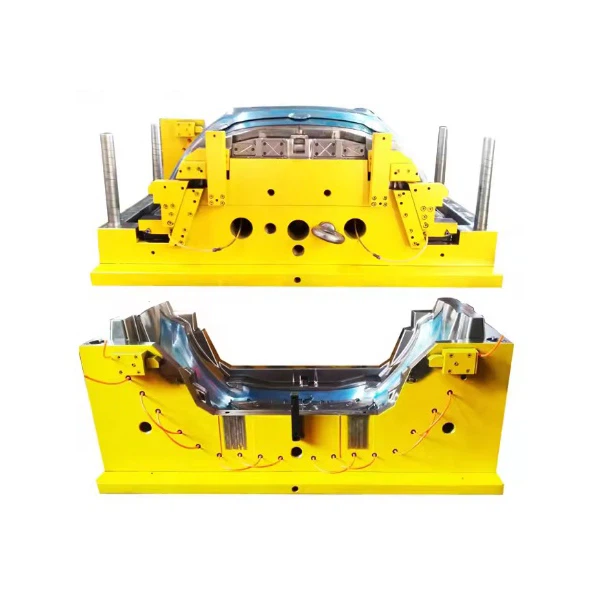
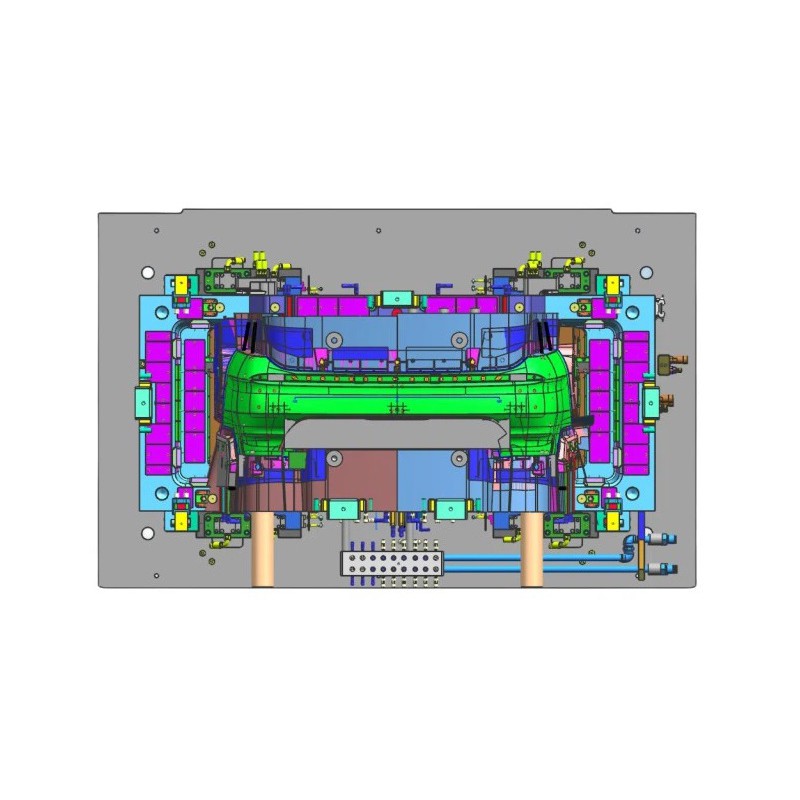
Let's start with the basics. The runner system in a Bumper Injection Mould is like the highway for the molten plastic. It's the network of channels that guides the plastic from the injection machine nozzle to the actual mould cavity where the rear bumper is formed. There are two main types of runner systems: hot runner systems and cold runner systems.
A hot runner system keeps the plastic in the runners at a high temperature, so it stays molten all the way to the mould cavity. This means less waste because you don't have to deal with solidified plastic in the runners after each cycle. On the other hand, a cold runner system allows the plastic in the runners to cool and solidify along with the part. You then have to separate the part from the runner scrap, which can be a bit of a hassle.
How the Runner System Affects Product Quality
Filling and Packing
One of the most critical aspects of product quality is how well the plastic fills the mould cavity. The runner system plays a key role here. If the runners are too small or have sharp corners, the molten plastic might not flow smoothly. This can lead to incomplete filling, where parts of the rear bumper don't get enough plastic. You end up with thin spots or even voids in the finished product.
A well - designed runner system ensures uniform filling. The plastic should reach all corners of the mould cavity at the same time. This helps in proper packing, which is when the extra plastic is pushed into the cavity to compensate for shrinkage as the plastic cools. If the packing is uneven, the rear bumper can have different densities in different areas, leading to warping or dimensional inaccuracies.
Surface Finish
The runner system can also affect the surface finish of the rear bumper. When the plastic flows through the runners, it can pick up impurities or air bubbles. If these are carried into the mould cavity, they can create blemishes on the surface of the bumper. For example, air bubbles can cause small pits or bumps, and impurities can result in discoloration or streaks.
In a hot runner system, since the plastic is kept molten, there's less chance of it picking up contaminants from the runners. This generally leads to a better surface finish compared to a cold runner system, where the plastic in the runners can cool and re - heat, potentially causing degradation and surface defects.
Material Properties
The way the plastic flows through the runner system can change its material properties. If the plastic experiences high shear stress in the runners, its molecular structure can be altered. High shear stress can break the polymer chains, reducing the strength and toughness of the rear bumper.
A well - balanced runner system distributes the plastic evenly and minimizes shear stress. This helps to maintain the original material properties of the plastic, ensuring that the rear bumper has the right mechanical strength and durability.
Case Studies: Real - World Impact
I remember a project where we were working on a rear bumper mould with a client. They initially wanted a cold runner system because it was cheaper upfront. But during the testing phase of the mould, we noticed some serious quality issues. The rear bumpers had visible weld lines, which are formed when two flow fronts of plastic meet in the mould cavity. These weld lines were weakening the bumper and making it look unappealing.
After some analysis, we found that the cold runner system was causing inconsistent flow of the plastic. We recommended switching to a hot runner system. The new runner system provided a more uniform flow of plastic, eliminating the weld lines and improving the overall quality of the rear bumpers. The client was initially hesitant about the additional cost, but once they saw the improved product quality and reduced scrap rate, they were really happy with the decision.
Why It Matters for You as a Buyer
As a buyer of rear bumper moulds, understanding the impact of the runner system on product quality is crucial. A high - quality runner system can save you money in the long run. You'll have fewer defective parts, which means less waste and lower production costs. You'll also get a better - looking and more durable rear bumper, which can enhance your brand image.
When you're choosing a rear bumper mould, don't just focus on the price. Look at the design of the runner system. Ask your mould supplier about their experience with different runner systems. A good supplier, like us, can recommend the best runner system for your specific requirements, whether it's based on the type of plastic you're using, the size and complexity of the rear bumper, or your production volume.
Conclusion and Call to Action
In conclusion, the runner system in a rear bumper mould is not something to be overlooked. It has a profound impact on product quality, from filling and packing to surface finish and material properties. As a Rear Bumper Mould supplier, we've got the expertise to design and build moulds with the right runner system for your needs.
If you're in the market for a high - quality rear bumper mould, don't hesitate to reach out to us. We can have a detailed discussion about your project, recommend the best runner system, and provide you with a competitive quote. Let's work together to create rear bumpers that meet the highest quality standards.
References
- Throne, J. L. (1996). Plastics Rheology and Processing. Marcel Dekker.
- Rosato, D. V., & Rosato, D. V. (2000). Injection Molding Handbook. Kluwer Academic Publishers.