

As a supplier of Rear Bumper Moulds, I've witnessed firsthand how the price fluctuations of raw materials can have a profound impact on the cost of these crucial automotive components. In this blog post, I'll delve into the intricate relationship between raw material prices and the cost of a rear bumper mould, exploring the various factors at play and offering insights into how these changes can affect the automotive industry as a whole.
The Basics of Rear Bumper Moulds
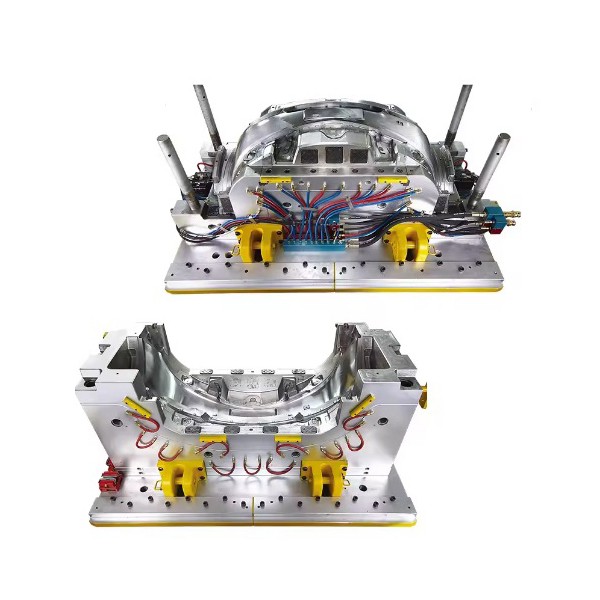
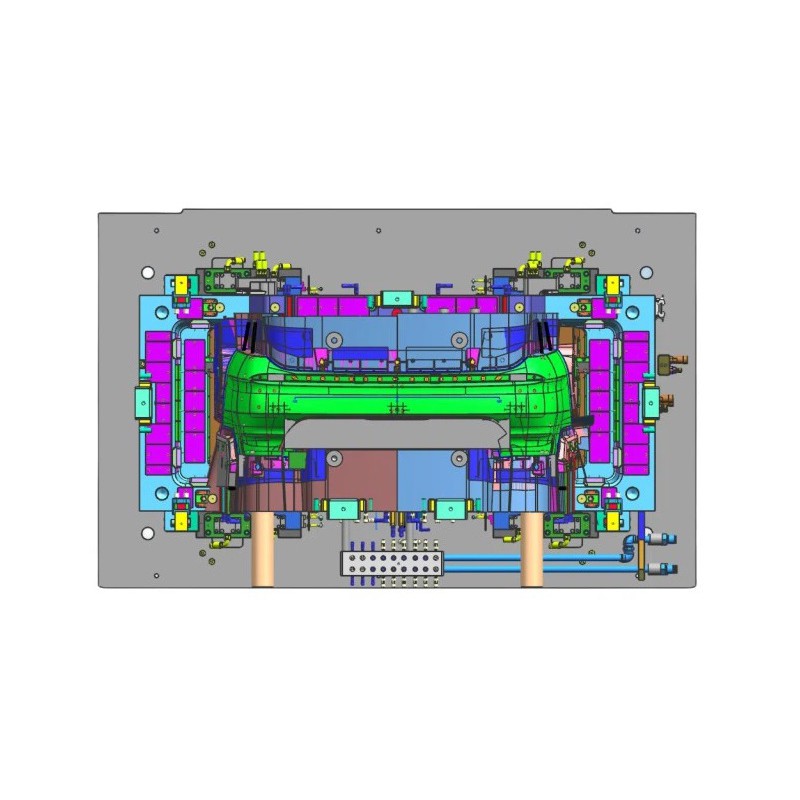
Before we dive into the impact of raw material prices, let's first understand what a rear bumper mould is and how it's used. A rear bumper mould is a specialized tool used in the manufacturing process of automotive rear bumpers. These moulds are typically made from high-quality steel or aluminum and are designed to shape the plastic or composite materials used to create the final bumper product.
The process of creating a rear bumper mould involves several steps, including design, machining, heat treatment, and finishing. Each step requires precision and expertise to ensure that the mould meets the exact specifications of the automotive manufacturer. Once the mould is complete, it is used in an injection molding process to produce the rear bumpers in large quantities.
The Role of Raw Materials in Rear Bumper Mould Production
Raw materials play a crucial role in the production of rear bumper moulds. The primary materials used in the manufacturing of these moulds are steel and aluminum, which are chosen for their strength, durability, and machinability. Other materials, such as plastics and composites, may also be used in the production of the final bumper product, but the focus here is on the materials used to create the mould itself.
The quality and cost of the raw materials used in the production of rear bumper moulds can have a significant impact on the overall cost of the mould. Higher-quality materials typically come at a higher price, but they also offer better performance and longer lifespan. On the other hand, lower-quality materials may be more affordable, but they may also result in a lower-quality mould that requires more frequent maintenance and replacement.
Factors Affecting the Price of Raw Materials
The price of raw materials is influenced by a variety of factors, both global and local. Some of the key factors that can affect the price of steel and aluminum include:
- Supply and Demand: The basic economic principle of supply and demand plays a significant role in determining the price of raw materials. If the demand for steel and aluminum is high and the supply is limited, the prices of these materials are likely to increase. Conversely, if the supply is abundant and the demand is low, the prices are likely to decrease.
- Global Economic Conditions: The global economy can have a significant impact on the price of raw materials. Economic growth, inflation, and currency exchange rates can all affect the demand for and supply of steel and aluminum, which in turn can impact their prices.
- Geopolitical Factors: Political instability, trade disputes, and natural disasters can all disrupt the supply chain of raw materials, leading to price fluctuations. For example, trade tariffs imposed on steel and aluminum imports can increase the cost of these materials for manufacturers in affected countries.
- Production Costs: The cost of producing steel and aluminum can also affect their prices. Factors such as energy costs, labor costs, and environmental regulations can all impact the production costs of these materials, which can then be passed on to the consumers.
Impact of Raw Material Price Fluctuations on Rear Bumper Mould Costs
The price fluctuations of raw materials can have a direct impact on the cost of rear bumper moulds. When the prices of steel and aluminum increase, the cost of producing the moulds also increases. This is because the manufacturer has to pay more for the raw materials, which in turn increases the overall cost of production.
In addition to the direct impact on the cost of raw materials, price fluctuations can also have an indirect impact on the cost of rear bumper moulds. For example, if the prices of raw materials increase, the manufacturer may have to invest in new equipment or technology to improve the efficiency of the production process. This can result in additional costs, which can also be passed on to the consumer.
On the other hand, when the prices of raw materials decrease, the cost of producing the moulds also decreases. This can result in lower prices for the final product, which can make it more competitive in the market. However, it's important to note that the price of raw materials is just one factor that affects the cost of rear bumper moulds. Other factors, such as labor costs, overhead expenses, and profit margins, also play a role in determining the final price of the mould.
Strategies for Managing the Impact of Raw Material Price Fluctuations
As a rear bumper mould supplier, it's important to have strategies in place to manage the impact of raw material price fluctuations. Here are some strategies that can help:
- Diversify Your Supply Chain: By working with multiple suppliers, you can reduce your dependence on a single source of raw materials. This can help you to mitigate the impact of price fluctuations and ensure a stable supply of materials.
- Negotiate Long-Term Contracts: Negotiating long-term contracts with your suppliers can help you to lock in favorable prices for raw materials. This can provide you with some stability and predictability in your production costs.
- Monitor Market Trends: Keeping a close eye on market trends and price fluctuations can help you to anticipate changes in the cost of raw materials. This can allow you to make informed decisions about when to purchase materials and how much to purchase.
- Improve Efficiency: Investing in new equipment and technology can help you to improve the efficiency of your production process. This can reduce your production costs and make your products more competitive in the market.
- Pass on Costs to Customers: In some cases, it may be necessary to pass on the increased costs of raw materials to your customers. However, it's important to do this in a transparent and fair manner, and to communicate the reasons for the price increase to your customers.
Conclusion
In conclusion, the price of raw materials has a significant impact on the cost of rear bumper moulds. Fluctuations in the prices of steel and aluminum can directly affect the cost of production, as well as have an indirect impact on other aspects of the manufacturing process. As a rear bumper mould supplier, it's important to be aware of these factors and to have strategies in place to manage the impact of price fluctuations.
If you're in the market for high-quality Rear Bumper Mould, Front Bumper Mould, or Car Lamp Injection Mold, we invite you to contact us for a consultation. Our team of experts is dedicated to providing you with the best products and services at competitive prices. Let's work together to meet your automotive moulding needs.
References
- "The Economics of Raw Materials: Supply, Demand, and Price Fluctuations." Journal of Economic Perspectives.
- "Global Steel and Aluminum Markets: Trends and Outlook." World Steel Association.
- "Impact of Raw Material Price Fluctuations on the Automotive Industry." Automotive News.