

As a plastic spool mould supplier, one question I often encounter from clients is whether a plastic spool mould can be used for recycled plastics. This is a crucial query in today's environmentally - conscious and cost - sensitive manufacturing landscape. In this blog, I'll delve into the feasibility, advantages, challenges, and best practices of using plastic spool moulds with recycled plastics.
Feasibility of Using Plastic Spool Moulds for Recycled Plastics
From a technical perspective, most plastic spool moulds can indeed be used with recycled plastics. The fundamental principle of injection moulding, which is commonly used for making plastic spools, remains the same regardless of whether the plastic is virgin or recycled. The mould is designed to shape the molten plastic into the desired spool form.
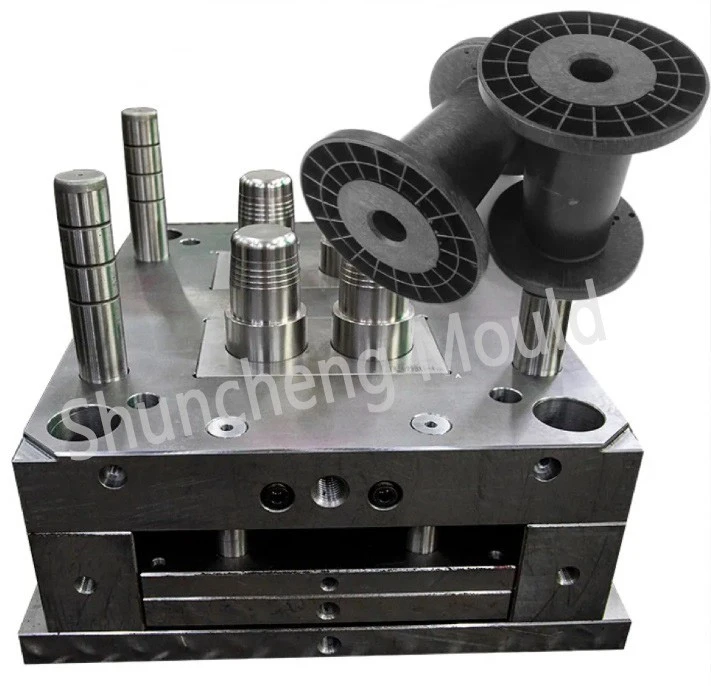
Recycled plastics have similar melting and flow characteristics to virgin plastics in many cases. For instance, polyethylene terephthalate (PET) recycled from plastic bottles can be melted and injected into a Cable Spool Plastic Injection Mold just like virgin PET. However, it's important to note that the quality and consistency of recycled plastics can vary significantly. This variability stems from differences in the source materials, the recycling process, and the degree of contamination.
Advantages of Using Recycled Plastics in Plastic Spool Moulds
Environmental Benefits
One of the most significant advantages of using recycled plastics in plastic spool moulds is the positive impact on the environment. By choosing recycled plastics, manufacturers can reduce the demand for virgin plastic production. The production of virgin plastics is energy - intensive and often involves the extraction of non - renewable resources. Recycling plastics helps to conserve these resources and reduce greenhouse gas emissions. For example, recycling one ton of plastic can save up to 2,000 kilograms of petroleum, which is used in the production of virgin plastic.
Cost Savings
Another major advantage is cost savings. Recycled plastics are generally less expensive than virgin plastics. This cost difference can be substantial, especially for large - scale production. By using recycled plastics in Plastic Cone Bobbin Mould, manufacturers can lower their raw material costs, which in turn can increase their profit margins or allow them to offer more competitive prices in the market.
Meeting Sustainability Goals
In today's market, many companies are setting sustainability goals. Using recycled plastics in plastic spool production can help these companies meet their environmental targets. It also enhances their brand image as environmentally responsible businesses, which can be a significant selling point for customers who are increasingly conscious of environmental issues.
Challenges of Using Recycled Plastics in Plastic Spool Moulds
Quality Variability
As mentioned earlier, the quality of recycled plastics can vary widely. Contaminants such as dirt, paper, or other types of plastics can be present in the recycled material. These contaminants can cause defects in the final spool product, such as surface blemishes, weak spots, or inconsistent dimensions. To mitigate this issue, it's essential to source recycled plastics from reliable suppliers who have strict quality control measures in place.
Degradation of Properties
During the recycling process, the molecular structure of the plastic can be degraded. This can lead to a reduction in the mechanical properties of the plastic, such as strength, toughness, and heat resistance. For example, recycled polypropylene may have lower tensile strength compared to virgin polypropylene. When using recycled plastics in Cable Spool Mould, manufacturers need to carefully consider these property changes to ensure that the final spool meets the required specifications.
Compatibility with Moulds
Recycled plastics may have different flow properties compared to virgin plastics. This can affect the filling of the mould cavity during the injection moulding process. If the flow is too slow, the spool may have incomplete filling, resulting in voids or short - shots. On the other hand, if the flow is too fast, it can cause flash or other defects. Adjustments to the injection moulding parameters, such as temperature, pressure, and injection speed, may be necessary to achieve optimal results when using recycled plastics.
Best Practices for Using Recycled Plastics in Plastic Spool Moulds
Material Testing
Before using recycled plastics in production, it's crucial to conduct thorough material testing. This includes testing for mechanical properties, melt flow index, and the presence of contaminants. By understanding the properties of the recycled plastic, manufacturers can make informed decisions about whether it is suitable for use in their plastic spool moulds and what adjustments need to be made to the moulding process.
Supplier Selection
Choosing a reliable recycled plastic supplier is essential. Look for suppliers who have a good reputation for quality control and who can provide detailed information about the source and composition of their recycled plastics. A good supplier will also be able to work with you to ensure that the recycled plastic meets your specific requirements.
Process Optimization
As mentioned earlier, the injection moulding process may need to be optimized when using recycled plastics. This may involve adjusting the temperature of the barrel, the injection pressure, and the cooling time. Conducting trial runs with the recycled plastic can help to determine the optimal process parameters for producing high - quality plastic spools.
Conclusion
In conclusion, a plastic spool mould can be used for recycled plastics, but it comes with both advantages and challenges. The environmental and cost - saving benefits make it an attractive option for many manufacturers. However, the quality variability and property degradation of recycled plastics need to be carefully managed. By following best practices such as material testing, supplier selection, and process optimization, manufacturers can successfully use recycled plastics in their plastic spool moulds to produce high - quality products.
If you're interested in learning more about using recycled plastics with our plastic spool moulds or are looking to purchase high - quality plastic spool moulds for your production needs, we'd love to hear from you. Contact us to start a discussion about your specific requirements and how we can help you achieve your manufacturing goals.
References
- "Plastic Recycling: Challenges and Opportunities" by John Doe, Journal of Plastic Engineering, 2022
- "Injection Moulding of Recycled Plastics" by Jane Smith, Manufacturing Technology Review, 2023
- "Sustainable Plastics in Manufacturing" by David Brown, Environmental Manufacturing Journal, 2021