

When it comes to the production of plastic chairs, using a plastic chair mould is a common and efficient method. As a reputable plastic chair mould supplier, I understand the importance of safety precautions during the use of these moulds. In this blog post, I will share some essential safety measures that should be taken into account to ensure a smooth and secure production process.
1. Pre - operation Safety Checks
Before starting the operation of the plastic chair mould, a series of pre - operation safety checks are necessary. First of all, visually inspect the mould for any visible damages such as cracks, dents, or worn - out parts. A damaged mould can not only affect the quality of the plastic chairs but also pose a safety risk. For example, a crack in the mould may cause the molten plastic to leak out during the injection process, which can lead to burns or other injuries to the operators.
Check the alignment of the mould components. Misaligned mould parts can result in uneven distribution of pressure during the injection process, potentially causing the mould to break or malfunction. Ensure that all the bolts, screws, and other fasteners are properly tightened. Loose fasteners can cause the mould to shift during operation, leading to inaccurate chair production and possible safety hazards.
Inspect the cooling system of the mould. A properly functioning cooling system is crucial for the quality of the plastic chairs and the safety of the operation. If the cooling system is blocked or not working efficiently, it can cause overheating of the mould, which may lead to deformation of the mould and the plastic chairs, as well as an increased risk of fire.
2. Personal Protective Equipment (PPE)
Operators should always wear appropriate personal protective equipment when working with plastic chair moulds. Safety glasses are essential to protect the eyes from any flying debris, such as small plastic particles or metal shavings, that may be generated during the moulding process.
Heat - resistant gloves are necessary to protect the hands from the high - temperature molten plastic and the heated mould surfaces. The temperature of the molten plastic can reach several hundred degrees Celsius, and direct contact with it can cause severe burns.
Wearing a safety helmet is also recommended, especially in environments where there is a risk of falling objects or where the operator may bump into the mould or other equipment. Additionally, operators should wear protective clothing that covers the body to prevent any splashes of molten plastic from coming into contact with the skin.
3. Handling and Installation
Proper handling and installation of the plastic chair mould are critical for safety. When moving the mould, use appropriate lifting equipment such as cranes or forklifts. Make sure that the lifting equipment is in good working condition and that the operators are trained to use it safely.
During the installation process, follow the manufacturer's instructions carefully. Ensure that the mould is correctly positioned on the injection moulding machine. Incorrect installation can cause the mould to operate inefficiently or even damage the injection moulding machine.
When connecting the mould to the injection moulding machine, check the connections of the hydraulic lines, electrical cables, and cooling water pipes. Loose or incorrect connections can lead to leaks, electrical shorts, or other safety issues.
4. Operation Safety
During the operation of the plastic chair mould, operators should follow strict safety procedures. Keep a safe distance from the moving parts of the injection moulding machine and the mould. The closing and opening of the mould can cause serious injuries if fingers or other body parts are caught in between.
Do not attempt to adjust or repair the mould while the injection moulding machine is running. Stop the machine and wait for it to cool down before performing any maintenance or adjustment work. This can prevent accidental activation of the machine and reduce the risk of injury.
Monitor the operation of the mould continuously. Pay attention to any abnormal noises, vibrations, or changes in temperature. These may be signs of a problem with the mould or the injection moulding machine. If any abnormalities are detected, stop the operation immediately and investigate the cause.
5. Maintenance and Cleaning
Regular maintenance and cleaning of the plastic chair mould are essential for its safe and efficient operation. After each production cycle, clean the mould to remove any residual plastic, dirt, or debris. Use appropriate cleaning tools and solvents that are recommended by the mould manufacturer.
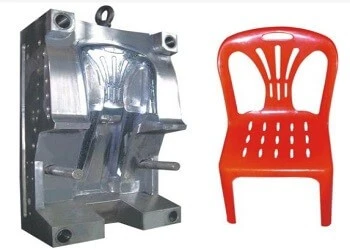
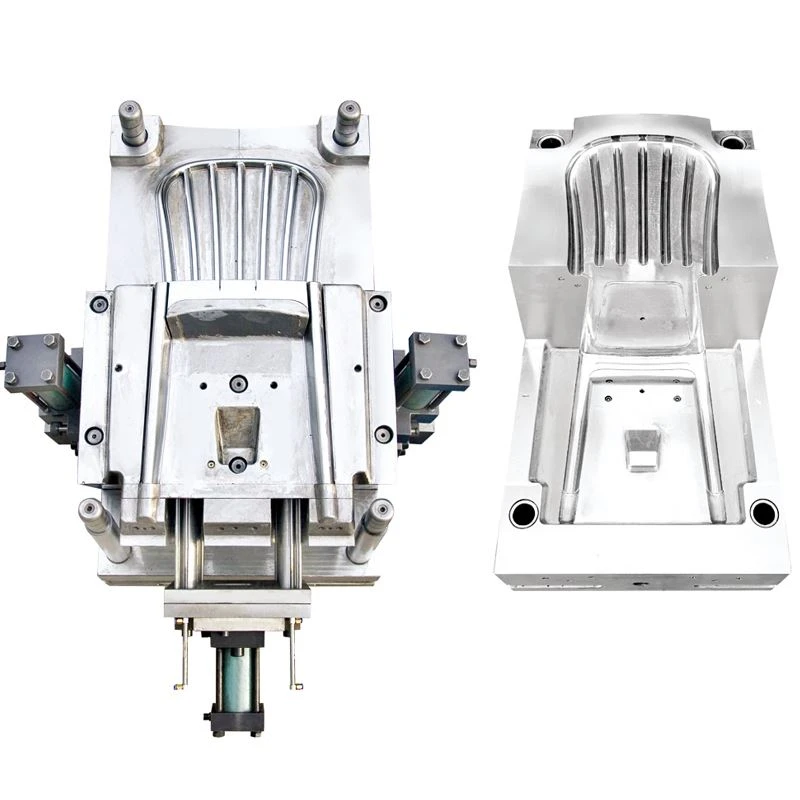
Inspect the mould regularly for wear and tear. Replace any worn - out parts promptly to ensure the quality of the plastic chairs and the safety of the operation. Lubricate the moving parts of the mould according to the manufacturer's instructions. Proper lubrication can reduce friction and prevent premature wear of the mould components.
6. Storage Safety
When the plastic chair mould is not in use, it should be stored properly. Store the mould in a dry and clean environment to prevent rust and corrosion. Cover the mould with a protective cover to prevent dust and other contaminants from accumulating on it.
Make sure that the storage area is well - organized and that the moulds are stacked or stored in a stable manner. This can prevent the moulds from falling or being damaged, which can pose a safety risk during handling and future use.
Different Types of Plastic Chair Moulds and Their Safety Considerations
We offer a variety of plastic chair moulds, including Chair Gas - assisted Injection Mold, Plastic Rattan Chair Mould, and Plastic Injection Chair Mould.
For gas - assisted injection moulds, special attention should be paid to the gas system. Ensure that the gas supply lines are properly connected and that there are no leaks. The gas used in the gas - assisted injection process is usually under high pressure, and a gas leak can be extremely dangerous.
Plastic rattan chair moulds often have more complex designs. When using these moulds, ensure that all the small details and cavities are properly cleaned and maintained. Any blockages in these areas can affect the quality of the plastic rattan chairs and may also cause additional stress on the mould, increasing the risk of damage.
Plastic injection chair moulds are widely used. The injection process involves high pressure and high - temperature molten plastic. Operators should be especially careful when handling the injection nozzles and the hot runner systems to prevent any contact with the molten plastic.
In conclusion, safety is of utmost importance when using plastic chair moulds. By following these safety precautions, operators can minimize the risk of accidents and ensure a high - quality production process. If you are interested in our plastic chair moulds or have any questions about their safe use, please feel free to contact us for further discussion and potential procurement.
References
- "Injection Moulding Handbook" by O. Osswald, T. Turng, and P. Gramann.
- Manufacturer's manuals for plastic chair moulds.
- Industry safety standards and guidelines for plastic injection moulding operations.