

Hey there! As a supplier of Plastic Chair Moulds, I often get asked if there are any industry standards for these moulds. Well, let's dive right in and explore this topic.
First off, it's important to understand that the plastic chair mould industry is a big deal. There are so many different types of plastic chairs out there, from simple outdoor chairs to high - end office chairs. And each type might require a different kind of mould.
General Design Standards
When it comes to the design of plastic chair moulds, there are some common standards. For example, the dimensional accuracy of the mould is crucial. The size of the chair that the mould will produce needs to be exact. If the dimensions are off, the chair might not fit properly in a space or might not be comfortable to sit on. A standard tolerance level for dimensional accuracy is usually within a few millimeters. This ensures that the chairs produced are consistent in size.
The surface finish of the mould also matters. A smooth surface finish on the mould will result in a smooth - looking plastic chair. Rough surfaces on the mould can cause blemishes or unevenness on the final product. There are specific roughness values that are considered acceptable in the industry, usually measured in micrometers.
Material Standards
The materials used to make plastic chair moulds are carefully selected. High - quality steel is often the go - to material. Steel offers good strength, durability, and heat resistance. For example, P20 steel is quite popular in the industry. It has good machinability, which means it can be easily shaped into the desired mould design.
Another important aspect is the hardness of the steel. The hardness of the mould material affects its wear resistance. A harder mould will last longer and can produce more chairs before it needs to be replaced or refurbished. There are standard hardness tests, like the Rockwell hardness test, which are used to measure the hardness of the steel used in the moulds.
Manufacturing Process Standards
The manufacturing process of plastic chair moulds is also subject to certain standards. Machining operations, such as milling and turning, need to be precise. The cutting tools used in these operations have specific parameters that need to be followed to ensure accurate shaping of the mould.
Heat treatment is another critical step. Proper heat treatment can improve the mechanical properties of the mould, like its hardness and toughness. There are standard heat - treatment procedures that involve heating the steel to a specific temperature and then cooling it at a controlled rate.
Quality Control Standards
Quality control is a major part of the plastic chair mould industry. Before a mould is shipped to a customer, it goes through a series of inspections. Visual inspections are done to check for any visible defects, like cracks or scratches on the mould surface.
Dimensional inspections are also carried out using precision measuring tools, such as calipers and coordinate measuring machines (CMMs). These tools can accurately measure the dimensions of the mould to ensure they meet the specified standards.
Functional tests are another important aspect. The mould is tested to make sure it can produce chairs with the right properties. For example, the chair should have the right strength and stability.
Types of Plastic Chair Moulds and Their Specific Standards
Let's take a look at some specific types of plastic chair moulds and their related standards.
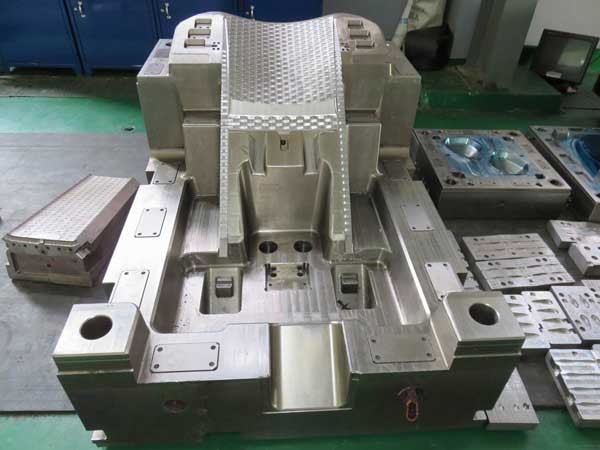
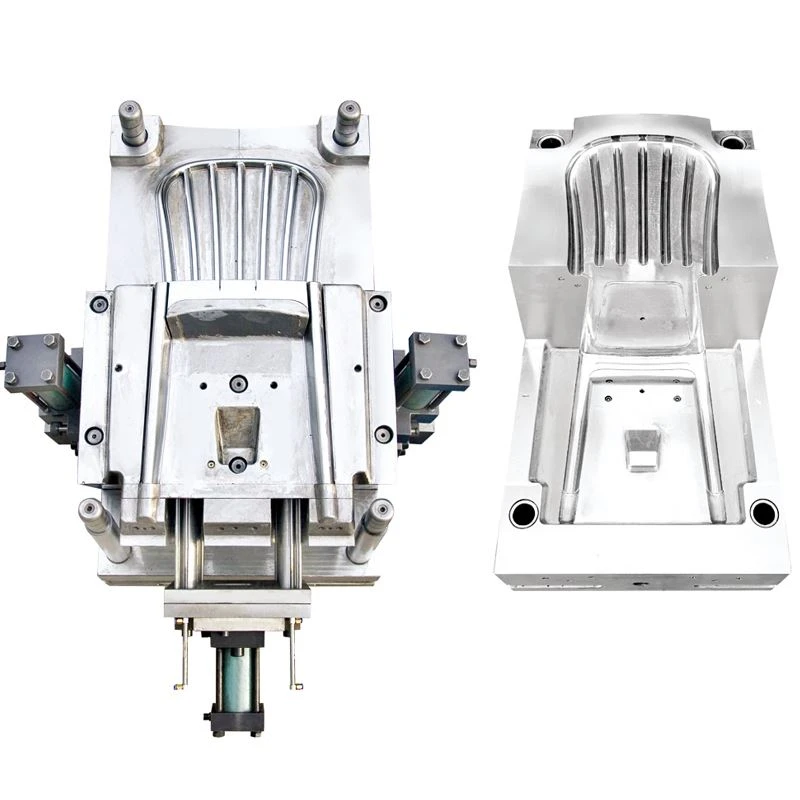
Plastic Transparent Chair Mould
Plastic Transparent Chair Mould has its own set of requirements. Since the chair is transparent, the mould needs to have an extremely smooth surface finish. Any imperfections on the mould will be visible on the final transparent chair. The clarity of the plastic used is also important, and the mould should be designed in a way that it doesn't cause any optical distortions in the chair.
Chair Gas - assisted Injection Mold
Chair Gas - assisted Injection Mold is a bit different. Gas - assisted injection molding is used to reduce the weight of the chair while maintaining its strength. The mould for this process needs to be designed to allow for the proper injection of gas. There are specific standards for the gas channels in the mould, including their size, shape, and placement.
Plastic Injection Chair Mould
Plastic Injection Chair Mould is the most common type. The injection process requires the mould to be able to withstand high pressures and temperatures. The gate design in the mould is crucial. The gate is the point where the molten plastic enters the mould cavity. There are standard gate sizes and shapes that are used to ensure proper filling of the mould cavity.
Industry Certifications
In the plastic chair mould industry, there are also various certifications that can indicate the quality of the moulds. For example, ISO 9001 certification is a widely recognized quality management system certification. Mould manufacturers who have this certification have to follow a set of quality management principles, which includes things like process control, customer satisfaction, and continuous improvement.
Why Industry Standards Matter
Industry standards are super important for both the mould suppliers and the customers. For suppliers like us, following these standards ensures that we can produce high - quality moulds consistently. It also helps us to compete in the market. Customers can have more confidence in the products they are buying when they know that the moulds meet industry standards.
Conclusion
So, to answer the question, yes, there are definitely industry standards for plastic chair moulds. These standards cover everything from design and material selection to manufacturing processes and quality control. Whether it's a Plastic Transparent Chair Mould, a Chair Gas - assisted Injection Mold, or a Plastic Injection Chair Mould, each type has its own specific requirements.
If you're in the market for high - quality plastic chair moulds that meet all the industry standards, don't hesitate to reach out. We're here to help you get the perfect mould for your plastic chair production needs. Whether you're a small - scale producer or a large - scale manufacturer, we've got the expertise and the products to serve you. Let's start a conversation and see how we can work together to make your plastic chair production a success!
References
- Plastic Mould Design Handbook
- Industry Reports on Plastic Chair Mould Manufacturing
- Technical Papers on Material Selection for Plastic Moulds