

The Difference Between Precision Injection Molding and Conventional Injection Molding
There are significant differences between precision injection molding and conventional injection molding, like the contrast between meticulously crafted works of art and everyday items, highlighting the diverse pursuits of plastic products in different fields.
In terms of precision requirements, precision injection molding is as demanding as precision instruments. Its dimensional accuracy requirements are even stricter, meeting the demanding requirements for precision components in fields such as electronics, medical, and aerospace. In contrast, conventional injection molding is more forgiving and suitable for everyday items with less stringent dimensional requirements.
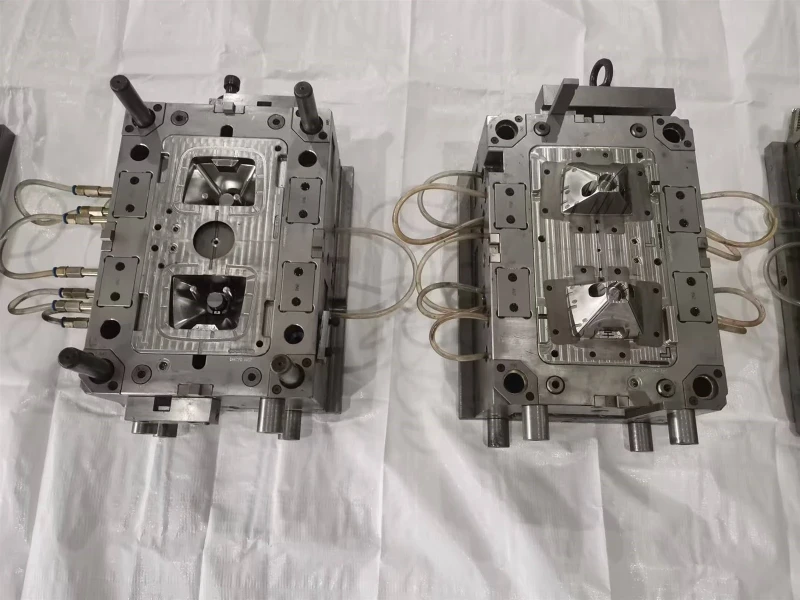
In terms of shape accuracy, precision injection molded products are as smooth as a mirror, with warping and deformation strictly controlled to ensure that the product shape closely matches the designed model. Conventional injection molded products, on the other hand, tolerate a certain degree of shape deviation as long as it does not affect assembly and functionality.
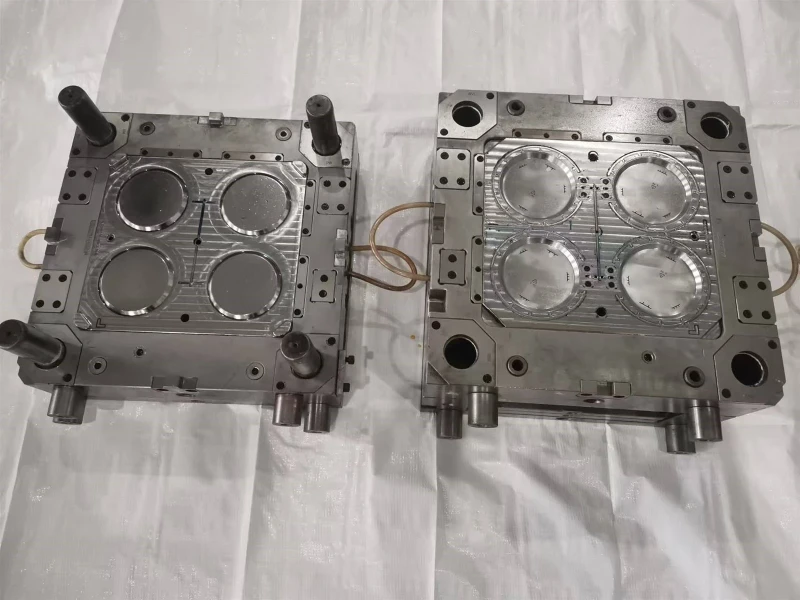
Furthermore, precision injection molding places extremely stringent demands on surface quality, requiring not only the elimination of surface defects but also generally requiring a high degree of surface roughness. This results in precision injection molded products exhibiting superior appearance and optical properties. For ordinary injection molded products, surface roughness requirements are relatively relaxed, as long as they are free of obvious defects such as bubbles and flow marks.
In summary, the difference in precision requirements between precision injection molding and ordinary injection molding is like the gap between high-end customization and mass production, each satisfying the diverse demands for plastic products in different fields.