

Hey there! I'm a supplier of Washing Machine Moulds, and today I'm gonna chat about the machinery needed to operate a washing machine mould.
First off, let's understand the basics. A washing machine mould is used to create various parts of a washing machine, like the rear drum, the seat, and the base. You can check out our Washing Machine Rear Drum Mould, Washing Machine Seat Mould, and Washing Machine Base Mould on our website.
Injection Molding Machine
The heart of the operation is the injection molding machine. This bad boy is responsible for melting the plastic resin and injecting it into the washing machine mould. There are different types of injection molding machines, but for washing machine moulds, we usually go for the hydraulic or electric ones.
Hydraulic injection molding machines are pretty common. They use hydraulic pressure to drive the injection process. They're powerful and can handle large - scale production. The hydraulic system allows for precise control of the injection speed and pressure, which is crucial when you're dealing with complex washing machine parts.
On the other hand, electric injection molding machines are becoming more popular. They're energy - efficient and offer even more precise control. They can adjust the injection parameters with high accuracy, resulting in better - quality parts. Plus, they're quieter and have less maintenance requirements compared to hydraulic machines.
Mould Temperature Controller
The temperature of the washing machine mould is super important. That's where the mould temperature controller comes in. It helps maintain a consistent temperature in the mould during the injection molding process.
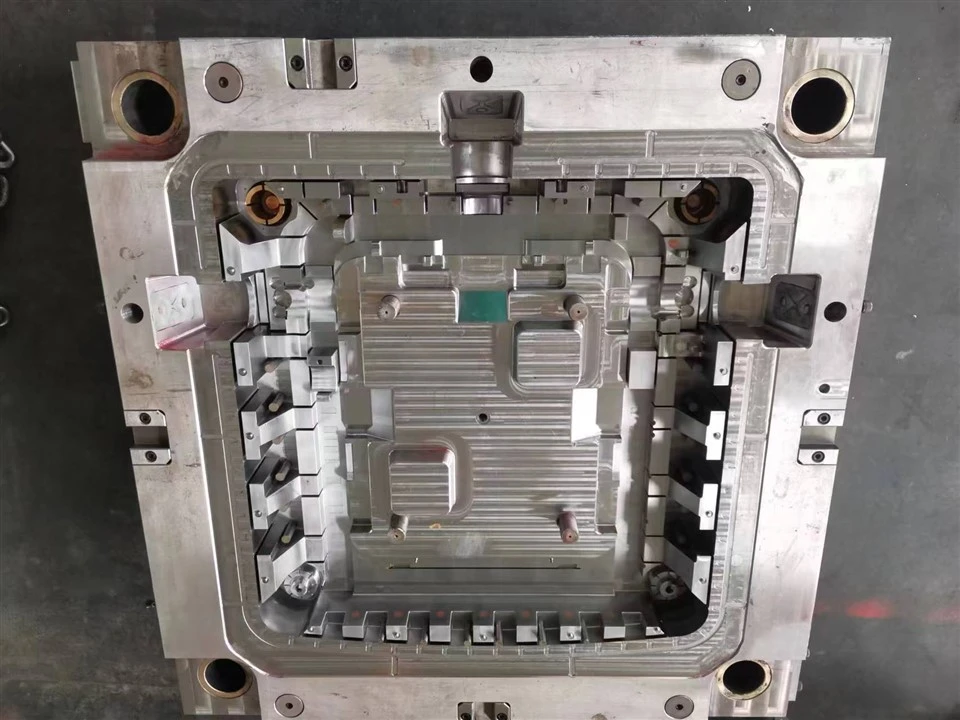
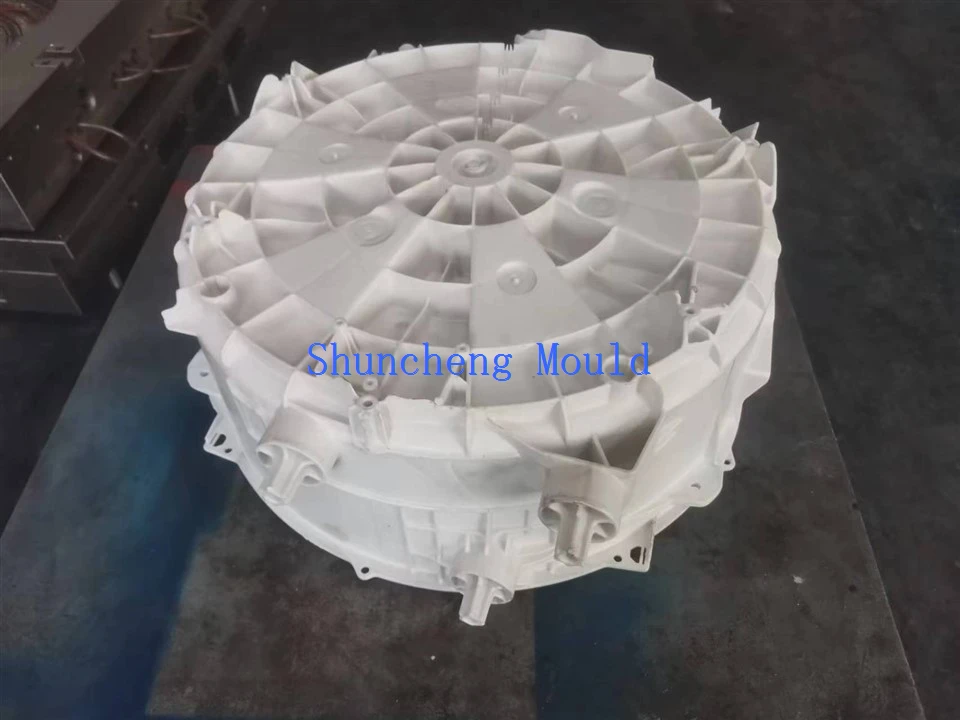
If the mould is too cold, the plastic may not flow properly into all the nooks and crannies of the mould, leading to incomplete parts. If it's too hot, the plastic may warp or have other defects. A good mould temperature controller can ensure that the plastic cools at the right rate, giving you high - quality, dimensionally accurate washing machine parts.
There are different ways to control the temperature, like using water or oil as a heat transfer medium. Water - based temperature controllers are cost - effective and easy to maintain. Oil - based ones, however, can handle higher temperatures, which may be required for some types of plastic resins used in washing machine parts.
Ejector System
Once the plastic has cooled and solidified in the washing machine mould, you need a way to get the part out. That's the job of the ejector system.
The ejector system usually consists of ejector pins or plates. When the mould opens, the ejector pins or plates push the finished part out of the mould. It has to be designed carefully to ensure that the part is ejected smoothly without causing any damage.
For complex washing machine parts, the ejector system may need to be more sophisticated. For example, some parts may have undercuts, and in that case, you may need a side - action ejector or a more elaborate ejection mechanism to get the part out safely.
Cooling System
After the plastic is injected into the washing machine mould, it needs to cool down and solidify. A proper cooling system is essential for this process.
One common cooling method is using cooling channels in the mould itself. These channels circulate a cooling medium, like water, around the mould to remove heat from the plastic. The design of the cooling channels is crucial. They need to be placed in the right locations to ensure uniform cooling. If the cooling is uneven, the part may warp or have internal stresses.
In some cases, you may also use external cooling devices, like fans or chillers, to speed up the cooling process. But be careful not to cool the part too quickly, as that can also cause problems like cracking.
Robot or Automation System
In modern washing machine mould operations, automation is becoming more and more important. A robot or an automation system can make the production process more efficient and consistent.
The robot can be used to load and unload the parts from the injection molding machine. It can also perform other tasks, like trimming excess plastic or inspecting the parts for defects. Automation reduces the need for manual labor, which not only saves time and money but also reduces the risk of human error.
For example, a robot can pick up the finished washing machine part from the mould and place it on a conveyor belt for further processing. It can do this repeatedly with high precision, ensuring that each part is handled in the same way.
Material Handling Equipment
You also need equipment to handle the plastic resin and other materials used in the washing machine mould operation. This includes hoppers, dryers, and conveyors.
Hoppers are used to store and feed the plastic resin into the injection molding machine. They need to be clean and free of contaminants to ensure the quality of the plastic parts.
Dryers are important because most plastic resins absorb moisture from the air. Moisture in the resin can cause defects in the parts, like bubbles or poor surface finish. A dryer can remove the moisture from the resin before it's fed into the injection molding machine.
Conveyors are used to move the plastic resin, finished parts, and other materials around the production area. They make the production process more streamlined and efficient.
Quality Inspection Equipment
To ensure that the washing machine parts produced from the mould meet the required standards, you need quality inspection equipment. This can include things like coordinate measuring machines (CMMs), optical inspection systems, and pressure sensors.
CMMs are used to measure the dimensions of the parts with high accuracy. They can detect any deviations from the design specifications, allowing you to make adjustments to the mould or the injection molding process.
Optical inspection systems use cameras and image - processing technology to check the surface quality of the parts. They can detect defects like scratches, cracks, or color variations.
Pressure sensors can be placed in the injection molding machine or the mould to monitor the pressure during the injection process. Abnormal pressure readings can indicate problems with the machine or the mould, allowing you to take corrective action before producing a batch of defective parts.
Conclusion
So, there you have it! These are the main types of machinery needed to operate a washing machine mould. Each piece of equipment plays a vital role in the production process, from melting the plastic to ejecting the finished part and ensuring its quality.
If you're in the market for high - quality washing machine moulds or have any questions about the machinery involved in the operation, don't hesitate to reach out. We're here to help you with all your washing machine mould needs. Whether you're a small - scale manufacturer or a large - scale production facility, we can provide you with the right solutions. Let's have a chat and see how we can work together to take your washing machine production to the next level.
References
- Throne, James L. "Plastics Process Engineering." Hanser Publishers, 2001.
- Rosato, Dominick V., et al. "Injection Molding Handbook." Hanser Gardner Publications, 2000.