

Yo! As a supplier of Washing Machine Moulds, I've seen firsthand how CAD/CAM technology has revolutionized the design process. In this blog, I'm gonna break down the role of CAD/CAM in washing machine mould design and why it's a game - changer.
Understanding CAD/CAM Basics
Let's start with the basics. CAD, or Computer - Aided Design, is like a super - powerful digital drawing board. It allows designers to create 2D and 3D models of washing machine moulds with extreme precision. Instead of using traditional drafting tools, which are time - consuming and prone to errors, CAD software gives us the ability to design complex shapes and geometries with just a few clicks.
CAM, on the other hand, stands for Computer - Aided Manufacturing. Once the design is complete in CAD, CAM takes over. It translates the digital design into instructions that can be understood by manufacturing machines. This means that the machines can produce the mould exactly as it was designed in the virtual world.
The Role of CAD in Washing Machine Mould Design
Precise Design
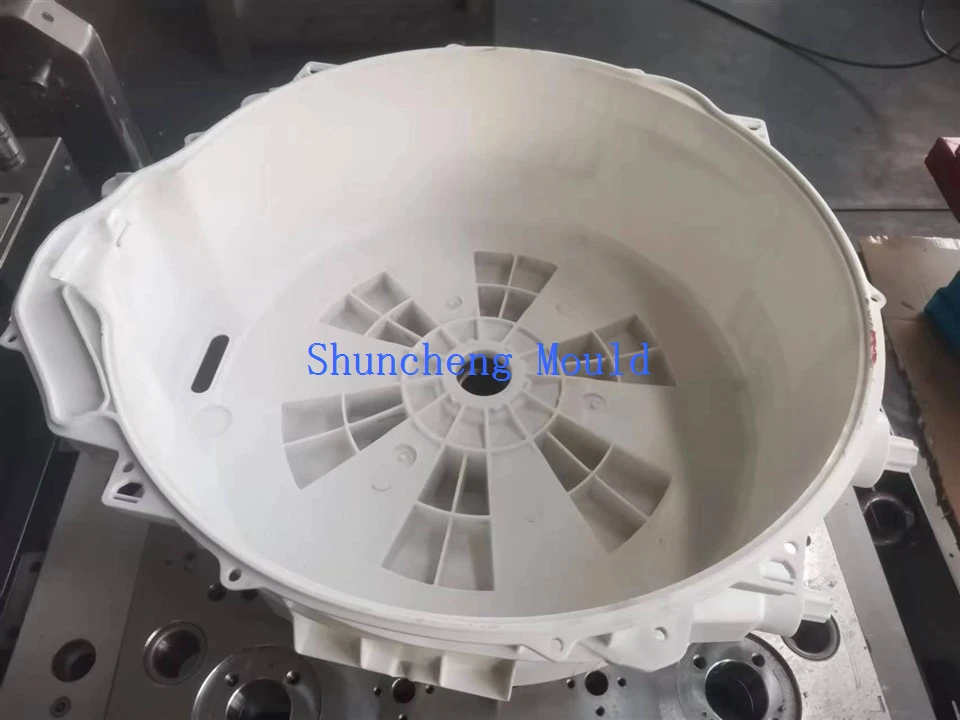
One of the biggest advantages of using CAD in washing machine mould design is the precision it offers. Washing machines come in all shapes and sizes, and their moulds need to be designed to fit specific requirements. For example, a Washing Machine Rear Drum Mould has to be designed with the right curvature and dimensions to ensure that the drum fits perfectly inside the washing machine. CAD software allows designers to specify these dimensions accurately, down to the smallest millimeter.
Visualization
CAD also provides excellent visualization capabilities. Designers can create 3D models of the mould and view it from different angles. This helps in identifying potential design flaws early in the process. For instance, they can check if there are any areas where the plastic might not flow properly during the injection molding process. By visualizing the mould in 3D, designers can make necessary adjustments before the manufacturing process begins, saving time and money.
Iterative Design
Another great thing about CAD is that it enables iterative design. Designers can easily make changes to the design based on feedback from the engineering team or the client. If the client wants a different shape for the Washing Machine Plastic Injection Mold, the designer can quickly modify the CAD model and generate a new set of design specifications. This flexibility is crucial in the fast - paced world of washing machine manufacturing.
The Role of CAM in Washing Machine Mould Design
Efficient Manufacturing
CAM plays a vital role in ensuring efficient manufacturing of washing machine moulds. Once the CAD design is finalized, CAM software generates the toolpaths for the manufacturing machines. These toolpaths tell the machines how to move and what operations to perform. For example, in a CNC (Computer Numerical Control) milling machine, the CAM - generated toolpaths will guide the cutting tool to shape the mould precisely according to the design. This results in a more efficient manufacturing process with less waste and higher quality.
Consistency
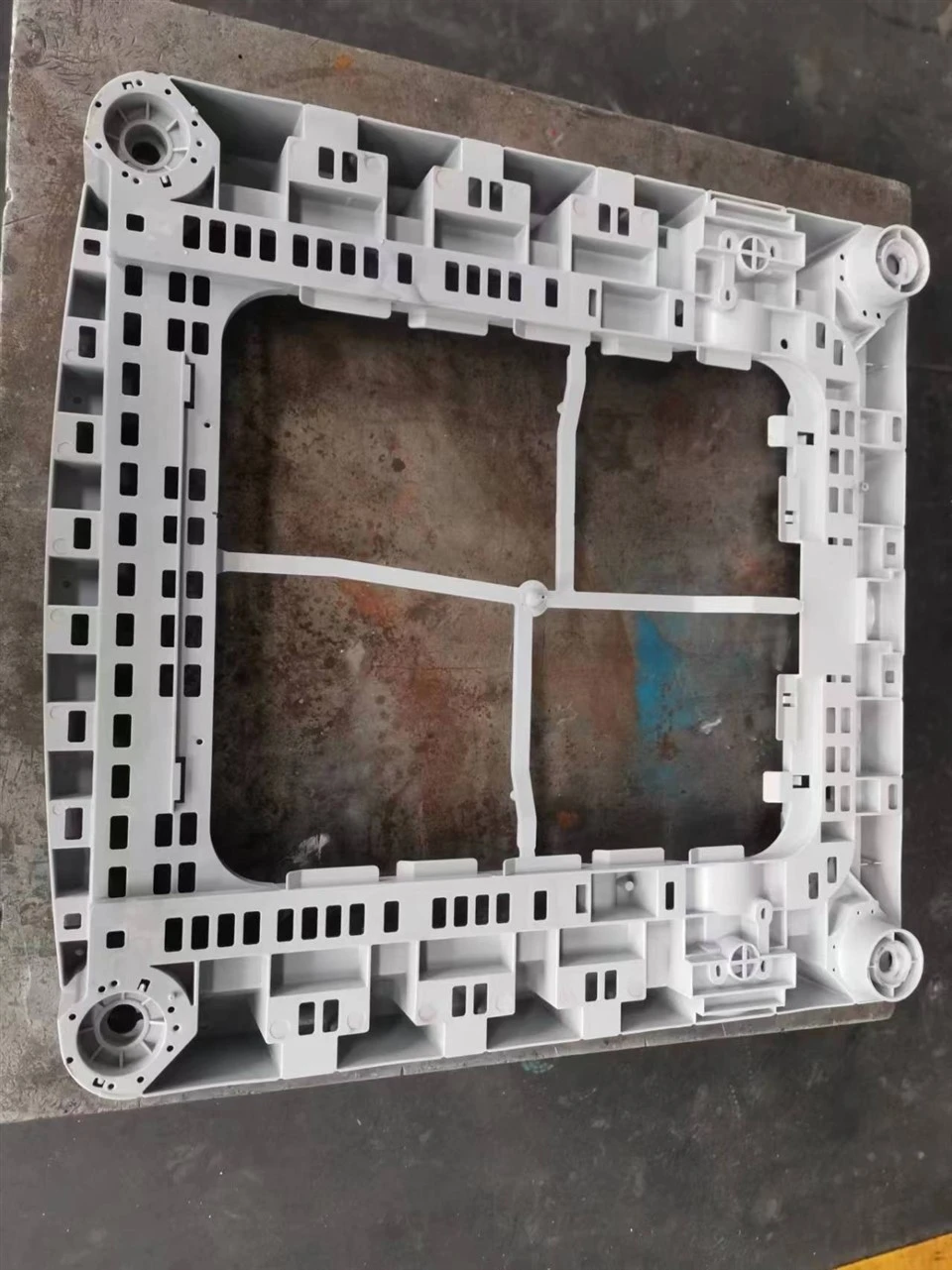
CAM also ensures consistency in the manufacturing process. Since the instructions are generated by the software, each mould produced will be identical to the design. This is especially important for washing machine moulds, as any variation in the mould can lead to defects in the final product. For example, a Washing Machine Base Mould needs to be consistent in its dimensions to ensure that the washing machine stands level and stable.
Automation
Automation is another key benefit of CAM. The manufacturing machines can operate continuously based on the CAM - generated instructions, reducing the need for manual intervention. This not only speeds up the production process but also reduces the risk of human error. The machines can work 24/7, allowing for faster turnaround times and higher production volumes.
CAD/CAM Integration
The real magic happens when CAD and CAM are integrated. The seamless transfer of data between the two systems ensures that the design intent is accurately translated into the manufacturing process. Designers can make changes in the CAD model, and these changes are automatically reflected in the CAM toolpaths. This integration streamlines the entire design - to - manufacturing process, making it more efficient and reliable.
Cost - Effectiveness
Using CAD/CAM in washing machine mould design is also cost - effective in the long run. Although the initial investment in CAD/CAM software and training can be significant, the benefits far outweigh the costs. By reducing design errors and improving manufacturing efficiency, CAD/CAM helps in saving money on materials, labor, and rework. For example, fewer defective moulds mean less waste and lower production costs.
Quality Assurance
CAD/CAM technology also plays a crucial role in quality assurance. The precise design and manufacturing processes ensure that the washing machine moulds meet the highest quality standards. Before the moulds are shipped to the client, they can be inspected using 3D scanning technology, which compares the physical mould with the CAD model. Any deviations can be detected and corrected, ensuring that the client receives a high - quality product.
Conclusion
In conclusion, CAD/CAM technology has become an indispensable part of washing machine mould design. It offers precision, visualization, efficiency, and cost - effectiveness. As a Washing Machine Mould supplier, I've seen how CAD/CAM has helped us improve our design and manufacturing processes, resulting in better products for our clients.
If you're in the market for high - quality washing machine moulds, I encourage you to reach out for a procurement discussion. We're here to provide you with the best solutions tailored to your specific needs.
References
- "Computer - Aided Design and Manufacturing" by David A. Dornfeld
- "Injection Molding Handbook" by Oussama K. Abdel - Wahab