

Hey there! As a supplier of Plastic Spool Mould, I've been getting a lot of questions lately about the requirements for plasticizing capacity when using these molds. So, I thought I'd share some insights on this topic.
First off, let's talk about what plasticizing capacity actually means. In simple terms, it's the amount of plastic that a molding machine can melt and prepare for injection into the mold within a given time frame. This capacity is crucial because it directly affects the production efficiency and quality of the plastic spools.
Factors Affecting Plasticizing Capacity Requirements
1. Spool Size and Design
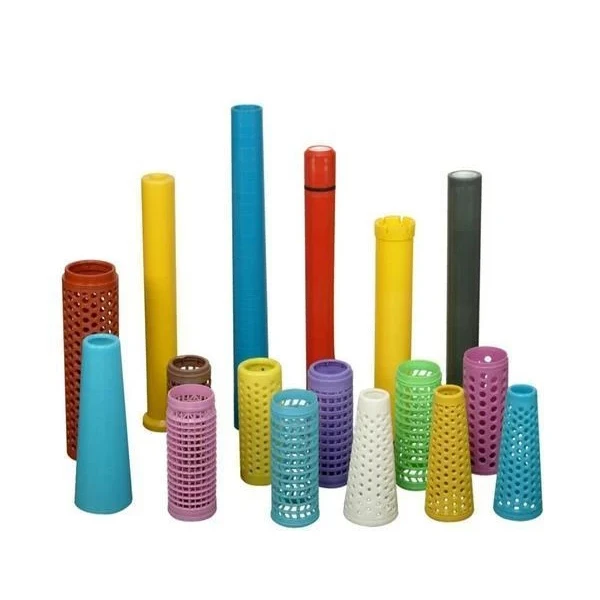
The size and design of the plastic spool play a significant role in determining the plasticizing capacity needed. Larger spools obviously require more plastic material to be injected into the mold. For example, if you're manufacturing big - sized spools used in heavy - duty industrial applications, you'll need a molding machine with a higher plasticizing capacity.
On the other hand, the design complexity also matters. Spools with intricate details, such as fine ribs, deep cavities, or multiple undercuts, may need a more precise and consistent plastic flow. This often means that the plasticizing system has to work more efficiently to ensure that the molten plastic can fill all parts of the mold evenly.
2. Production Volume
Your production volume goals are another key factor. If you're aiming for high - volume production, say thousands of spools per day, you'll need a molding machine with a high plasticizing capacity. This is because you need to melt and inject plastic quickly and continuously to keep up with the demand.
For instance, if you're running a 24/7 production line, a machine with a slow plasticizing capacity will become a bottleneck. It'll slow down the entire production process, leading to longer cycle times and lower overall output.
3. Plastic Material Properties
Different plastic materials have different melting characteristics. Some plastics, like polyethylene, have a relatively low melting point and are easier to plasticize. These materials may not require a very high - powered plasticizing system.
However, engineering plastics such as polycarbonate or PEEK have higher melting points and more complex molecular structures. They need a more robust plasticizing capacity to ensure complete melting and proper flow within the mold. If the plasticizing capacity is insufficient for these materials, you may end up with issues like incomplete filling of the mold, poor surface finish, or even structural defects in the spools.
Meeting the Plasticizing Capacity Requirements
1. Choosing the Right Molding Machine
When it comes to meeting the plasticizing capacity requirements, choosing the right molding machine is crucial. You need to consider the specifications of the machine carefully. Look at the maximum plasticizing rate, which is usually measured in grams per second or kilograms per hour.
Make sure that the machine's plasticizing capacity matches your production needs based on the factors we discussed earlier. For example, if you're producing small - sized spools in low volumes, a machine with a lower plasticizing capacity may be sufficient. But for large - scale production of big spools, you'll need a heavy - duty machine with a high plasticizing rate.
2. Optimizing the Plasticizing Process
Even if you have a machine with the right plasticizing capacity, optimizing the process is still important. This includes adjusting the temperature settings, screw speed, and back pressure.
The temperature settings should be carefully calibrated according to the plastic material you're using. If the temperature is too low, the plastic may not melt completely, while if it's too high, it can cause degradation of the material.
The screw speed affects how fast the plastic is conveyed and melted. A higher screw speed can increase the plasticizing rate, but it also needs to be balanced to avoid issues like excessive shear heating.
Back pressure helps to ensure better mixing and homogenization of the molten plastic. By adjusting these parameters, you can make the most of the machine's plasticizing capacity and improve the quality of the spool production.
Our Plastic Spool Mould Offerings
At our company, we offer a wide range of Plastic Spool Moulds to meet different customer needs. We have Plastic Bobbin Coil Mold, which are designed for applications where precise coil winding is required. These molds are made with high - quality materials and advanced manufacturing techniques to ensure long - term durability and excellent performance.
Our Plastic Cone Bobbin Mould are ideal for industries that need spools with a conical shape. They are engineered to provide smooth and consistent plastic flow during the molding process, which is essential for achieving the desired shape and quality of the spools.
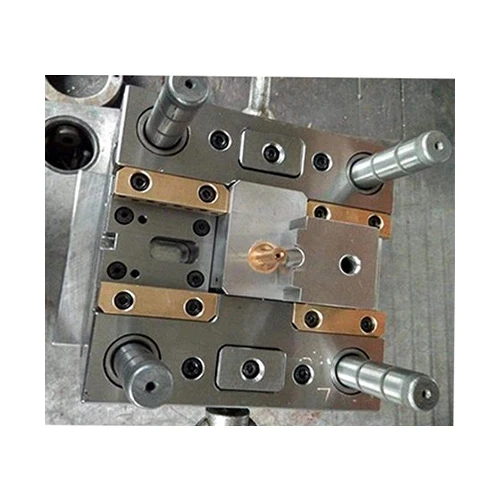
And if you're looking for a more advanced solution, our Injection Plastic Spool Bobbin Mould are the way to go. These molds are designed for high - precision injection molding, allowing for the production of spools with tight tolerances and excellent surface finish.
Why Contact Us for Your Plastic Spool Mould Needs
If you're in the market for Plastic Spool Moulds, we're here to help. Our team of experts has years of experience in the industry and can provide you with professional advice on choosing the right mold and ensuring that it meets your plasticizing capacity requirements.
We understand that every customer has unique needs, and we're committed to providing customized solutions. Whether you're a small - scale manufacturer or a large industrial enterprise, we can work with you to develop the perfect mold for your spool production.
So, if you're interested in our products or have any questions about plasticizing capacity requirements or our Plastic Spool Moulds, don't hesitate to contact us. We're looking forward to starting a great business relationship with you and helping you achieve your production goals.
References
- "Plastic Injection Molding Handbook" by Ossenbruggen, Bastian
- "Molding of Plastics and Composites" by Rosato, Dominick V.