

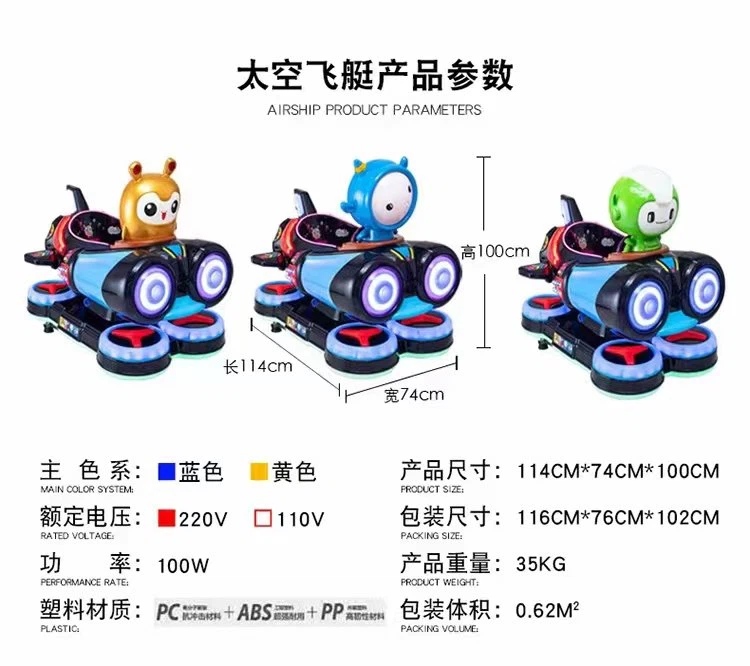
As a supplier of Airship Products, understanding the insurance requirements for these unique items is crucial for both us and our customers. In this blog, we'll delve into the various aspects of insurance coverage for airship products, discussing why it's necessary, what types of insurance are typically involved, and how these requirements can impact the business.
Why Insurance is Necessary for Airship Products
Airship products, like Airship Product, are complex and often involve advanced technology. They are used in various settings, from recreational to commercial, which exposes them to a wide range of risks. Insurance serves as a financial safety net, protecting the manufacturer, distributor, and end - user from potential losses due to accidents, damages, or liabilities.
Protection Against Product Liability
One of the most significant risks associated with airship products is product liability. If a defect in an airship causes injury or property damage, the manufacturer can be held legally responsible. Product liability insurance covers the costs associated with legal defense, settlements, and judgments. For example, if an airship component fails during flight and causes harm to passengers or third parties, the manufacturer could face substantial financial losses without proper insurance coverage.
Coverage for Physical Damage
Airships are subject to physical damage from various sources, such as collisions, weather events, or mechanical failures. Property insurance can provide coverage for the repair or replacement of damaged airships. This is especially important for suppliers, as it ensures that they can continue to meet customer demand even in the face of unexpected damage to their inventory.
Business Interruption Insurance
In the event of a significant incident that disrupts the production or distribution of airship products, business interruption insurance can be invaluable. This type of insurance compensates the business for lost income and ongoing expenses during the period of interruption. For instance, if a fire at the manufacturing facility halts production, business interruption insurance can help cover the costs of rent, salaries, and other fixed expenses until operations resume.
Types of Insurance for Airship Products
Product Liability Insurance
As mentioned earlier, product liability insurance is essential for airship product suppliers. It typically covers three types of liability: bodily injury, property damage, and personal and advertising injury. The policy limits and coverage terms can vary depending on the insurer and the specific risks associated with the airship product.
Property Insurance
Property insurance for airship products can cover the physical assets, including the airships themselves, manufacturing equipment, and inventory. It can provide protection against a wide range of perils, such as fire, theft, vandalism, and natural disasters. The insurance policy should be tailored to the specific needs of the supplier, taking into account the location of the business, the value of the assets, and the level of risk.
Aviation Insurance
Since airships are aircraft, aviation insurance is often required. This type of insurance can cover a variety of risks, including hull insurance (coverage for the physical structure of the airship), liability insurance for passengers and third parties, and war risk insurance. Aviation insurance policies are highly specialized and are designed to address the unique risks associated with aviation.
Cargo Insurance
If the airship is used to transport goods, cargo insurance is necessary. This insurance covers the loss or damage of the cargo during transit. It can provide protection against a range of perils, such as theft, damage due to rough handling, or loss due to weather conditions.

Insurance Requirements for Different Stakeholders
Manufacturers
Manufacturers of airship products are typically required to carry comprehensive insurance coverage. This includes product liability insurance, property insurance, and often aviation insurance if the airship is intended for flight. The insurance requirements may be specified in contracts with suppliers, distributors, and customers. For example, a distributor may require the manufacturer to maintain a certain level of product liability insurance as a condition of the contract.
Distributors
Distributors also need to consider insurance coverage for the airship products they handle. They may be held liable for any defects or damages that occur during the distribution process. Product liability insurance and cargo insurance are important for distributors to protect themselves from potential losses.
End - Users
End - users of airship products, such as airlines or private operators, need to have appropriate insurance coverage. This may include aviation insurance, liability insurance, and cargo insurance if the airship is used for commercial purposes. The insurance requirements for end - users can vary depending on the type of operation and the regulatory environment.
How Insurance Requirements Impact the Business
Cost
Insurance premiums can be a significant expense for airship product suppliers. The cost of insurance depends on various factors, including the type of coverage, the level of risk associated with the product, and the claims history of the business. Higher - risk products, such as airships with advanced technology or those used in high - traffic areas, may have higher insurance premiums.
Marketability
Meeting insurance requirements can enhance the marketability of airship products. Customers are more likely to purchase products from suppliers who have adequate insurance coverage, as it provides them with a sense of security. Additionally, some customers, especially large corporations or government agencies, may require suppliers to meet specific insurance standards as a condition of doing business.
Regulatory Compliance
In many cases, insurance is a regulatory requirement for airship products. For example, aviation authorities may require operators to carry a certain level of liability insurance to ensure the safety of passengers and third parties. Suppliers need to ensure that their products and operations comply with these regulatory requirements to avoid fines and legal issues.
Conclusion
In conclusion, insurance requirements for airship products are an important aspect of the business. As a supplier of Airship Product, we understand the need to have comprehensive insurance coverage to protect ourselves and our customers. By meeting the insurance requirements, we can ensure the financial stability of our business, enhance the marketability of our products, and comply with regulatory standards.
If you are interested in our airship products and would like to discuss procurement, we are more than happy to engage in further conversations. We can provide detailed information about our products and how they meet the necessary insurance requirements.
References
- Insurance Information Institute. (2023). Product Liability Insurance.
- Aviation Insurance Association. (2023). Guide to Aviation Insurance.
- Cargo Insurance Providers. (2023). Understanding Cargo Insurance for Airship Transportation.