

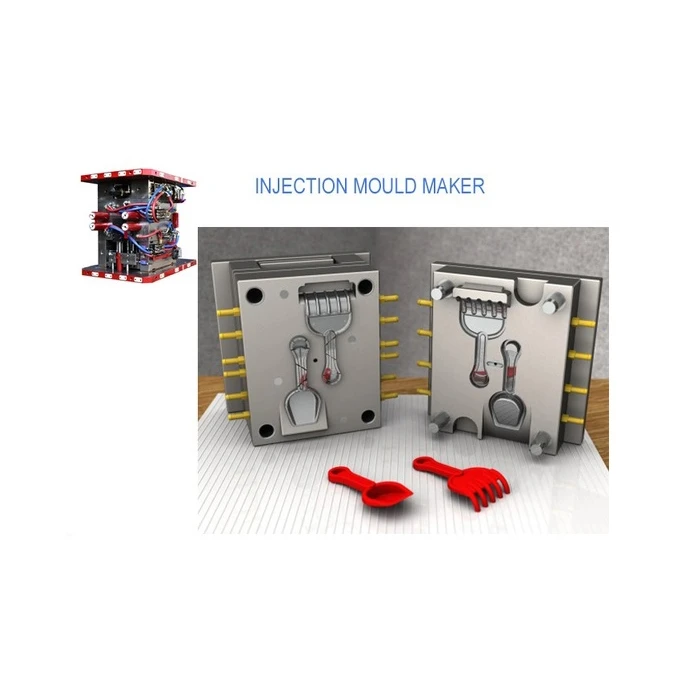
As a supplier of Plastic Toy Mould, I've witnessed firsthand the widespread use and popularity of plastic toy moulds in the toy manufacturing industry. However, like any product or technology, plastic toy moulds come with their own set of disadvantages. In this blog post, I'll delve into some of the key drawbacks associated with plastic toy moulds, shedding light on aspects that both manufacturers and consumers should be aware of.
High Initial Investment
One of the most significant disadvantages of plastic toy moulds is the high initial investment required. Designing and manufacturing a high - quality plastic toy mould is a complex and costly process. It involves advanced engineering, precision machining, and the use of high - grade materials. For small and medium - sized toy manufacturers, the cost of developing a new mould can be a major barrier to entry.
The cost of a plastic toy mould can range from a few thousand dollars to tens of thousands of dollars, depending on the complexity of the toy design, the size of the mould, and the materials used. This high upfront cost not only strains the financial resources of manufacturers but also increases the risk associated with new product development. If a particular toy design fails to gain market acceptance, the manufacturer is left with a costly and useless mould.
Long Lead Times
Another drawback of plastic toy moulds is the long lead times involved in their production. The process of creating a plastic toy mould typically includes several stages, such as design, prototyping, tooling, and testing. Each stage requires careful planning and execution, and any delays at one stage can have a cascading effect on the overall production timeline.
On average, it can take anywhere from several weeks to several months to develop a new plastic toy mould. This long lead time can be a significant problem for toy manufacturers, especially when they need to respond quickly to changing market trends or seasonal demands. For example, if a new toy trend emerges during the holiday season, a manufacturer with a long - lead - time mould production process may miss out on the opportunity to capitalize on the trend.
Limited Design Flexibility
Once a plastic toy mould is created, it offers limited design flexibility. The shape, size, and features of the toy are largely determined by the design of the mould. Any changes to the toy design after the mould has been manufactured can be extremely difficult and costly.
Modifying a plastic toy mould often requires significant re - engineering and machining, which can be time - consuming and expensive. In some cases, it may even be more cost - effective to create a completely new mould. This lack of design flexibility can be a major limitation for toy manufacturers who want to introduce product variations or make improvements to their existing toy designs. For instance, if a manufacturer wants to add a new feature to an existing toy, they may find it challenging to do so without incurring substantial costs.
Environmental Impact
Plastic toy moulds are primarily made from plastic materials, which have a significant environmental impact. The production of plastic involves the extraction of fossil fuels, which are non - renewable resources. Additionally, the manufacturing process of plastic releases large amounts of greenhouse gases, contributing to climate change.
Once the plastic toys are produced using these moulds, they also pose an environmental threat. Plastic toys are often discarded after a short period of use, and they can take hundreds of years to decompose in landfills. Moreover, many plastic toys contain harmful chemicals, such as phthalates and lead, which can leach into the environment and pose a risk to human health and wildlife.
Quality Control Challenges
Ensuring the quality of plastic toys produced using plastic toy moulds can be a challenging task. There are several factors that can affect the quality of the final product, such as the quality of the plastic material, the temperature and pressure during the injection - molding process, and the wear and tear of the mould over time.
Even minor variations in these factors can result in defects in the plastic toys, such as warping, cracking, or uneven surfaces. Detecting and correcting these defects can be time - consuming and expensive. Moreover, if defective toys are released into the market, they can damage the reputation of the toy manufacturer and lead to potential legal liabilities.

High Maintenance Costs
Plastic toy moulds require regular maintenance to ensure their proper functioning and longevity. Over time, the moulds can wear out due to the high - pressure injection - molding process, which can lead to a decrease in the quality of the toys produced.
Maintenance tasks for plastic toy moulds include cleaning, lubrication, and inspection. These tasks need to be carried out on a regular basis to prevent the build - up of dirt, debris, and rust. In addition, any damaged or worn - out parts of the mould need to be replaced promptly. The cost of maintaining plastic toy moulds can add up over time, especially for manufacturers who have a large number of moulds in use.
Compatibility Issues
In the toy manufacturing industry, there are often requirements for toys to be compatible with other products or systems. For example, a Child Safety Seat Mold or a Baby Car Mold may need to be compatible with different types of vehicles or other safety equipment.
Plastic toy moulds may face compatibility issues, especially when it comes to integrating new technologies or features. If a new safety standard is introduced, the existing moulds may need to be modified or replaced to ensure compliance. This can be a costly and time - consuming process for toy manufacturers.
Despite these disadvantages, plastic toy moulds still play a crucial role in the toy manufacturing industry. They offer the ability to produce high - volume, consistent, and detailed plastic toys. However, it's important for toy manufacturers to be aware of these drawbacks and take appropriate measures to mitigate them.
If you're a toy manufacturer and are interested in learning more about our Plastic Toy Mould solutions or discussing how we can help you address some of these challenges, we invite you to contact us for a procurement discussion. We have a team of experts who can provide you with personalized advice and solutions based on your specific needs.
References
- "Plastic Toy Manufacturing: Processes and Technologies" by John Smith
- "Environmental Impact of Plastic Products" by Jane Doe
- "Toy Design and Development: Best Practices" by Mark Johnson