

As a seasoned bumper mould supplier, I've witnessed firsthand the complexities and challenges that come with manufacturing high - quality bumper products. Bumper moulds play a crucial role in the automotive industry, as they are responsible for shaping the bumpers that protect vehicles and enhance their aesthetic appeal. However, like any manufacturing process, there are common defects that can occur in bumper products made by a bumper mould. In this blog, I'll explore these defects, their causes, and potential solutions.
1. Surface Defects
Surface defects are perhaps the most visible and common issues in bumper products. These can significantly affect the overall appearance and quality of the bumper.
1.1 Sink Marks
Sink marks are depressions that appear on the surface of the bumper. They usually occur in areas where the plastic has a thicker cross - section. When the plastic cools and solidifies, the thicker sections cool more slowly than the thinner ones. As the material shrinks during cooling, the surface of the thicker section is pulled inward, creating a sink mark.
One of the main causes of sink marks is improper gating design. If the gate is too small or located in an inappropriate position, it can lead to uneven flow of the molten plastic, resulting in sink marks. Additionally, insufficient packing pressure during the injection molding process can also contribute to this defect. To address sink marks, we can optimize the gating system design and adjust the packing pressure and time. For more information on the injection molding process related to bumpers, you can visit Bumper Injection Mould.
1.2 Flow Lines
Flow lines are visible lines on the surface of the bumper that follow the flow path of the molten plastic. They are caused by the difference in the cooling rate of the plastic as it flows through the mould cavity. When the molten plastic comes into contact with the relatively cold mould wall, a thin layer of plastic solidifies quickly. As more plastic flows behind it, the interface between the solidified layer and the flowing plastic creates a visible line.
Poor melt temperature control is a major cause of flow lines. If the melt temperature is too low, the plastic may not flow smoothly, leading to flow lines. Inadequate mould temperature can also exacerbate this problem. To reduce flow lines, we need to ensure proper melt and mould temperature control. Maintaining a consistent temperature throughout the injection molding process can help the plastic flow more evenly and minimize the appearance of flow lines.
1.3 Weld Lines
Weld lines occur when two or more flow fronts of molten plastic meet and fuse together during the injection molding process. These lines are often weaker than the surrounding material and can be aesthetically unappealing. Weld lines are more likely to form in complex - shaped bumper moulds where the plastic has to flow around obstacles or through multiple gates.
The main cause of weld lines is insufficient melt temperature or pressure at the point where the flow fronts meet. To improve the situation, we can increase the melt temperature and injection pressure to ensure better fusion of the flow fronts. Additionally, modifying the gate location and number can also help reduce the occurrence of weld lines.
2. Dimensional Defects
Dimensional defects refer to the deviation of the actual dimensions of the bumper from the design specifications. These defects can affect the fit and functionality of the bumper on the vehicle.
2.1 Shrinkage
Shrinkage is a natural phenomenon that occurs when the plastic cools and solidifies. Different types of plastics have different shrinkage rates, and improper consideration of these rates during the mould design can lead to dimensional inaccuracies. If the shrinkage rate is not accurately predicted, the final bumper may be smaller than the intended size.
To address shrinkage issues, we need to conduct thorough material testing to determine the exact shrinkage rate of the plastic being used. Based on this data, we can adjust the dimensions of the mould cavity during the design phase. Additionally, controlling the cooling process can also help minimize shrinkage variations.
2.2 Warping
Warping is the distortion of the bumper from its intended shape. It is often caused by uneven cooling of the plastic. When different parts of the bumper cool at different rates, internal stresses are generated, which can cause the bumper to warp. Factors such as improper mould cooling channel design, non - uniform wall thickness, and rapid cooling can contribute to warping.
To prevent warping, we need to optimize the mould cooling system. Ensuring that the cooling channels are evenly distributed and that the coolant flow is consistent can help achieve uniform cooling. Additionally, adjusting the wall thickness of the bumper design can also reduce the likelihood of warping.
3. Structural Defects
Structural defects can compromise the strength and durability of the bumper, which is crucial for its safety function.
3.1 Void Formation
Voids are empty spaces or bubbles that form inside the bumper. They are usually caused by the entrapment of air or gas during the injection molding process. If the molten plastic does not completely fill the mould cavity or if there is improper venting, air can be trapped, resulting in voids.
To eliminate voids, we need to improve the venting system of the mould. Proper venting allows the air and gas to escape as the plastic fills the cavity. Additionally, adjusting the injection speed and pressure can also help ensure complete filling of the mould and reduce the risk of void formation.
3.2 Brittleness
Brittleness in bumper products can make them more prone to cracking and breaking. This defect can be caused by several factors, including improper material selection, over - drying of the plastic, or excessive shear stress during the injection molding process.
To address brittleness, we need to carefully select the appropriate plastic material based on the requirements of the bumper. Ensuring proper drying conditions for the plastic can also prevent over - drying, which can lead to brittleness. Additionally, optimizing the injection molding parameters to reduce shear stress can help improve the toughness of the bumper.
4. Cosmetic Defects
In addition to the above - mentioned defects, there are also some cosmetic defects that can affect the visual appeal of the bumper.
4.1 Color Variation
Color variation refers to the difference in color across the surface of the bumper. It can be caused by uneven mixing of the colorant with the plastic resin, improper temperature control during the injection molding process, or degradation of the colorant.
To achieve consistent color, we need to ensure thorough mixing of the colorant with the plastic. Using high - quality colorants and maintaining proper temperature and processing conditions can also help minimize color variation.
4.2 Surface Scratches
Surface scratches can occur during the handling, storage, or transportation of the bumper. These scratches can be unsightly and may also affect the paint adhesion if the bumper is to be painted.
To prevent surface scratches, we need to implement proper handling and storage procedures. Using protective packaging materials and ensuring a clean and scratch - free environment during transportation can help reduce the occurrence of scratches.
As a bumper mould supplier, we are committed to providing high - quality moulds that minimize these common defects. Our team of experts has extensive experience in mould design, manufacturing, and process optimization. We use advanced technologies and state - of - the - art equipment to ensure the precision and reliability of our bumper moulds.
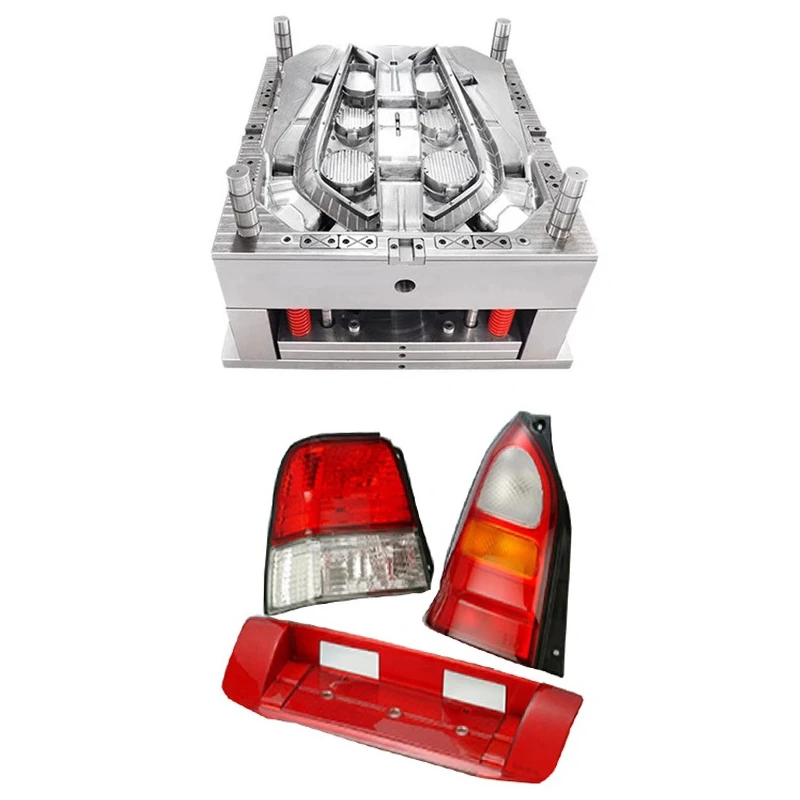
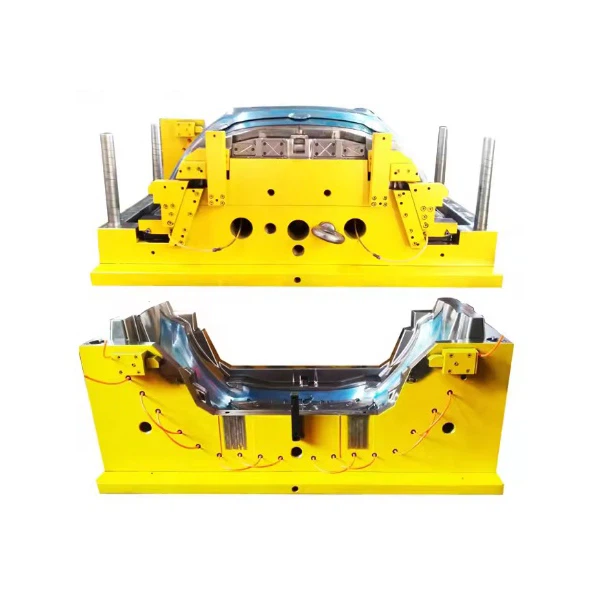
If you are in the market for a reliable bumper mould supplier, we invite you to contact us for a detailed discussion. We can work closely with you to understand your specific requirements and provide customized solutions. Whether you need a Front Bumper Mould or a Car Lamp Injection Mold, we have the expertise to meet your needs. Let's work together to create high - quality bumper products that meet the highest standards of the automotive industry.
References
- "Injection Molding Handbook" by O. Sabau
- "Plastics Materials and Processing" by James F. Carley