

Hey there! As a supplier of Front Grille Mould, I've been in the business long enough to encounter all sorts of issues. One problem that often crops up is the presence of air bubbles in the front grilles produced by our moulds. It's a headache for both us and our customers, so I thought I'd take some time to break down the possible causes.
1. Material - related Causes
First off, let's talk about the materials we use. The plastic resin we choose plays a huge role in the quality of the final product. If the resin has too much moisture, it can turn into steam during the injection - moulding process. This steam then forms air bubbles in the grille.
Most plastic resins are hygroscopic, which means they absorb moisture from the air. For example, polycarbonate (PC) and acrylonitrile butadiene styrene (ABS), two commonly used materials for front grilles, can absorb significant amounts of water if not properly stored. Before using these materials, we need to dry them thoroughly. Usually, we use a desiccant dryer to reduce the moisture content to an acceptable level. If we skip this step or don't do it right, those sneaky air bubbles will start to appear.
Another material - related issue is the presence of contaminants in the resin. Dust, dirt, or other foreign particles can get into the resin during storage or handling. When these contaminants are melted along with the resin in the injection - moulding machine, they can create small pockets of air, leading to bubbles in the grille. To prevent this, we need to make sure our storage facilities are clean and that we handle the resin with care.
2. Mould Design and Condition
The design of the mould itself can also cause air bubbles. If the runner system, which is the path through which the molten plastic flows into the mould cavity, is not designed correctly, it can trap air. For instance, if the runner is too small, the plastic may flow too quickly, creating turbulence. This turbulence can suck air into the plastic stream and form bubbles.
The gate, which is the opening through which the plastic enters the mould cavity, is another critical part of the mould design. If the gate is too small or poorly positioned, it can cause the plastic to shear as it enters the cavity. Shearing can generate heat, which may cause the plastic to degrade and release gases. These gases can then form air bubbles in the grille.
The condition of the mould is equally important. Over time, the mould can wear out, and its surfaces can become rough. A rough surface can cause the plastic to stick, creating air pockets. Also, if there are any cracks or gaps in the mould, air can leak into the cavity during the injection process, resulting in bubbles. Regular maintenance and inspection of the mould are essential to keep it in good condition.
3. Injection - Moulding Process Parameters
The injection - moulding process parameters have a direct impact on the formation of air bubbles. The injection speed is one of the key factors. If the injection speed is too high, the plastic can flow too fast, creating turbulence and sucking air into the melt. On the other hand, if the injection speed is too low, the plastic may cool down before filling the entire mould cavity, leaving behind air pockets.
The injection pressure also matters. Insufficient injection pressure may not be able to force the plastic to fill all the corners of the mould cavity, resulting in air bubbles. However, excessive pressure can cause the plastic to flow too forcefully, which can lead to turbulence and air entrapment.
The temperature of the mould and the plastic also plays a role. If the mould temperature is too low, the plastic may solidify too quickly, preventing proper filling and causing air bubbles. Conversely, if the plastic temperature is too high, it can degrade and release gases, which form bubbles.
4. Venting Issues
Proper venting is crucial in the injection - moulding process. The mould needs to have vents to allow the air inside the cavity to escape as the plastic fills it. If the vents are blocked or not designed properly, the air will be trapped inside the plastic, creating bubbles.
Sometimes, the vents can get clogged with plastic residue over time. Regular cleaning of the vents is necessary to ensure they function correctly. Also, the size and location of the vents are important. They should be large enough to allow the air to escape easily but small enough to prevent the plastic from leaking out.
Solutions and How to Move Forward
To solve these problems, we need to take a comprehensive approach. First, we need to pay close attention to the materials. Make sure they are properly dried and free from contaminants. For the mould design, we can work with experienced designers to optimize the runner system, gate, and venting. Regular maintenance of the mould is a must to keep it in top - notch condition.
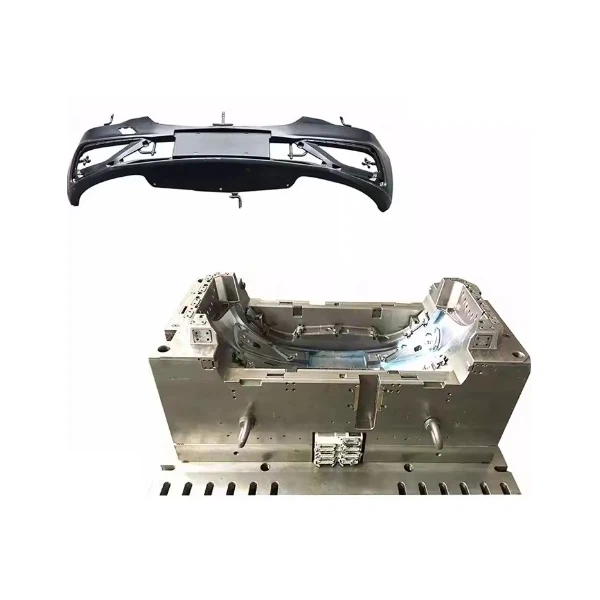

When it comes to the injection - moulding process, we need to fine - tune the parameters such as injection speed, pressure, and temperature. This may require some trial and error, but with careful monitoring and adjustment, we can minimize the formation of air bubbles.
If you're in the market for high - quality Front Grille Moulds, we've got you covered. We also offer Grille Cover Mould, Radiator Grille Mould, and Air Conditioner Grille Mold. If you have any questions or are interested in our products, don't hesitate to reach out for a purchase negotiation. We're here to help you get the best moulds for your needs.
References
- Throne, James L. "Plastics Process Engineering." Hanser Publishers, 1996.
- Rosato, Dominick V., and Donald V. Rosato. "Injection Molding Handbook." Kluwer Academic Publishers, 2000.