

As a supplier of Airship Products, I'm excited to delve into the fascinating world of air conditioning systems used in these unique flying vessels. Airships, with their distinct design and operational requirements, demand specialized air conditioning solutions to ensure a comfortable and functional environment for passengers and crew, as well as to protect sensitive equipment on board.
The Need for Air Conditioning in Airships
Airships operate in a wide range of environmental conditions, from hot and humid tropical regions to cold and dry polar areas. Maintaining a stable and comfortable internal temperature is crucial for several reasons. Firstly, for the well - being of passengers and crew. Extreme temperatures can cause discomfort, fatigue, and even health issues. Secondly, many of the electronic and mechanical systems on an airship are sensitive to temperature fluctuations. Overheating can lead to malfunctions, reduced efficiency, and potential damage to critical components.
Types of Air Conditioning Systems Used in Airships
Vapor Compression Systems
Vapor compression systems are the most common type of air conditioning systems used in many applications, including airships. These systems work on the principle of refrigeration. They consist of four main components: a compressor, a condenser, an expansion valve, and an evaporator.
The compressor compresses the refrigerant gas, raising its temperature and pressure. The high - pressure, high - temperature gas then flows to the condenser, where it releases heat to the outside environment and condenses into a liquid. The liquid refrigerant then passes through the expansion valve, which reduces its pressure and temperature. Finally, the low - pressure, low - temperature liquid enters the evaporator, where it absorbs heat from the air inside the airship, cooling it down. The refrigerant then returns to the compressor to start the cycle again.
One of the advantages of vapor compression systems is their high efficiency in cooling large spaces. However, they can be relatively heavy and require a significant amount of power to operate. This can be a challenge for airships, which have limited power resources and strict weight restrictions.
Absorption Refrigeration Systems
Absorption refrigeration systems offer an alternative to vapor compression systems. These systems use a heat source, such as waste heat from the airship's engines or solar energy, to drive the refrigeration cycle. Instead of a compressor, absorption systems use an absorber, a generator, a condenser, and an evaporator.
In an absorption system, the refrigerant (usually ammonia or water) is absorbed by a absorbent (such as lithium bromide). The absorbent - refrigerant solution is then heated in the generator, causing the refrigerant to vaporize. The refrigerant vapor then flows to the condenser, where it releases heat and condenses into a liquid. The liquid refrigerant then passes through the expansion valve and enters the evaporator, where it absorbs heat from the air inside the airship. The refrigerant vapor is then absorbed again by the absorbent, and the cycle repeats.
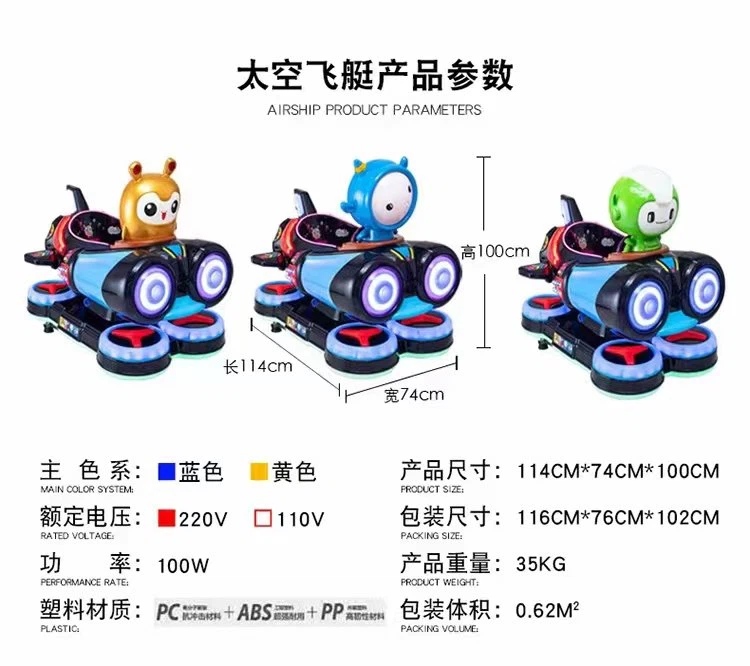
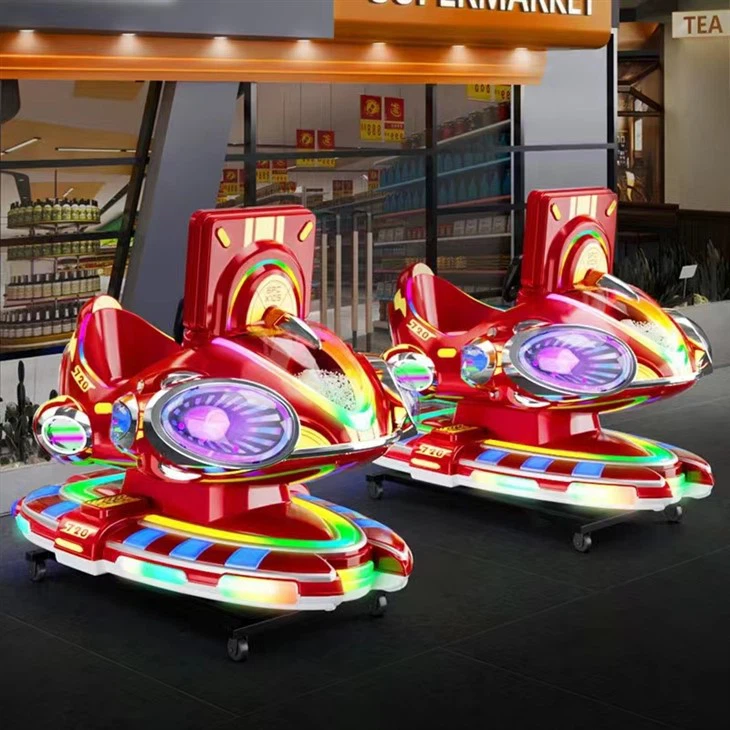
Absorption refrigeration systems have several advantages for airships. They are relatively quiet, have fewer moving parts, and can use waste heat as an energy source, which can improve the overall energy efficiency of the airship. However, they are generally less efficient than vapor compression systems and can be larger and heavier.
Air - Cycle Refrigeration Systems
Air - cycle refrigeration systems, also known as bootstrap air - cycle machines, are another option for airships. These systems work by compressing and expanding air to achieve cooling. The process starts with the intake of outside air, which is compressed by a compressor. The compressed air is then cooled in a heat exchanger using outside air or another cooling medium. The cooled, compressed air then passes through an expansion turbine, where it expands and cools further. The cold air is then distributed inside the airship to provide cooling.
Air - cycle refrigeration systems are lightweight and have a high power - to - weight ratio, which makes them suitable for airships. They are also relatively simple in design and have a fast response time. However, they are less efficient than vapor compression systems and can produce a relatively low cooling capacity.
Factors Affecting the Choice of Air Conditioning System
When selecting an air conditioning system for an airship, several factors need to be considered.
Weight and Space Constraints
Airships have limited payload capacity and internal space. Therefore, the weight and size of the air conditioning system are critical factors. Lightweight and compact systems are preferred to minimize the impact on the airship's performance and payload.
Power Consumption
Airships have limited power resources, so the power consumption of the air conditioning system is an important consideration. Systems that can operate efficiently with low power requirements are more suitable for airships.
Environmental Conditions
The operating environment of the airship, including temperature, humidity, and altitude, can affect the performance of the air conditioning system. For example, in high - altitude or cold environments, the system may need to be able to operate effectively with reduced outside air density and lower temperatures.
Cost
The cost of the air conditioning system, including the initial purchase cost, installation cost, and operating cost, is also a factor to consider. Suppliers need to balance the performance and cost of the system to provide a cost - effective solution for their customers.
Our Airship Products and Air Conditioning Solutions
At our company, we offer a range of Airship Product with customized air conditioning solutions. We understand the unique requirements of airships and work closely with our customers to select the most suitable air conditioning system for their specific needs.
For smaller airships or those with limited power resources, we may recommend air - cycle refrigeration systems or absorption refrigeration systems. These systems can provide adequate cooling while minimizing weight and power consumption. For larger airships or those that require high - capacity cooling, vapor compression systems may be a better choice.
We also offer innovative features in our air conditioning systems, such as energy - recovery mechanisms and intelligent control systems. These features can help to improve the energy efficiency of the system and provide a more comfortable and stable environment inside the airship.
In addition to our standard air conditioning solutions, we also offer customization services. We can modify the design and configuration of the air conditioning system to fit the specific layout and requirements of the airship. Whether it's a small passenger airship or a large cargo airship, we have the expertise and experience to provide a reliable and efficient air conditioning solution.
Comparison with Other Products in the Market
When comparing our airship products and air conditioning solutions with other products in the market, we believe that our strengths lie in our focus on customization, energy efficiency, and reliability.
Many other suppliers offer off - the - shelf air conditioning systems that may not be fully optimized for airships. Our team of engineers and technicians work closely with customers to understand their unique needs and develop customized solutions. This ensures that the air conditioning system is perfectly matched to the airship's design and operating conditions.
In terms of energy efficiency, our use of advanced technologies such as waste - heat recovery and intelligent control systems allows our air conditioning systems to operate more efficiently than many competing products. This can result in significant cost savings for our customers over the long term.
Reliability is also a key factor in the airship industry. Our air conditioning systems are built to withstand the harsh operating conditions of airships, including vibrations, temperature fluctuations, and high altitudes. We use high - quality components and rigorous testing procedures to ensure that our systems are reliable and durable.
Conclusion
In conclusion, the choice of air conditioning system for an airship depends on a variety of factors, including weight, power consumption, environmental conditions, and cost. Vapor compression systems, absorption refrigeration systems, and air - cycle refrigeration systems all have their own advantages and disadvantages for airships. As a supplier of Airship Product, we are committed to providing our customers with the best air conditioning solutions for their specific needs.
If you are interested in our airship products or have any questions about our air conditioning systems, please feel free to contact us for a consultation. We look forward to working with you to develop the perfect airship solution for your requirements. Whether you are in the market for a Galaxy Fighter - inspired airship or a more traditional Rocking Car - like design, we have the expertise to meet your needs.
References
- "Aircraft Environmental Control Systems" by Reginald W. Bailey
- "Refrigeration and Air Conditioning Technology" by Eugene Silberstein
- "Airship Design and Technology" by Jack A. Boucher